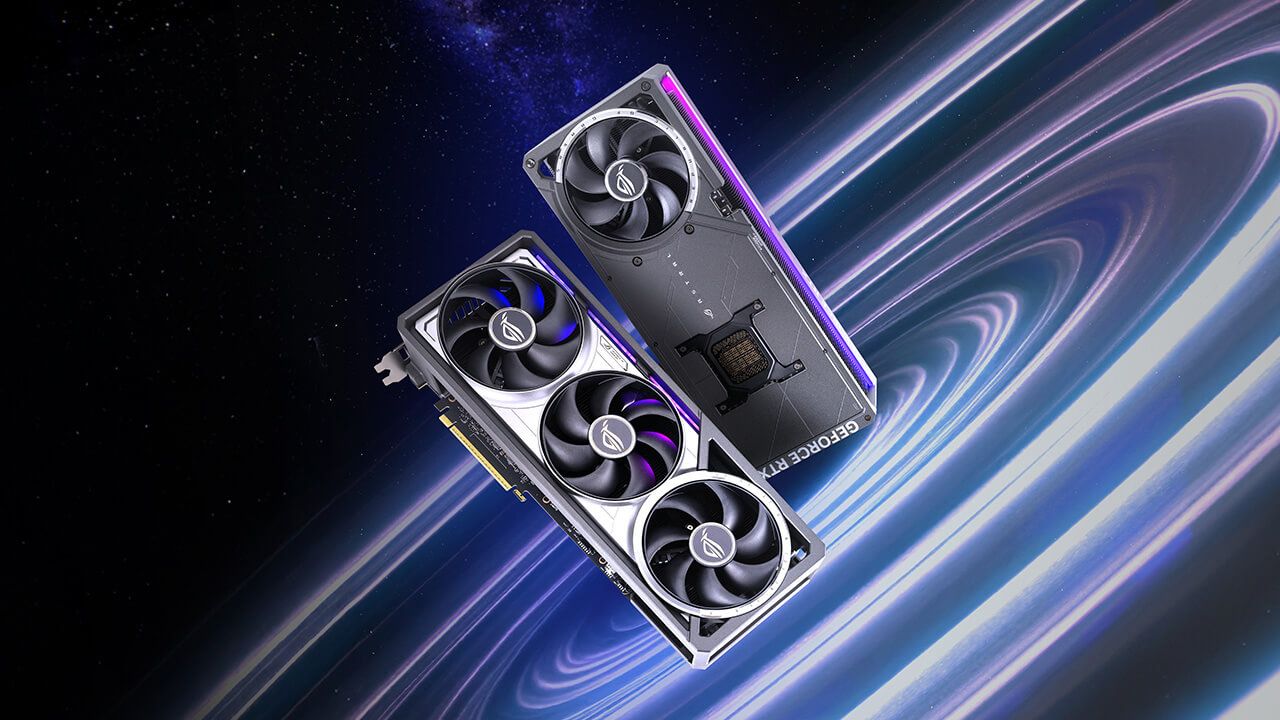
A leak claims Nvidia has ended its OPP rebate program that incentivized AIB partners to sell some GPUs at MSRP, a move attributed to rising GDDR memory prices and tight supply. Industry reports also indicate Nvidia is prioritizing higher-priced RTX 5080 production over the RTX 5070 Ti (despite Asus denying EOL claims), suggesting allocation toward more profitable SKUs and tighter consumer availability. The combination of memory-driven cost pressure and reallocation could push retail GPU prices higher, squeeze certain AIBs' volumes, and shift GDDR7 toward higher-margin gaming and AI-focused products, with implications for margins and inventory dynamics across GPU suppliers and memory vendors.
Market structure: Ending Nvidia’s OPP likely shifts grossing power back to Nvidia/AIBs and away from channel-level pricing discipline — expect higher ASPs for top-end RTX 5080/5090 SKUs and compressed mid-tier supply. Winners: NVDA (higher realized ASPs, margin support), TSM (higher wafer demand/ASP), cloud providers (GOOGL/AMZN benefit from tighter retail GPU channels). Losers: AIBs/retailers, price-sensitive gamers, AMD’s consumer GPU share if constrained by memory allocation.
Risk assessment: Immediate (days) risk is sharp SKU-level repricing and Amazon/retail listings moving +5–20% on affected models; short-term (weeks–months) risk is memory-price volatility — a >15% fall in GDDR7 spot would quickly reprice expectations, while a sustained >20% rise would push unit demand into cloud. Tail risks: regulatory scrutiny on channel rebates, an unexpected memory fab ramp (Samsung/Hynix) or a material Nvidia guidance change; watch Micron/TSMC earnings and Nvidia commentary in the next 30–90 days.
Trade implications: Tactical setups favor owning the supply-side beneficiaries and hedging consumer-exposure: NVDA should absorb AI demand but face short-term retail headwinds — use defined-cost bullish option structures (6–9m call spreads). Relative-value: overweight TSM vs underweight AMD for 6–12 months (TSM captures higher wafer ASP; AMD risks gaming-share pressure). Options volatility likely to rise 10–30% for NVDA/AMD near catalysts; consider calendars or debit spreads to time earnings/VRAM updates.
Contrarian angles: Consensus focuses on gamer pain but underestimates EPS benefit to Nvidia from removed subsidy — a conservative scenario: shifting 10% of units to +$100 ASP implies ~$500m revenue uplift annually (non-trivial to margins). Historical parallel: DRAM-led GPU cycles (2017–18) show price dislocations can flip within 12–24 months; unintended consequence — accelerated cloud migration of gaming workloads could boost GOOG/AMZN cloud revenues and clamp long-term retail GPU demand.
AI-powered research, real-time alerts, and portfolio analytics for institutional investors.
Request DemoOverall Sentiment
moderately negative
Sentiment Score
-0.35
Ticker Sentiment
