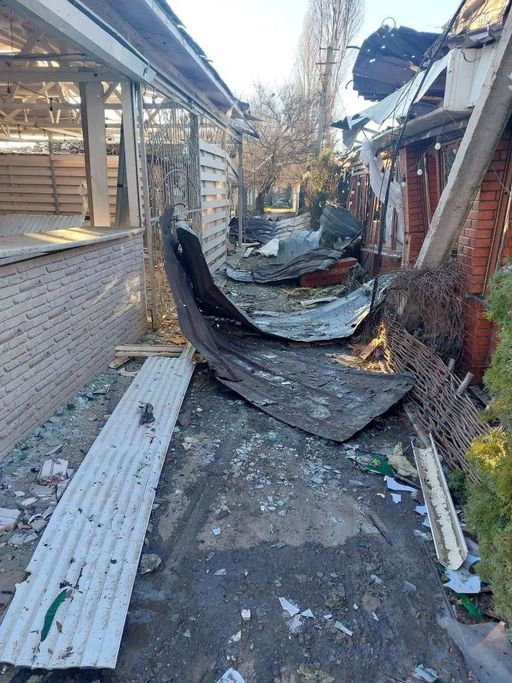
Ukraine has ordered the forced evacuation of more than 3,000 children and their parents from 44 frontline settlements in Zaporizhzhia and Dnipropetrovsk, with evacuations also ongoing in Chernihiv; Restoration Minister Oleksiy Kuleba said 150,000 people (including ~18,000 children and >5,000 mobility-impaired) have been moved to safer regions since June 1. The moves follow continued Russian advances through industrial Dnipropetrovsk and accelerating activity in Zaporizhzhia, amid Moscow’s broader offensive and its 2022 claims of annexation. The developments raise heightened security and operational risk for regional industry and increase downside risk to investor sentiment and assets exposed to Ukraine and neighboring markets.
Market structure: Accelerating Russian advances raise near-term winners—defense contractors and war-related suppliers—and losers—Ukrainian regional economies, EM sovereign credit and nearby civilian infrastructure. Expect 3–12 month demand lift for munitions, logistics, and reconstruction materials (steel, heavy equipment) while regional consumer/retail, travel and small banks see acute revenue compression and deposit flight.
Risk assessment: Tail risks include NATO escalation or broad sanctions (low-probability, high-impact) that would spike oil + commodities and freeze Russian-linked flows; operational tail risk is targeted infrastructure strikes disrupting grain/energy exports. Immediate (days) = safe-haven flows into USD/Gold and USTs; short-term (weeks–months) = volatility in EM credit and energy; long-term (quarters–years) = reconstruction capex and sustained defense spending driving secular revenue for select suppliers.
Trade implications: Favor selective exposure to US prime defense (pricing power, backlog) and commodities tied to energy/steel while hedging macro equity risk with duration and gold. Use small, explicit allocations and option structures to control drawdowns: expect >20% move in defense equities on fresh aid packages; expect 3–8% near-term rise in Brent if supply fears resurface.
Contrarian angles: Consensus bids defense names but may ignore supply-chain and margin pressure if production ramps faster than margins permit—valuation compression risk of 10–20% if input costs spike. Also, reconstruction could be a multi-year growth driver for European heavy industry that markets currently underprice; opportunity to add cyclicals selectively after short-term risk-off subsides.
AI-powered research, real-time alerts, and portfolio analytics for institutional investors.
Request DemoOverall Sentiment
moderately negative
Sentiment Score
-0.40
