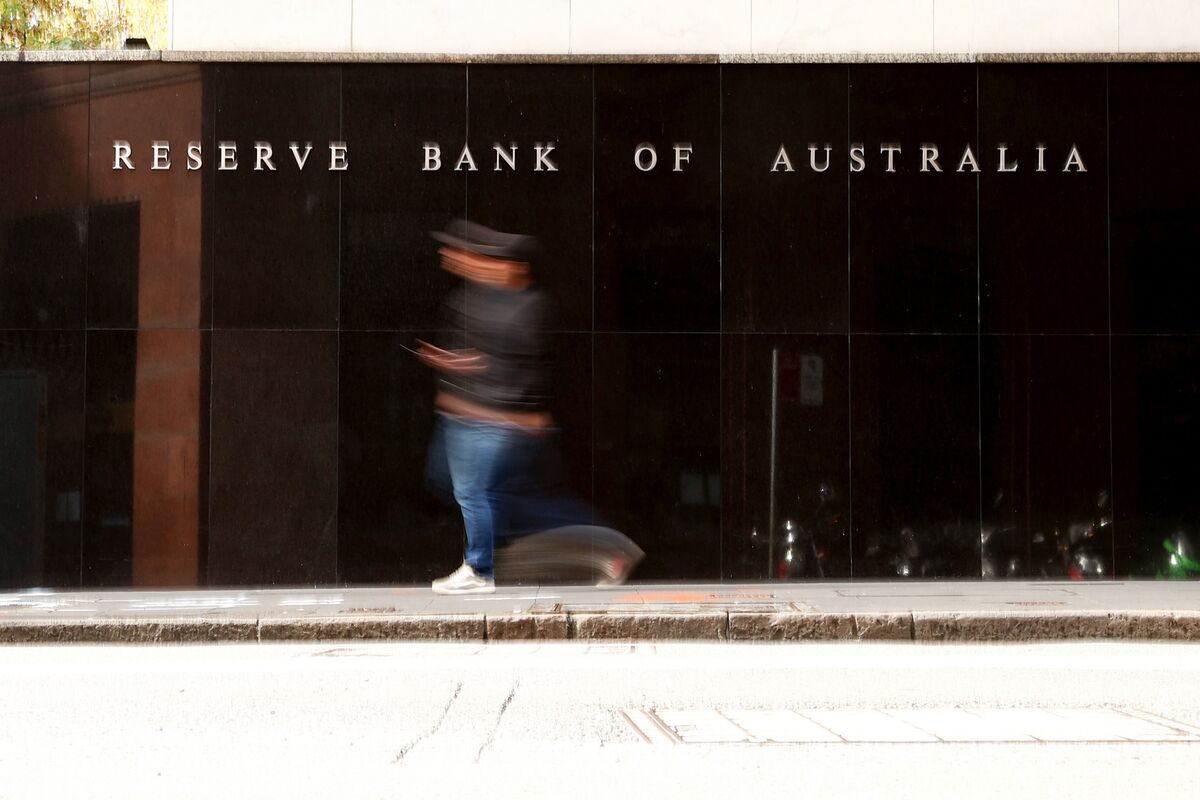
The Reserve Bank of Australia (RBA) held its cash rate at 3.6% last month, citing the persistent risk of faster inflation amid a tight labor market. This decision was influenced by back-to-back increases in monthly Consumer Price Indicator readings, particularly in housing and market services, which suggested potential upside price pressures despite the data's partial and volatile nature. The RBA affirmed its commitment to remaining cautious and data-dependent in its future monetary policy decisions.
The Reserve Bank of Australia (RBA) maintained its cash rate at 3.6% following its September 29-30 meeting, driven by persistent inflation risks and a "still a little tight" labor market. This decision was underpinned by consecutive increases in monthly Consumer Price Indicator (CPI) readings, suggesting potential upside price pressures.
Specifically, the RBA highlighted concerns within the housing and market services sectors, where CPI figures indicated increased price pressures. While acknowledging the "partial and volatile" nature of these monthly CPI data points, the central bank found them sufficient to warrant a cautious stance.
The RBA reiterated its commitment to remaining cautious and data-dependent in future monetary policy decisions. This signals a hawkish bias, indicating that further rate hikes remain a possibility if inflation data continues to surprise on the upside, despite the current pause.
AI-powered research, real-time alerts, and portfolio analytics for institutional investors.
Request DemoOverall Sentiment
moderately negative
Sentiment Score
-0.50
