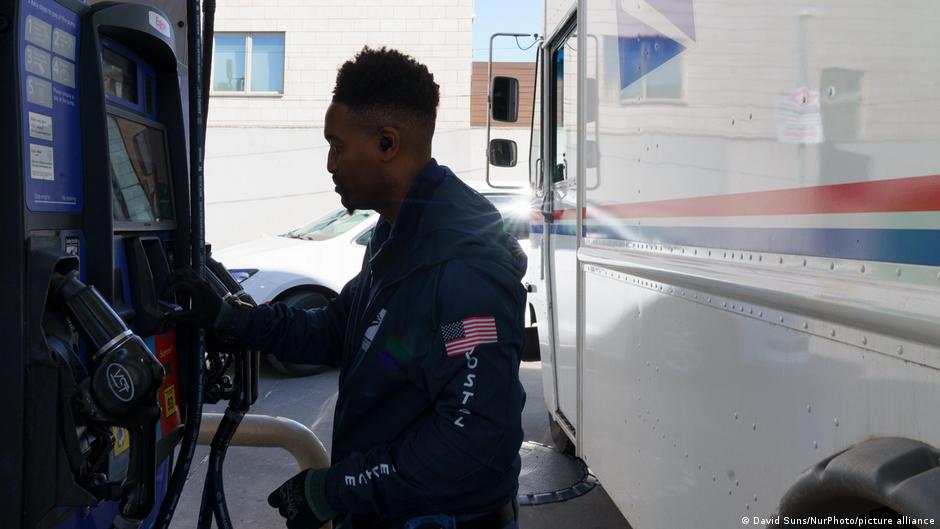
US national average gasoline rose to $4.00/gal (first time since Aug 2022) and WTI crude jumped 3.4% to $106.40/bbl after a fully loaded Kuwaiti oil tanker anchored in Dubai was struck and Iran-linked hostilities intensified. The attacks, Iran's threats/possible fees on Strait of Hormuz transits, and Houthi participation materially raise energy supply risk, elevate inflationary pressure on fuel-driven prices, and create broader market volatility and shipping/logistics disruption.
Maritime friction is transmitting into an outsized, sticky price shock because the marginal cost of moving barrels is rising as much as the marginal cost of producing them. Rerouting away from chokepoints and paying incremental war-risk premia can add on the order of $0.5–$3.0 per barrel for a VLCC-equivalent cargo (and proportionally more for smaller product tankers), which mechanically raises delivered crude and refined product breakevens and compresses the ability of refiners to arbitrage away regional shortages.
Second-order winners are owners of physical transport capacity and firms that benefit from terming or storing oil — balance-sheet-friendly tanker owners and publicly listed ship financiers should see rapid cash-flow improvement as spot freight spikes; conversely, asset-light consumer and logistics businesses face margin pressure via higher diesel/jet fuel and longer transit times that tie up working capital. Expect refinery crude slate shifts: US refiners with access to domestic heavy crude will outperform peers forced to compete for light sweet imports, altering crack spread dispersion across PADDs over the next 1–3 months.
Tail risks skew heavily to the upside for energy prices in the near term if a major chokepoint closure occurs (weeks), but policy tools (coordinated SPR releases, rapid production responses from non-embargoed producers) can compress realized prices within 30–90 days. Volatility will persist — a positive feedback loop of security incidents, insurance repricing, and defensive re-routing keeps realized volatility elevated versus historical norms until either de-escalation or demonstrable alternate supply routes/agreements appear.
Tactically, this favors owning physical-exposed equities and convex volatility positions while hedging consumer/cyclical exposure; medium-term, monitor demand elasticity signals (pump-price-driven miles decline of 2–3% over a sustained quarter) and political catalysts (diplomatic openings, OPEC spare capacity draws) that reverse the shock.
AI-powered research, real-time alerts, and portfolio analytics for institutional investors.
Request DemoOverall Sentiment
strongly negative
Sentiment Score
-0.70
