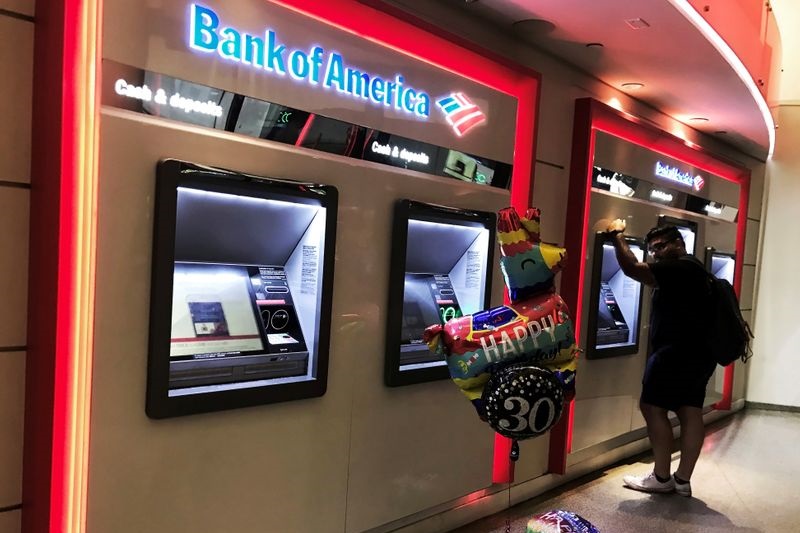
Bank of America said April household card spending rose 4.8% year over year and 0.6% month over month, but category trends were mixed, with gas spending up on higher prices while department stores, home improvement, airlines, and clothing declined. The bank estimates gas prices have cost consumers about $25 billion and expects April retail sales ex-autos and the control group to rise 0.4% month over month, slightly below consensus. Tax refunds were up about $50 billion year over year, but that fiscal stimulus is fading after Tax Day, potentially leaving consumers more exposed to higher fuel costs.
The market is treating this as a growth scare, but the more interesting read is rotation within spending rather than outright demand collapse. Higher gas acts like a regressive tax, so the incremental pressure falls hardest on lower-income cohorts and on the most price-sensitive discretionary categories first; that is a negative signal for retailers with weak pricing power and for ad-driven consumer internet names exposed to broad-based order slowdowns. The second-order effect is margin compression, not just volume softness: if consumers are forced to cut non-essentials to fund fuel, the winners are value-oriented merchants and near-term necessity spend, while premium discretionary and impulse categories lose mix.
For semis, the selloff in NVDA looks more like multiple compression from macro uncertainty than a direct earnings revision. AI capex is still structurally tied to hyperscaler budgets, so a few months of softer consumer data only matter if it spills into enterprise confidence or if higher rates/energy costs tighten financial conditions enough to delay data-center buildouts. That creates a favorable setup for names with more idiosyncratic catalysts and stronger operating leverage, while the highest-duration AI beneficiaries remain vulnerable to factor de-risking whenever the market prices a consumer slowdown.
The contrarian point is that this may be closer to a temporary tax-transfer problem than a true cycle peak. Tax refunds and stimulus are fading, but the lag from higher gas to hard consumer retrenchment usually takes several weeks, not days; if fuel stabilizes, the pessimism can reverse quickly. The key risk is that investors underestimate how quickly lower-income spending weakness can spread upward through employment and promotional intensity, turning a shallow demand wobble into a margin-led earnings reset for consumer cyclicals over the next 1-2 quarters.
AI-powered research, real-time alerts, and portfolio analytics for institutional investors.
Request DemoOverall Sentiment
neutral
Sentiment Score
-0.05
Ticker Sentiment
