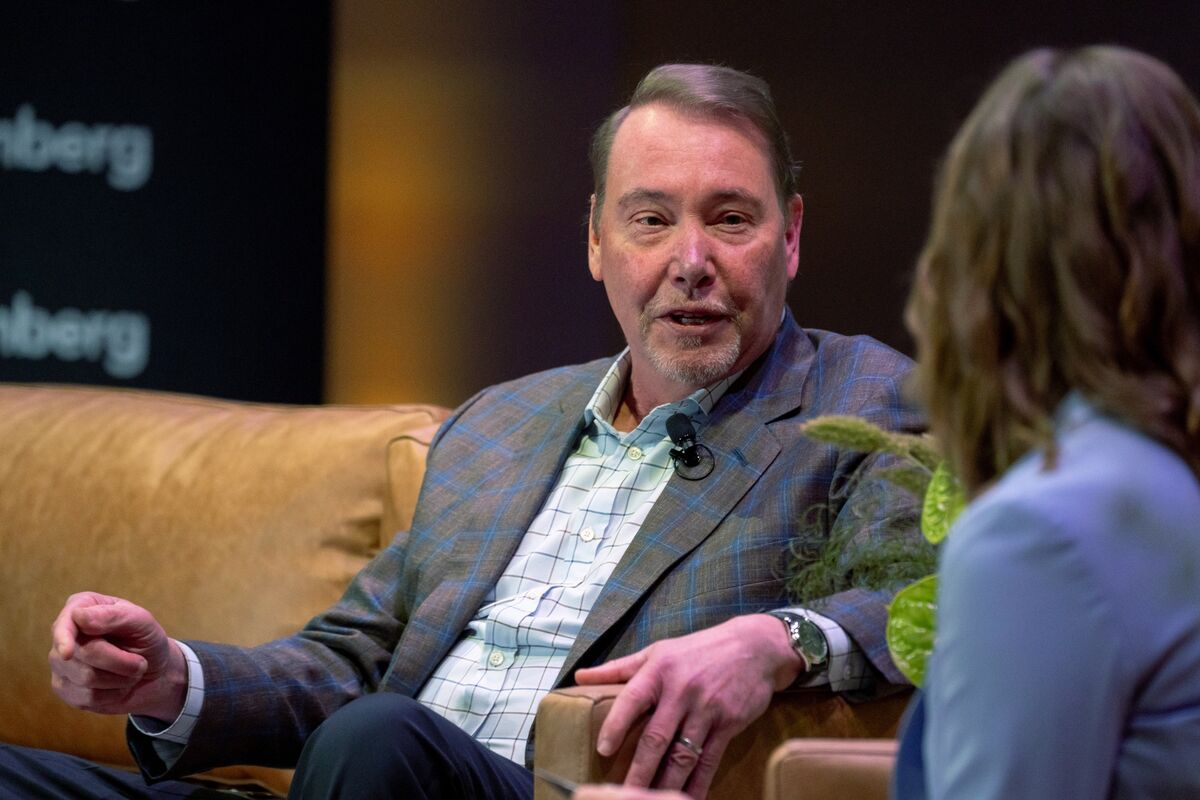
DoubleLine Capital, led by Jeffrey Gundlach, has reduced its speculative-grade bond allocations to a record low due to concerns that current valuations fail to compensate for risks such as inflation and tariffs. Gundlach announced the firm has been gradually decreasing its holdings in high-yield and other sub-investment-grade debt over the past two years, signaling a cautious stance on corporate credit amid a landscape of increasing economic uncertainties.
DoubleLine Capital, led by CEO Jeffrey Gundlach, has strategically reduced its allocations to speculative-grade bonds to the lowest levels in the firm's history, a move announced at the Bloomberg Global Credit Forum. This significant de-risking stems from the assessment that current valuations in the high-yield market do not adequately compensate for myriad risks, including persistent inflation and the impact of tariffs. The firm's deliberate reduction in holdings of high-yield bonds and other sub-investment-grade debt over the preceding two years indicates a sustained and growing apprehension regarding the risk-reward profile within the corporate credit landscape. This positioning by a prominent fixed-income manager signals a notably cautious outlook for lower-rated corporate debt, reflecting concerns about underlying economic uncertainties and their potential impact on credit quality.
AI-powered research, real-time alerts, and portfolio analytics for institutional investors.
Request DemoOverall Sentiment
moderately negative
Sentiment Score
-0.60
