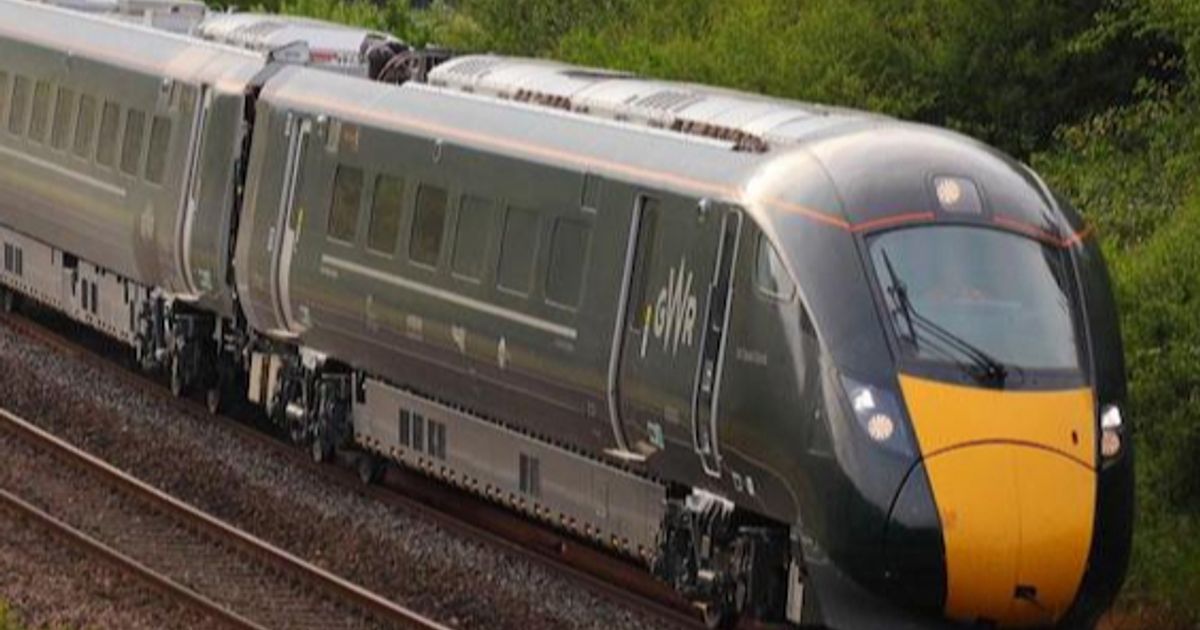
FirstGroup shares fell 10% to 180p after interim results showed adjusted revenue up 30% to £833.6m and adjusted operating profit of £103.6m, with adjusted EPS rising 16% to 9.9p (helped by a 22m share buyback), but the group warned of a “period of transition” and reported a £35.6m free cash outflow driven by accelerated bus electrification. Management maintained full-year guidance for modest adjusted EPS growth and declared a 2.2p interim dividend, but raised expected year‑end net debt to £125–135m (from £120–130m) due to M&A and investment, and noted the end of the South Western Railway contract. Broker Peel Hunt said operating profit beat forecasts on stronger rail performance though bus earnings lagged, and FY27 guidance to at least maintain EPS may sit below some forecasts, explaining the cautious market reaction.
FirstGroup shares fell 10% to a six‑month low of 180p after interim results showed adjusted revenue up 30% to £833.6m in the six months to 27 September 2025, supported by bus operations, First Bus London and improved First Rail contributions. Adjusted operating profit edged up to £103.6m and adjusted EPS rose 16% to 9.9p, benefits that were partly driven by the repurchase of 22 million shares; management also declared an interim dividend of 2.2p per share.
The company reported a free cash outflow of £35.6m driven by accelerated investment in bus electrification and M&A, and raised expected year‑end net debt to £125–135m (from £120–130m). Management maintained full‑year guidance for modest adjusted EPS growth while Peel Hunt noted operating profit beat forecasts on stronger rail performance but that bus earnings lagged; FY27 guidance to at least maintain EPS may fall short of some forecasts.
The combination of elevated capex for electrification, integration and the end of the South Western Railway contract creates a defined “period of transition” that pressures near‑term cash and leverage metrics while leaving medium‑term operational upside. Key near‑term risks are cash conversion and debt trajectory, and the speed of bus electrification and M&A integration will be the primary catalysts for re‑rating or further downside.
AI-powered research, real-time alerts, and portfolio analytics for institutional investors.
Request DemoOverall Sentiment
mildly negative
Sentiment Score
-0.30
