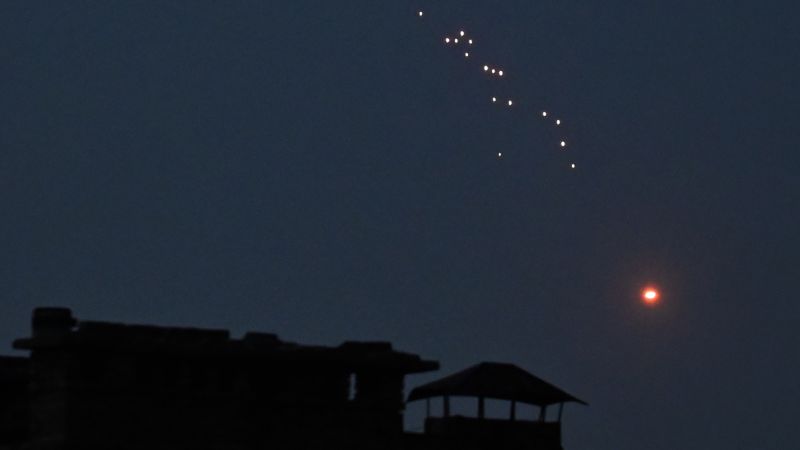
Polish and allied military aircraft were scrambled following a massive Russian aerial assault on Ukraine, which included strikes near Poland's western border, hours after NATO intercepted Russian jets violating Estonian airspace. This significant escalation, involving hundreds of drones and missiles and resulting in casualties, underscores heightened geopolitical risk and direct Russian provocations against NATO members, prompting increased military readiness on the alliance's eastern flank and raising concerns about regional stability.
Geopolitical risk in Eastern Europe has sharply escalated following a massive Russian aerial assault on Ukraine, which included strikes near the Polish border, prompting the scrambling of Polish and allied military aircraft. This event is compounded by a recent pattern of direct provocations against NATO, including an "unprecedentedly brazen" violation of Estonian airspace by three Russian MiG-31 jets, which had their transponders off. The incident has led Estonia to request NATO Article 4 consultations, elevating the issue to the alliance's principal political body. This follows other recent incursions and a notable incident where NATO fighters shot down Russian drones over Poland, marking the first time shots were fired by the alliance since the 2022 invasion. The high market impact score of 0.7 and extremely negative sentiment reflect the tangible risk of a direct confrontation between Russia and NATO, occurring in a diplomatic vacuum characterized by a stagnant peace process.
AI-powered research, real-time alerts, and portfolio analytics for institutional investors.
Request DemoOverall Sentiment
extremely negative
Sentiment Score
-0.80
