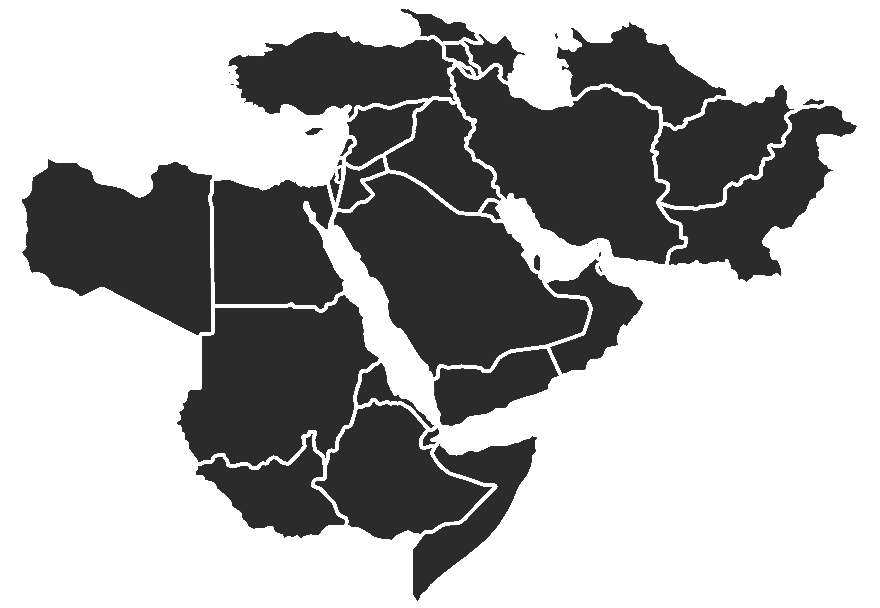
Syrian government forces have surrounded SDF fighters in Kobani, reportedly cutting electricity and internet access and likely preparing evacuation corridors followed by an assault, while SDF commander Mazloum Abdi held urgent integration talks with U.S. officials in Erbil under a tenuous ceasefire. In Iran, the regime claims 3,117 protest deaths while U.N. and medical sources estimate substantially higher tolls (UN at least 5,000, some doctors cite up to 20,000), the government maintains an internet shutdown ordered January 8, and signs of security-force refusals and targeted prosecutions increase political risk. Iraq’s Shia Coordination Framework remains deadlocked over Nouri al Maliki’s premiership amid Iranian messaging and concerns about Syria-related instability, and regional security shifts include the U.S. drawdown from Ain al Asad, transfer of 150 ISIS detainees to Iraq, and Israeli strikes on Hezbollah smuggling routes — all increasing geopolitical risk for regional assets and emerging-market exposures.
Market structure: Regional kinetic escalation (Syria front, Iranian domestic collapse risk, US withdrawal from Ain al Asad) increases risk premia in oil, EM sovereign credit, and defense suppliers. Short-term demand shock for safe havens should lift gold (GLD), USD (UUP), and long-duration Treasuries (TLT); energy (XLE/USO) sees conditional upside if supply-risk premiums push Brent >$90 within 0–8 weeks. Private-sector winners are global defense primes (LMT, NOC) and frontier security contractors; losers are EM local-currency sovereigns (Iraq, Lebanon) and regional airlines/tourism.
Risk assessment: Tail scenarios include wide Iran state collapse or a Lebanon escalation that disrupts >1% of global seaborne oil — low probability (<10%) but 30–50% spot oil spike and >15% EM FX devaluation. Immediate (days): volatility spikes; short-term (weeks–months): credit spreads widen 100–300bps for weak sovereigns; long-term (quarters): higher defense budgets and re‑shoring of critical infrastructure spend. Hidden dependency: US troop withdrawals can embolden militias, increasing asymmetric attacks on energy/logistics supply chains and re-pricing insurance and freight.
Trade implications: Tactical safe-haven longs (GLD, TLT, UUP) and a hedge via EEM puts; tactical energy longs if Brent breaches $90 — scale in 1–3% position sizes, profit-targets 6–12% and stops at -6 to -8%. Defense equities/ETFs (LMT, NOC, ITA) are 3–9 month plays for +15–30% upside if regional conflict persists, but use 20% position stops. Use options to buy volatility: 1–3 month GLD call spreads and 1–2 month EEM 5% OTM puts to hedge portfolio tail risk.
Contrarian/second-order: Markets may overshoot energy repricing — if Brent rally is <2 weeks, mean reversion likely; consider shorting front-month USO or selling XLE call spreads after an initial 8–12% spike. Historical parallels: 2019 localized Middle East incidents caused 5–12% oil moves then mean-reverted in 6–10 weeks; do not allocate permanent capital to transitory risk premia. Monitor three triggers (Brent>$90, Iran internal collapse signal: IRGC mass-defections reported, and >200bp sovereign spread widening) before scaling long-duration or defense exposure.
AI-powered research, real-time alerts, and portfolio analytics for institutional investors.
Request DemoOverall Sentiment
strongly negative
Sentiment Score
-0.60
