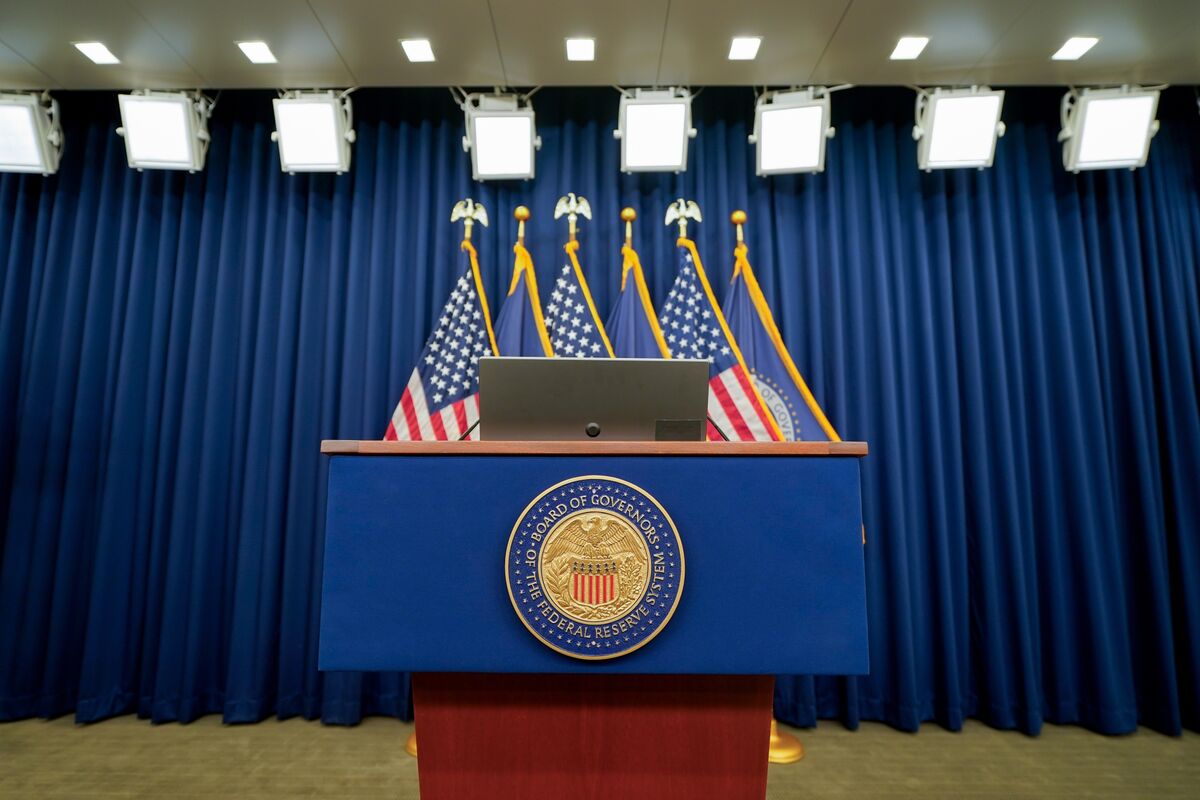
President Trump said he plans to announce his pick for Federal Reserve chair “probably early next year,” and publicly teased National Economic Council Director Kevin Hassett as a likely choice, after Treasury Secretary Scott Bessent led a selection process that narrowed roughly 10 candidates to one. Other finalists include Fed Governors Christopher Waller and Michelle Bowman, former Governor Kevin Warsh and BlackRock’s Rick Rieder; a nominee would require Senate confirmation and an outsider would likely take a 14-year governor term starting Feb. 1. The selection matters materially for monetary policy because Trump has pressured the Fed to move more aggressively to cut interest rates, and a new chair could materially reshape rate outlooks and financial markets if confirmed.
Market structure: A Trump-era, more dovish Fed pick (Hassett or similar) raises odds of earlier and larger rate cuts vs consensus, compressing term premia and benefiting long-duration assets (tech, large-cap growth, REITs) and safe-haven commodities (gold). Banks and insurance (KRE, BK, AXA-equivalents) are structural losers as NIMs compress; money funds and short-duration cash substitutes suffer yield compression. FX should see dollar weakness vs EUR/JPY; long Treasury positioning likely to steepen front-end expectations and flatten curves.
Risk assessment: Key tail risks include Senate rejection or a surprise hawkish nominee that would spike yields (+50–150bp) and reverse trades; litigation around Fed independence could increase risk premia. Immediate (days) volatility around the nomination and headlines; short-term (weeks–months) position reweighting through confirmation hearings; long-term (quarters) depends on realized CPI/PCE and Treasury supply. Hidden dependencies: fiscal deficit/Treasury issuance and geopolitical shocks can overwhelm Fed-driven narratives. Catalysts: nomination announcement (early 2026), Senate hearings (weeks after), monthly CPI/PCE and payrolls.
Trade implications: Favor duration (+TLT/IEF) and gold (GLD) as primary longs; hedge with short regional-banks exposure (KRE) and buy protection in financials (XLF). Use options to buy convexity: TLT 9–12 month call spreads or long-dated 10y futures; buy 3–6 month put spreads on KRE/XLF to limit downside. Rotate sector exposure toward utilities/real estate/large-cap growth over 1–6 months while trimming bank weightings.
Contrarian angles: Consensus assumes quicker cuts priced into fed funds futures; that may be underdone if Senate blocks a nominee or Powell remains influential—yields would jump and financials rally. Historical parallel: 2018–19 Fed-politics episodes show policy independence fights create volatility but not permanent rate-path changes; therefore scale positions (2–3% billets) and use explicit stops. Unintended consequence: politicization could raise term premia, making long-duration longs riskier if confirmation fails.
AI-powered research, real-time alerts, and portfolio analytics for institutional investors.
Request DemoOverall Sentiment
neutral
Sentiment Score
0.10
Ticker Sentiment
