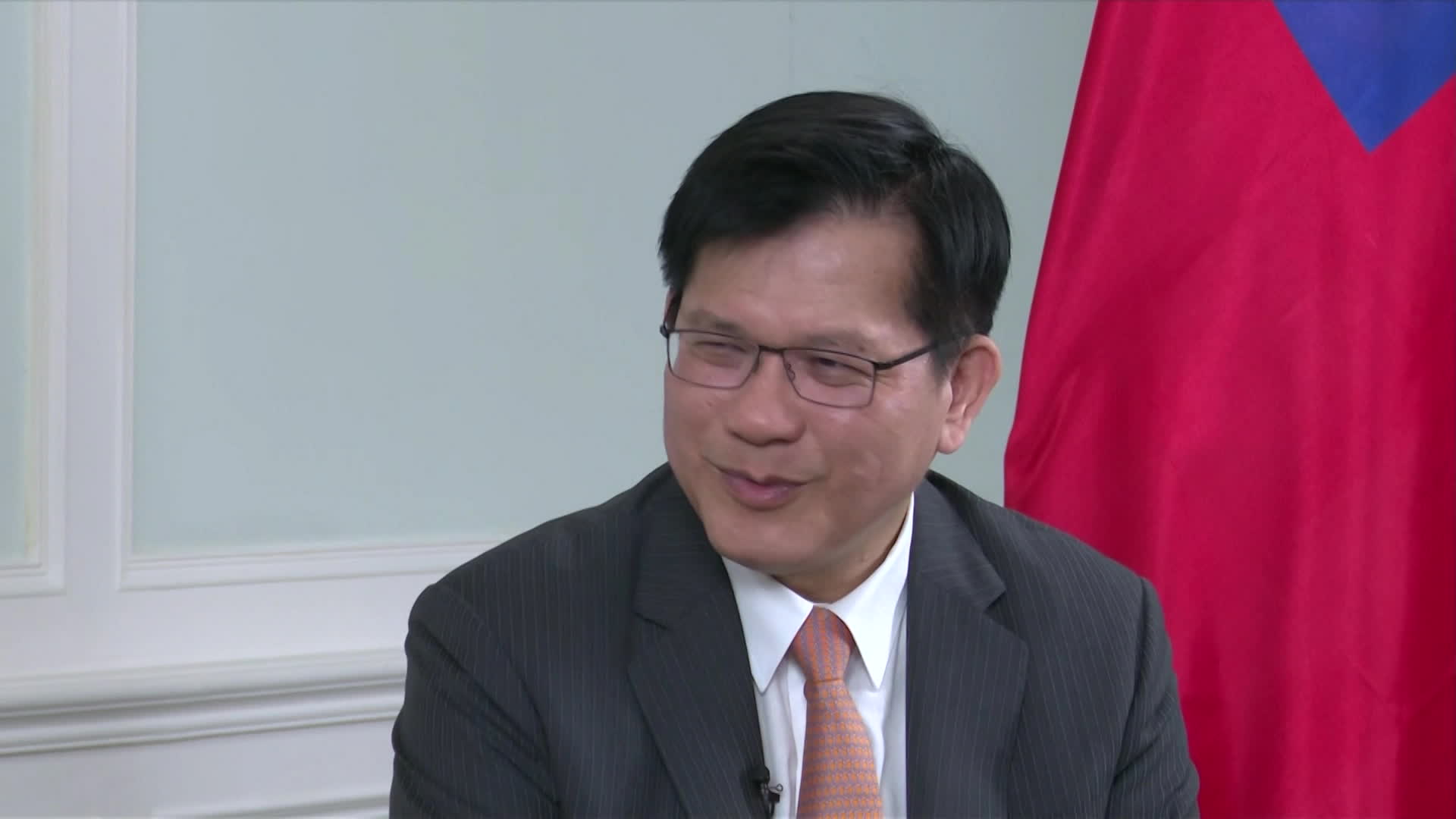
Taiwan's Ministry of Foreign Affairs said it may facilitate President Lai Ching-te's visits to diplomatic allies in Central and South America, potentially routing transit through the United States. Officials signaled confidence that the U.S. would provide transit assistance after apparent goodwill from the Trump administration, but stressed the arrangement is politically sensitive given U.S.–China dynamics; direct market implications are limited, though heightened geopolitical risk could influence Taiwan- and region-focused assets.
Market structure: A US-facilitated transit for Taiwan's leader is a geopolitical catalyst that asymmetrically benefits defense suppliers (LMT, NOC, RTX) and Taiwan-exposed semiconductor names (TSM, ASML, LRCX) while pressuring China-exposed tech (FXI, KWEB). Expect a 1–3 week volatility window around travel dates with 5–15% repricing potential in small-cap EMs and travel/airline names; semiconductor equipment demand could firm, supporting pricing power into FY+1 capex cycles.
Risk assessment: Tail risks include a limited military escalation or export-control shock that could remove ~20–40% of cross-strait trade channels for weeks; probability low (<15%) but high impact. Immediate (days) = volatility spikes; short-term (weeks–months) = policy and tariff responses; long-term (quarters–years) = supply‑chain re‑shoring and sustained defense budgets; hidden dependency = concentration at TSMC/ASML creating single-point failures.
Trade implications: Tactical plays: small defensive longs (see below) and FX exposure to TWD strengthen; hedge Chinese-beta with cheap put spreads. Options: buy 3-month protection on China large-cap ETFs and sell covered calls on defense names to fund carry. Rotate 2–5% portfolio weight from China internet to defense/semiconductor capex over 1–3 months.
Contrarian angles: Consensus assumes détente with Beijing underpriceing asymmetric tail risk — volatility is likely too cheap; implied vols on China ETFs and TSMC-related risk premia are candidates for buying. Historical parallel: 1996 Taiwan Strait shocks caused 3–6 week EM drawdowns; a calm post-visit market could quickly reverse, so position size and hedges must be calibrated to a 10–25% drawdown scenario.
AI-powered research, real-time alerts, and portfolio analytics for institutional investors.
Request DemoOverall Sentiment
neutral
Sentiment Score
0.00
