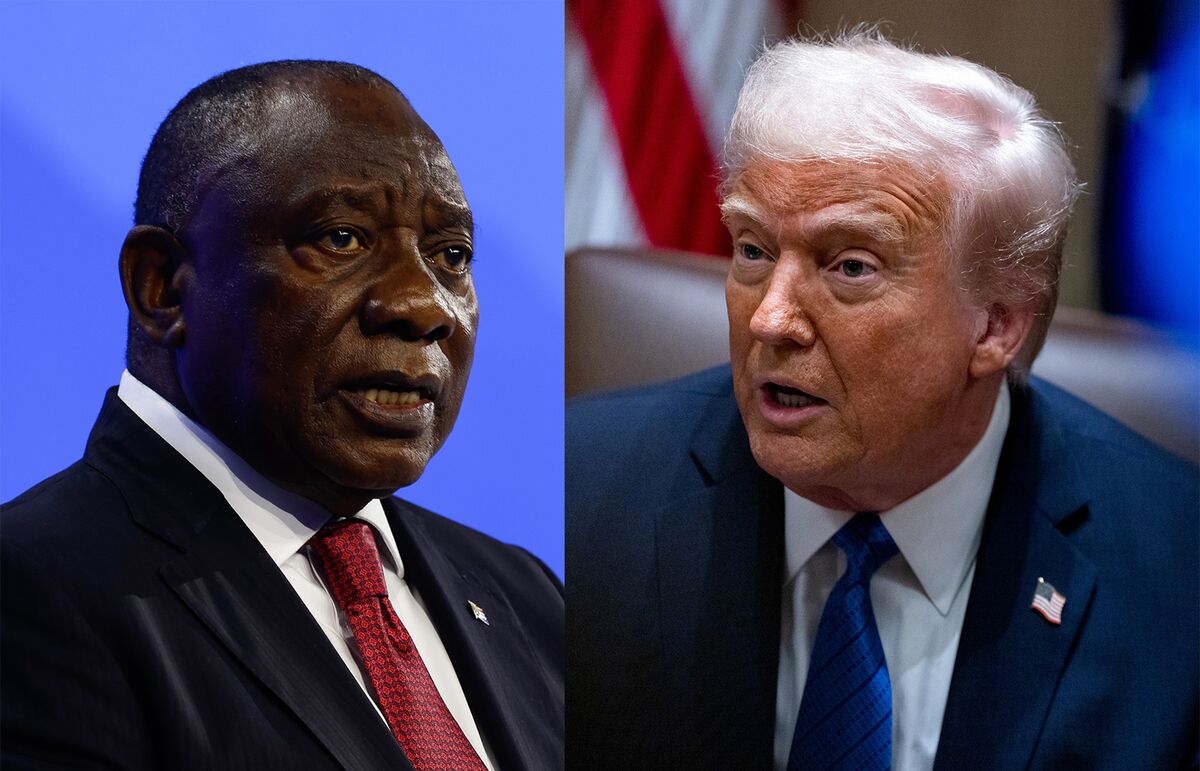
President Trump halted aid to South Africa via executive order in February following the adoption of a new land-expropriation law, which he views as discriminatory and akin to land grabs, echoing claims made by Elon Musk. The US administration also established a resettlement program for White Afrikaner farmers seeking refugee status, despite broader restrictions on refugee admissions, sparking a diplomatic row over South Africa's land policies.
South Africa's new land-expropriation law has become a significant point of diplomatic contention with the United States, leading to President Trump halting aid to the country via an executive order in February. This action was reportedly prompted by perceptions, voiced by President Trump and Elon Musk, that the law facilitates discriminatory land grabs and that White Afrikaner farmers are facing genocide—claims the article states are false. Concurrently, the US administration has initiated a resettlement program specifically for White Afrikaners seeking refugee status, a move contrasting with its broader restrictions on refugee admissions. This development highlights the persistent and explosive nature of land ownership issues in post-apartheid South Africa and introduces a notable geopolitical risk. The associated negative sentiment (score -0.3) and pessimistic tone, along with a market impact score of 0.3, suggest potential adverse effects on investor confidence and possible economic headwinds for South Africa, particularly relevant for an emerging market.
AI-powered research, real-time alerts, and portfolio analytics for institutional investors.
Request DemoOverall Sentiment
Negative
Sentiment Score
-0.30
