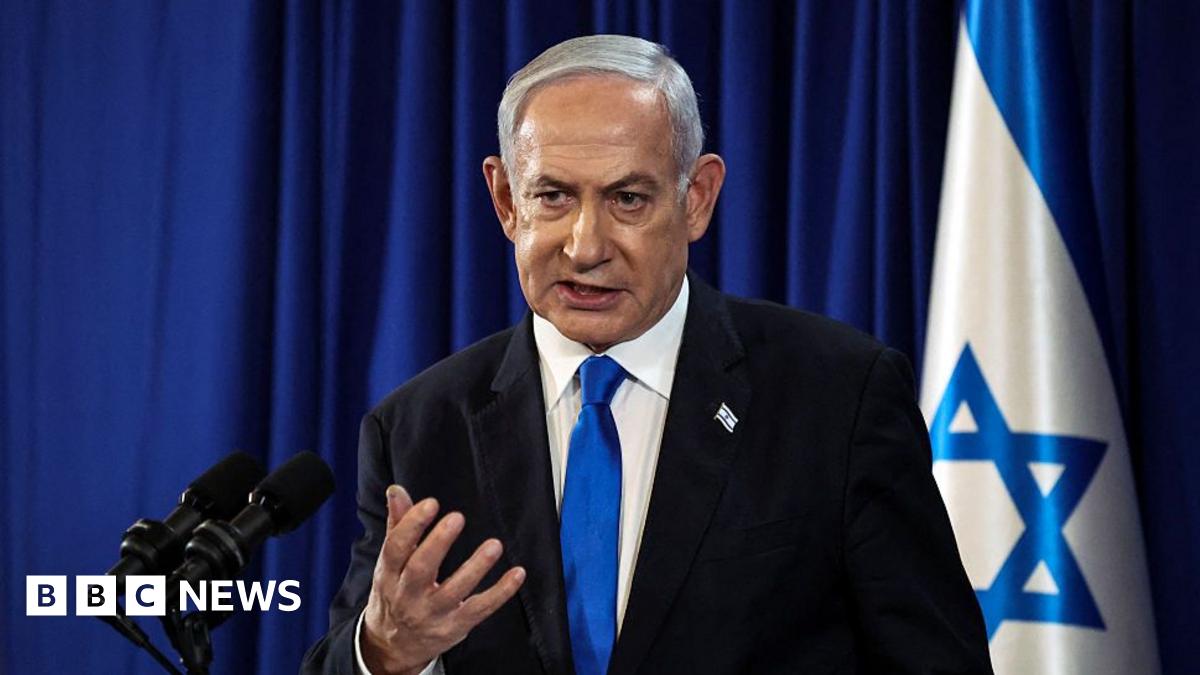
Thousands of Israelis are protesting the government's plan to expand military operations in Gaza, citing fears for the safety of the remaining 50 hostages, 20 of whom are believed alive. While Prime Minister Netanyahu maintains the expansion will aid hostage release, the widespread dissent, including some soldiers refusing service, underscores significant domestic political pressure and potential challenges to the government's war strategy, indicating prolonged internal instability and potential implications for the conflict's trajectory.
Growing domestic dissent in Israel against the government's plan to expand the Gaza war introduces a significant layer of political uncertainty. The protests, involving thousands of citizens including families of the 50 remaining hostages, are centered on the fear that escalating military action jeopardizes the lives of the 20 captives still believed to be alive. This public pressure is amplified by the refusal of over 350 soldiers to continue serving, signaling a potential fracture in support within the military itself. While Prime Minister Benjamin Netanyahu's administration maintains that military pressure is essential for hostage recovery, the intensifying opposition creates a notable challenge to the government's war strategy. This internal conflict points towards potential domestic instability, which could influence the duration, scope, and ultimate trajectory of the military campaign in Gaza.
AI-powered research, real-time alerts, and portfolio analytics for institutional investors.
Request DemoOverall Sentiment
neutral
Sentiment Score
0.00
