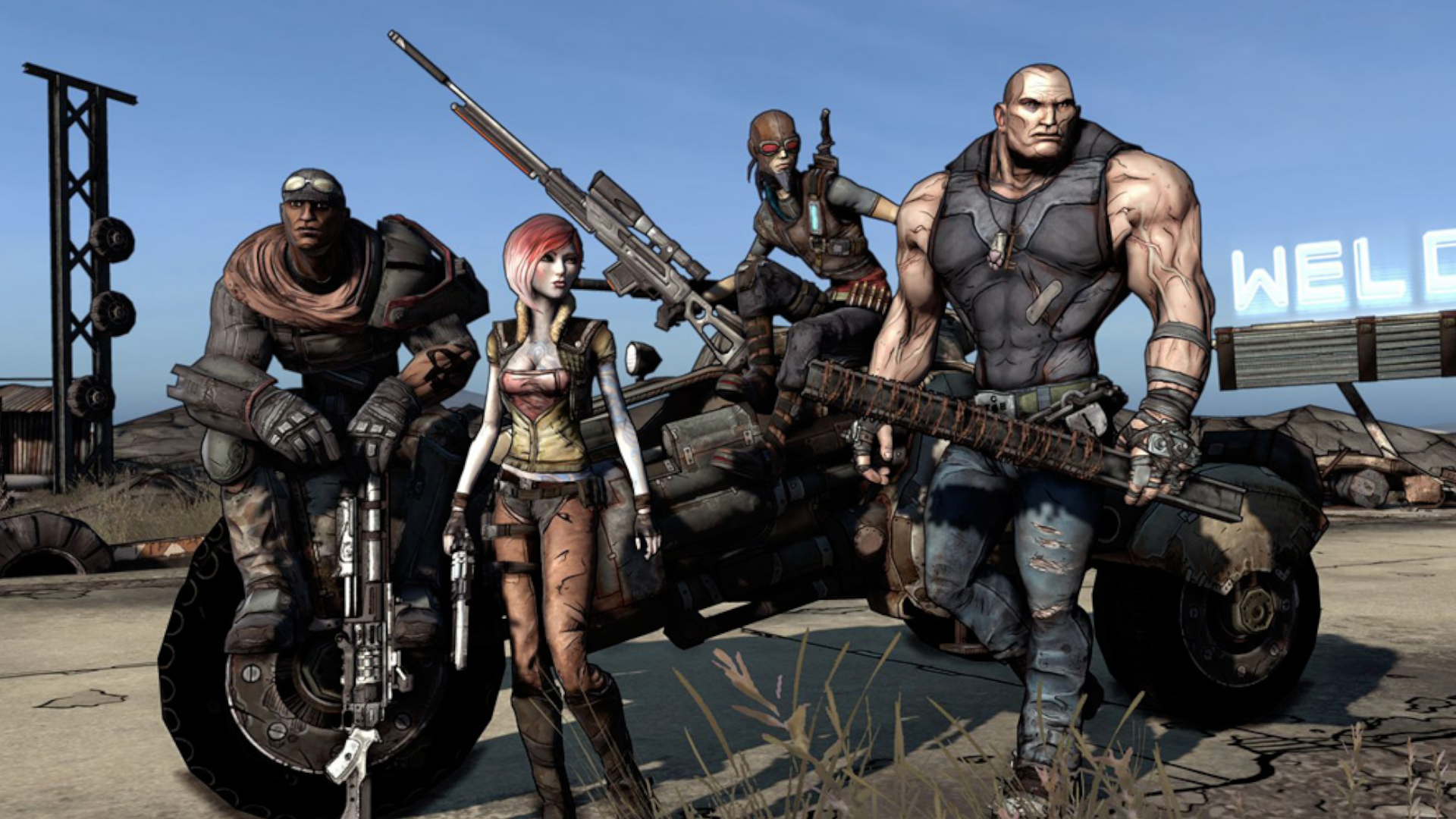
Take-Two CEO Strauss Zelnick said Borderlands' art-style overhaul cost about $50 million and added roughly one year of development, but he backed the decision because the original look was too similar to other shooters. He argued the redesign was essential to make Borderlands differentiated and commercially successful. The article is retrospective and company-specific, with limited immediate market impact.
The key signal is not the nostalgia story; it is management’s willingness to absorb a large sunk cost to preserve product differentiation. In games, brand equity is disproportionately created by visual identity at launch, so the decision likely improved lifetime value more than the headline cost suggests. That matters for publishers with sequel-driven portfolios: one breakout franchise can amortize an expensive creative reset across multiple releases and ancillary monetization cycles.
The second-order effect is a higher threshold for greenlighting “generic” AAA shooters. Competitors still leaning on gray-brown realism may face weaker discoverability, lower community attachment, and higher marketing spend to achieve comparable conversion. For engine, art, and co-dev vendors, this raises the value of tooling that accelerates stylized pipelines, while making late-stage reskins less attractive as a competitive shortcut.
From a governance lens, the memo for investors is that strong creative conviction can be value-accretive when management has a clear read on market positioning, but it also increases execution risk if the call is wrong. The relevant horizon is not days; it is 12-24 months, when upcoming sequel and pipeline quality will show whether the franchise’s moat is durable. The contrarian angle is that the market may underprice the durability of differentiated IP while overfocusing on temporary margin compression from development overruns.
The main tail risk is that this becomes a one-off anecdote rather than evidence of repeatable capital discipline. If future titles require similar “save the game” interventions, the same willingness to spend becomes a capital allocation problem, not a creative edge. Watch for signs of budget inflation, delayed launches, or muted review/retention performance in the next major release cycle, which would reverse the positive read quickly.
AI-powered research, real-time alerts, and portfolio analytics for institutional investors.
Request DemoOverall Sentiment
mildly positive
Sentiment Score
0.15
