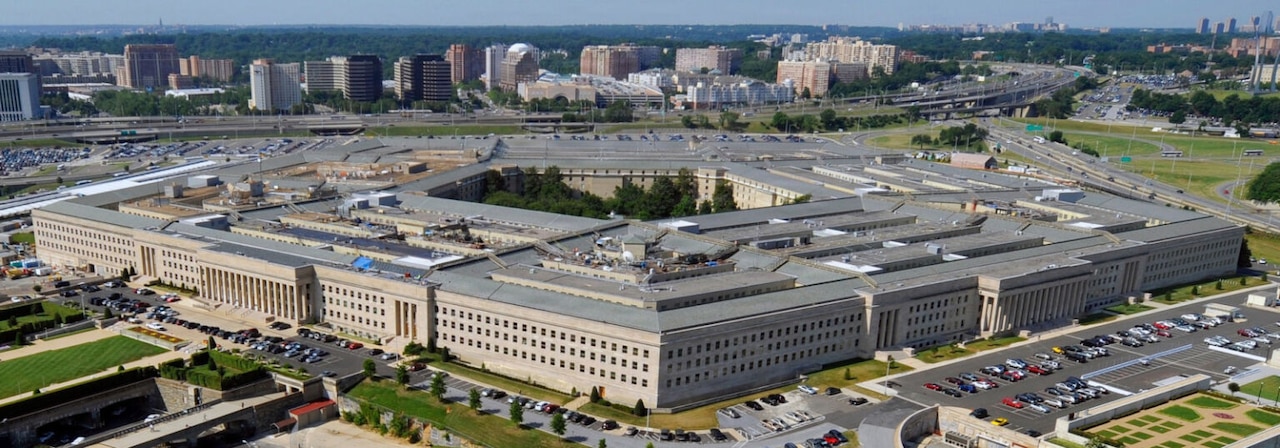
Secretary of War Pete Hegseth signed a memorandum directing installation commanders to allow uniformed War Department personnel to request carrying privately owned firearms on DOW property in the U.S., establishing a presumption of approval. The memo requires the undersecretary for intelligence and security to update War Department Manual 5200.08, mandates written, individualized explanations for any denials, and instructs the Pentagon Force Protection Agency to fairly consider storage of privately owned firearms in vehicles on the Pentagon Reservation (but not permitting carry inside the building).
This policy creates a concentrated, durable demand shock not to platforms but to the consumables and services around privately owned small arms on military installations — think ammunition, range time, armorer services, secure storage, and training. Expect a front-loaded bump in high-margin consumables (ammo brands and reloading components) and a multi-quarter cadence as installations build permitting workflows, issue guidance, and scale storage/logistics; I model ~<5% uptake of eligible uniformed personnel in the first 12 months, rising toward 10–15% across 2–3 years if no adverse incidents force reversals.
Second-order winners are niche vendors that solve friction points: compact vehicle safes, badge-integrated firearm lockers, on-base training contractors, and digital permit/license platforms — procurement cycles are short but procurement budgets are fragmented across installations, favoring agile private firms over large primes. Conversely, insurers and employers offering liability coverage to service members face higher tail-risk exposure; a single high-profile misuse or mass-casualty event on a base could trigger rapid policy retrenchment and litigation that hits sentiment-sensitive suppliers hard.
Policy durability is the dominant binary risk. Near-term catalysts (30–90 days) are installation-level implementation memos and first approvals; medium-term (3–12 months) are litigation, NDAA language, and any security incidents. Political turnover or a congressional rider in next year’s NDAA could unwind the program quickly; operational friction (storage, background checks, commander discretion) will likely cap adoption, muting upside for large-cap firearm OEMs relative to niche ammo and services providers.
AI-powered research, real-time alerts, and portfolio analytics for institutional investors.
Request DemoOverall Sentiment
neutral
Sentiment Score
0.00
