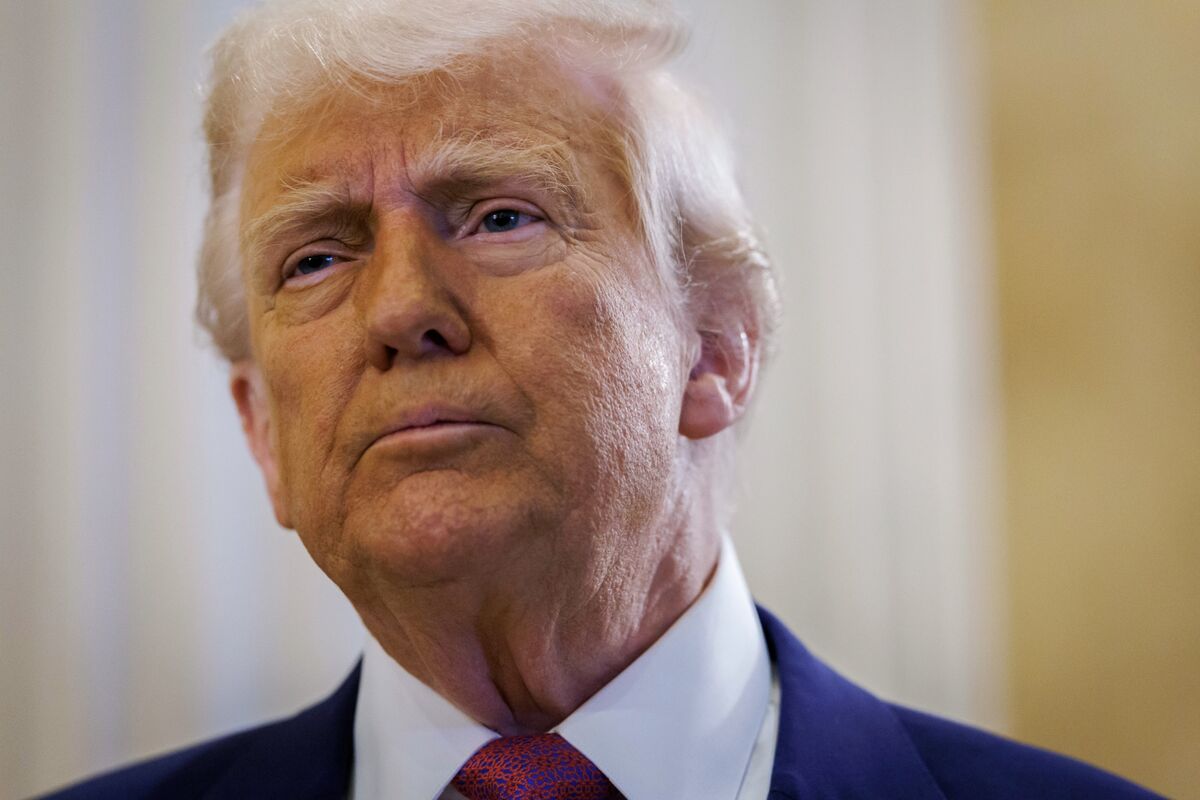
According to former acting White House Chief of Staff Mick Mulvaney, a successful trade agreement between the U.S. and China depends on Donald Trump and Xi Jinping bridging differences in their negotiation approaches; Trump prefers direct engagement at the highest levels, while the Chinese favor a different approach, potentially hindering progress.
A potential trade agreement between the United States and China faces a significant hurdle due to contrasting negotiation styles between Donald Trump and Xi Jinping, according to former acting White House Chief of Staff Mick Mulvaney. Mulvaney identified a 'fundamental disconnect,' noting Trump's preference for direct, highest-level talks, which diverges from the typical Chinese approach to conducting business and negotiations. This misalignment in diplomatic engagement strategies, underscored by a moderately negative sentiment score (-0.5) and an uncertain tone, suggests potential difficulties in bridging core differences. The issue carries a moderate market impact score of 0.6, indicating that these negotiation dynamics are material for investors monitoring global trade policy, supply chain stability, and geopolitical developments, especially considering the interplay with elections and domestic politics.
AI-powered research, real-time alerts, and portfolio analytics for institutional investors.
Request DemoOverall Sentiment
moderately negative
Sentiment Score
-0.50
