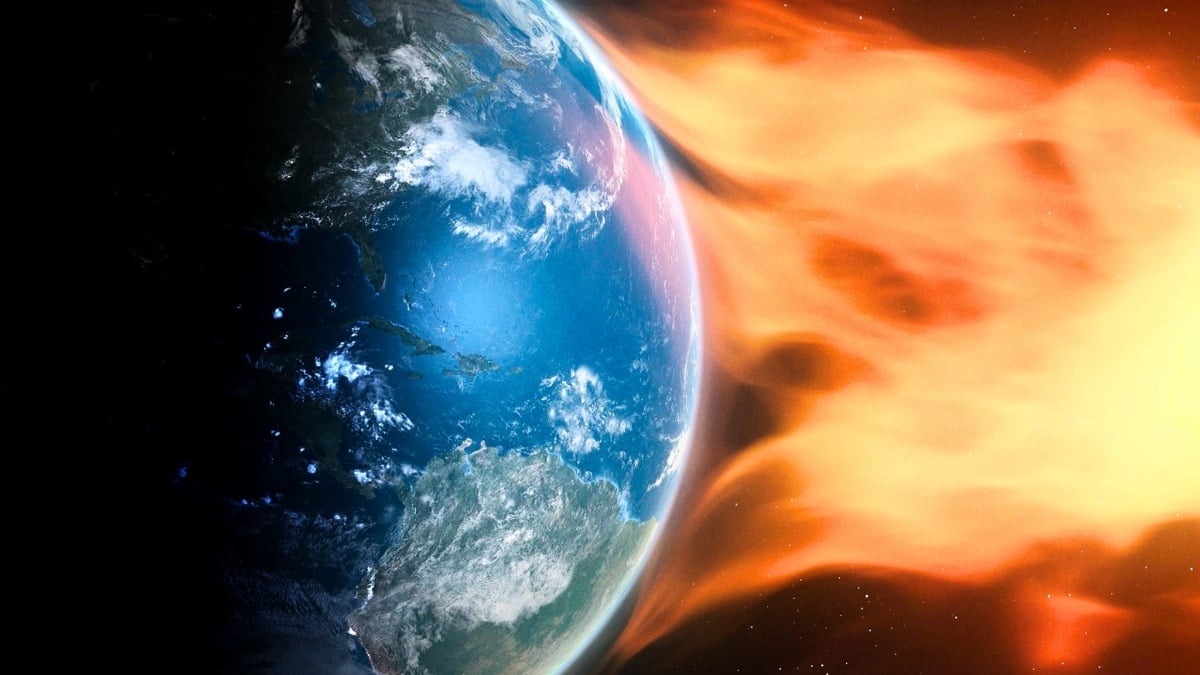
The joint ESA–Chinese SMILE mission is scheduled to launch Tuesday at 03:52 GMT on a Vega-C rocket from Kourou, after an earlier April 9 attempt was postponed due to a technical issue. The spacecraft will study how solar wind and coronal mass ejections interact with Earth's magnetosphere using the first-ever X-ray observations of the magnetic field, with a planned three-year mission life. The article is largely scientific and operational, with limited direct market impact beyond the space and satellite sectors.
This is not a direct revenue event, but it is a clean policy and capital-allocation signal for the aerospace, deep-space sensors, and space-weather stack. The near-term beneficiary set is concentrated in launch services and specialty payload suppliers: each additional successful science mission lowers perceived execution risk for European sovereign launch demand and modestly improves the odds of follow-on contracts for the broader Vega-C ecosystem after prior reliability scars.
The bigger second-order effect is on operators exposed to geomagnetic volatility. A better forecast capability does not eliminate storm risk, but it can compress the tail risk premium embedded in satellite insurance, grid contingency spend, and high-latitude aviation routing over a multi-year horizon. That matters most for businesses with large geostationary satellite fleets, polar routing exposure, or thin redundancy in critical communications, because even a small improvement in warning time reduces asset downtime and claims severity.
The contrarian angle is that investors tend to overestimate the immediacy of commercial monetization from space-weather science. This is a three-year mission with data latency, model validation, and bureaucratic adoption lag; the first tradable impact is more likely in sentiment around launch reliability than in any direct P&L line item. A larger hidden risk is the opposite: if the mission highlights that forecasting remains poor, it could reinforce the need for expensive hardening capex across utilities and satellite operators rather than easing it.
For defense and infrastructure names, the key catalyst is not the launch itself but the next extreme solar event that validates or invalidates the mission’s utility. That creates an asymmetric setup: low immediate beta, but a meaningful call option on preparedness spending if there is any severe geomagnetic episode over the next 6-18 months.
AI-powered research, real-time alerts, and portfolio analytics for institutional investors.
Request DemoOverall Sentiment
neutral
Sentiment Score
0.05
