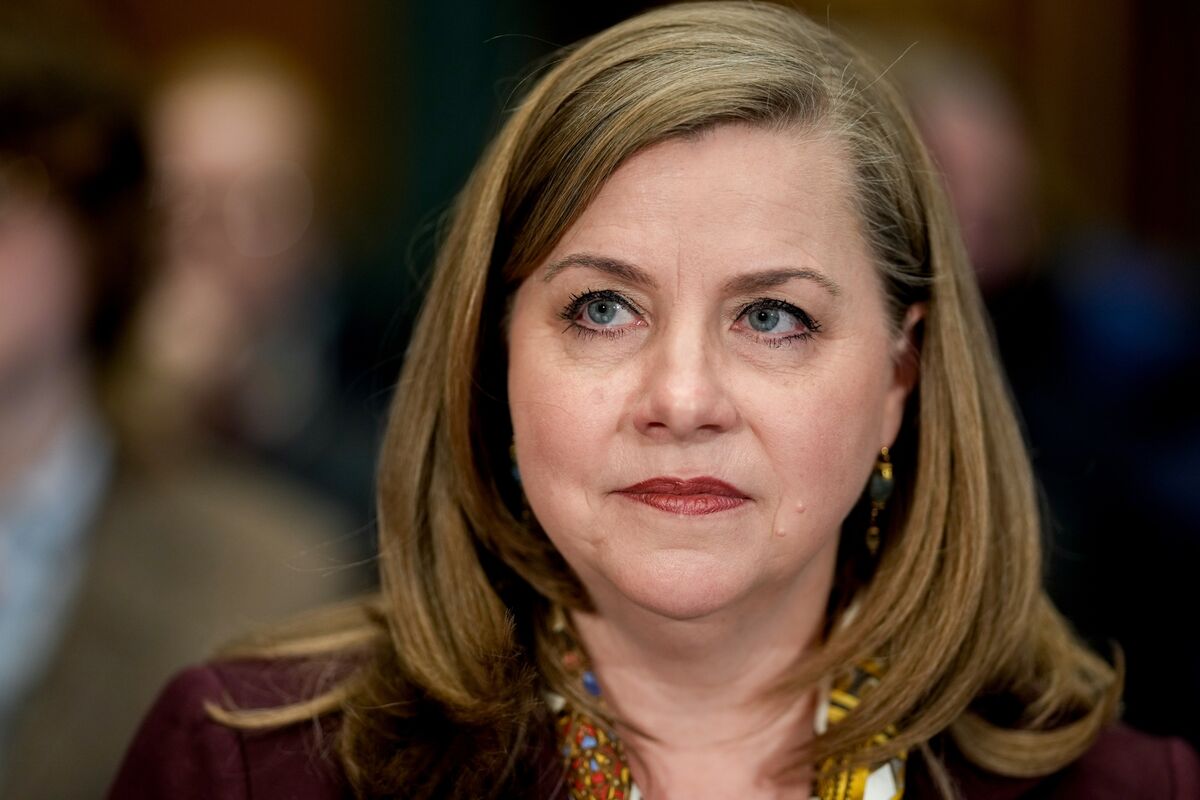
Federal Reserve's incoming vice chair for supervision, Michelle Bowman, announced the central bank will address the discrepancy between confidential ratings of large banks and their financial health. Bowman highlighted that two-thirds of the largest U.S. banks received unsatisfactory ratings in the first half of 2024, despite meeting supervisory expectations for capital and liquidity, signaling a forthcoming review of the rating system.
Federal Reserve's incoming vice chair for supervision, Michelle Bowman, has highlighted an impending review of the confidential rating system for large U.S. financial institutions, addressing what she termed an "odd mismatch." This follows data from the first half of 2024 indicating that two-thirds of the largest U.S. banks received "unsatisfactory" confidential ratings, despite most of these institutions concurrently meeting all supervisory expectations for capital and liquidity. This significant discrepancy suggests that the Federal Reserve's internal assessment criteria may differ from, or go beyond, publicly understood metrics of financial health, portending potential shifts in regulatory evaluation. The acknowledgment by a key supervisor signals that changes could be forthcoming, aiming to reconcile these internal ratings with observable financial conditions, which may impact how bank risk and stability are perceived and regulated.
AI-powered research, real-time alerts, and portfolio analytics for institutional investors.
Request DemoOverall Sentiment
mixed
Sentiment Score
0.10
