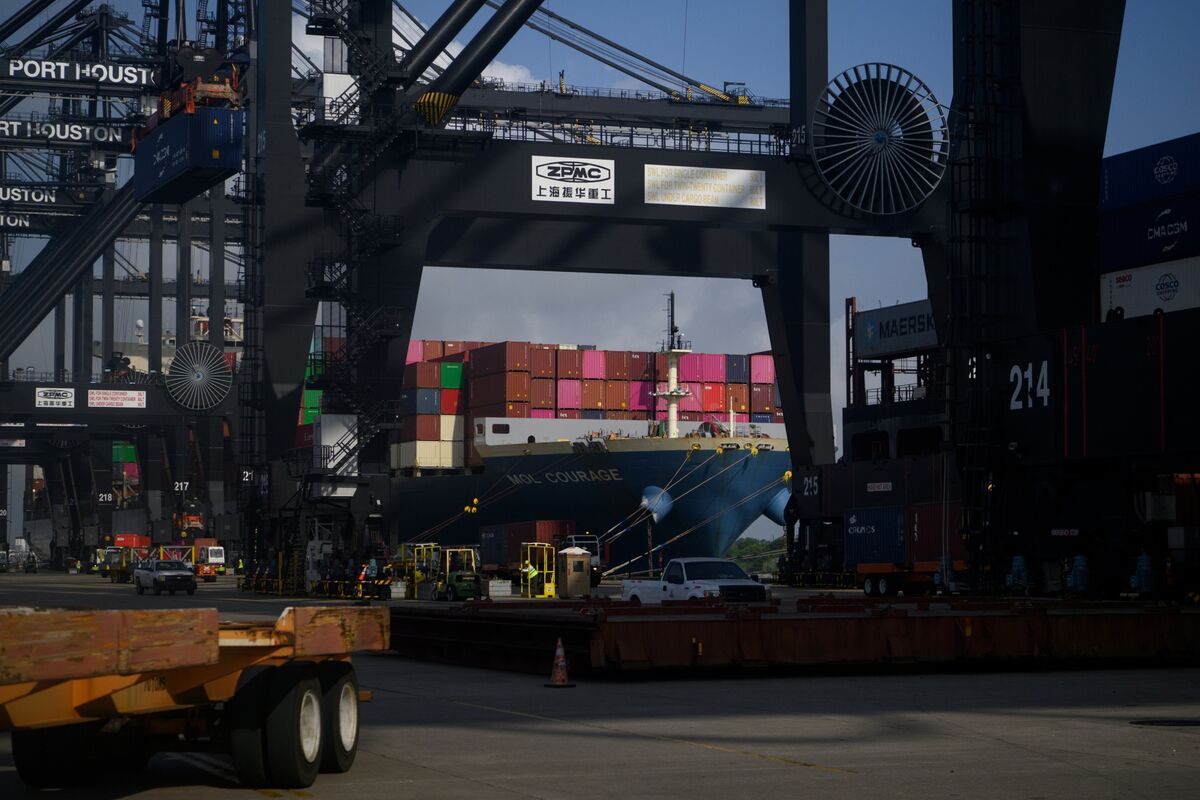
U.S. customs duties surged to a record $16.5 billion in April due to President Trump's tariffs on imported goods, including a 10% baseline tariff for most of the world, 25% on steel, aluminum and autos, and 51% on China. Despite the increase, current tariff revenue is projected to fall short of covering the cost of Republican tax cuts, a pledge made by the administration. The legality of these tariffs is currently being challenged in lawsuits.
U.S. customs duties reached a record $16.5 billion in April, reflecting the full implementation of President Trump's tariff regime, which includes a 10% baseline tariff for most global trade, 25% duties on steel, aluminum, and autos, and a notable 51% tariff on Chinese goods—a rate that has fluctuated significantly from a pre-administration level of approximately 20% to a peak of 145%. Despite this surge in revenue, current projections indicate that these collections will fall short of financing the Republican tax cuts, a key promise of the administration. This fiscal shortfall, coupled with ongoing legal challenges to the tariffs' legitimacy, contributes to a moderately negative and pessimistic outlook, as indicated by a sentiment score of -0.4. The situation highlights significant implications for U.S. trade policy, fiscal balance, and supply chain dynamics, underscoring the interconnectedness of these economic levers with domestic political considerations.
AI-powered research, real-time alerts, and portfolio analytics for institutional investors.
Request DemoOverall Sentiment
moderately negative
Sentiment Score
-0.40
