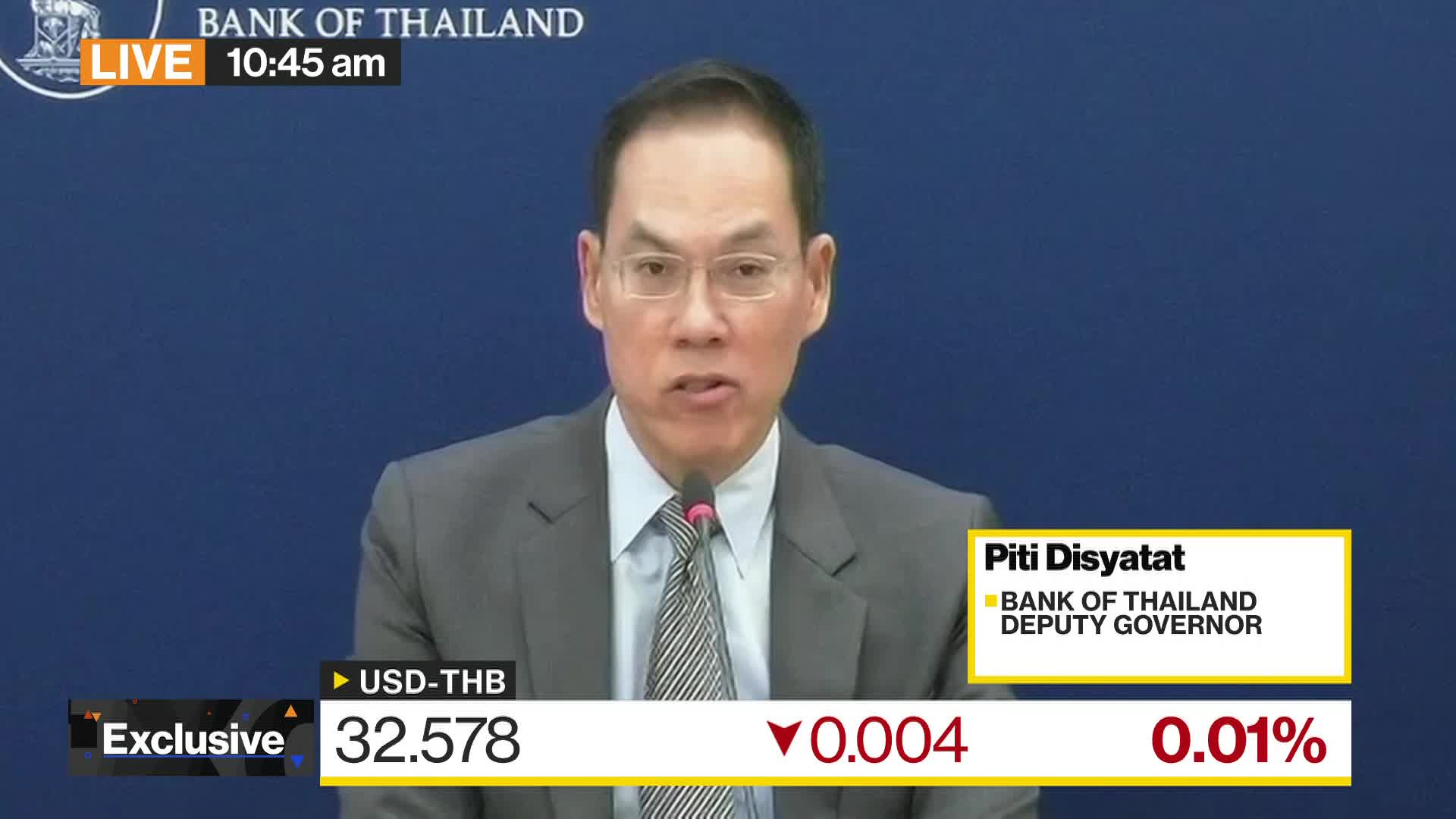
Bank of Thailand Deputy Governor Piti Disyatat signaled limited room for further monetary easing, stating that additional rate cuts would only be justified by a "significant material deterioration" in the economic growth outlook or unforeseen shocks. This indicates a more restrictive stance from the central bank, suggesting a pause in easing unless faced with severe downside risks to the economy.
The Bank of Thailand (BoT) has signaled a significant shift in its monetary policy stance, indicating that the window for further easing is closing. Deputy Governor Piti Disyatat's statement establishes a high threshold for any future rate cuts, stipulating they would only be considered in the event of a "significant material deterioration" in the economic outlook or the occurrence of unexpected shocks. This hawkish forward guidance suggests the central bank is moving towards a holding pattern, effectively pausing its easing cycle unless faced with severe negative economic developments. The statement recalibrates market expectations away from an anticipation of further stimulus and towards a more data-dependent, cautious approach, providing crucial insight into the BoT's reaction function.
AI-powered research, real-time alerts, and portfolio analytics for institutional investors.
Request DemoOverall Sentiment
neutral
Sentiment Score
0.00
