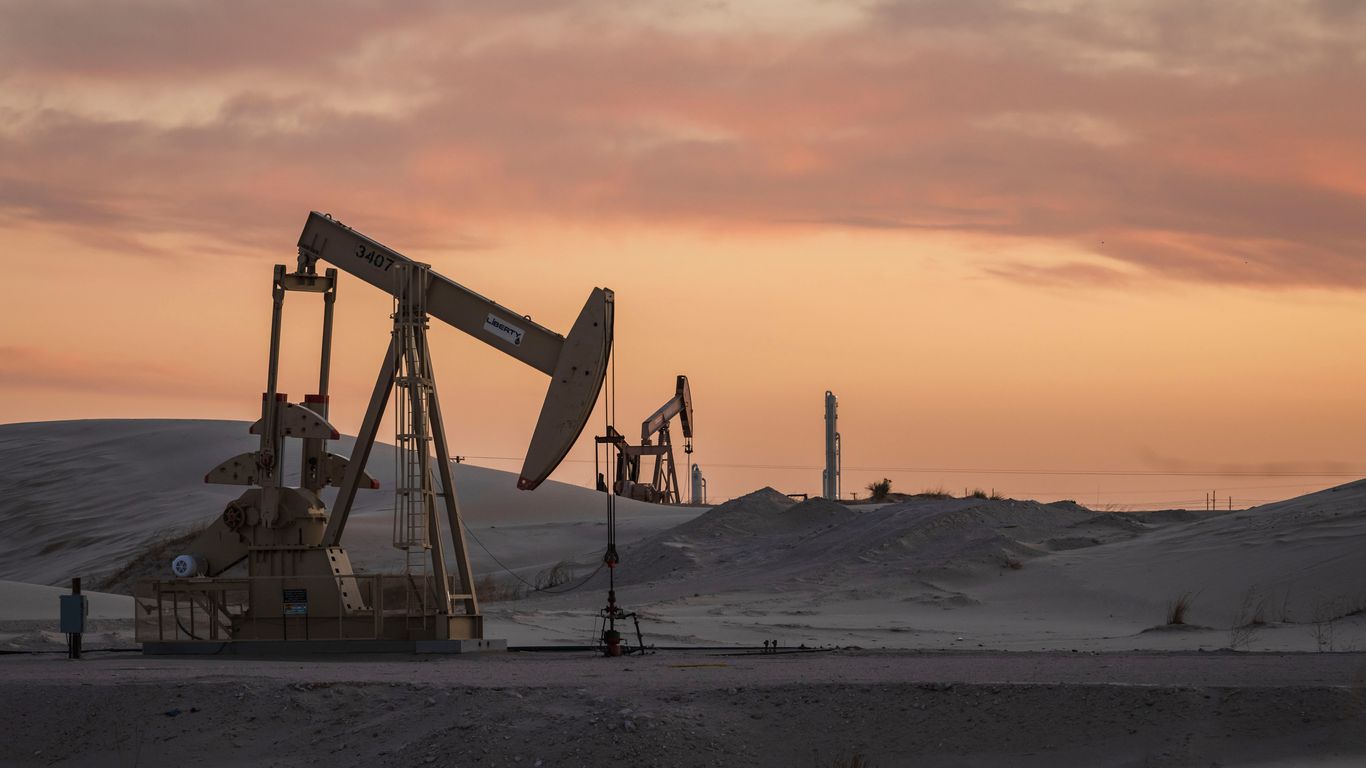
Former President Trump's directive for immediate increased oil drilling via Truth Social, amidst rising oil prices driven by the Israel-Iran conflict, underscores market concerns over supply. However, U.S. oil production decisions rest with private companies, guided by profitability and shareholder returns, not political mandates. Current U.S. output growth has stagnated, with the EIA projecting a decline by 2026 from record levels, indicating that industry capital spending programs are unresponsive to daily headlines and political calls, prioritizing long-term economic viability.
A recent directive from former President Trump to increase U.S. oil drilling is unlikely to materially impact near-term production, as output decisions are controlled by private companies, not government agencies. U.S. production growth has already stalled this year due to producer caution, a period of lower prices preceding the current conflict, ample global supplies, and tariff uncertainties. Industry operators base capital allocation on long-term profitability and shareholder returns, not daily political statements. In fact, an expert cited in the report suggests a political target of $50 oil acts as a significant disincentive for new investment. While the Israel-Iran conflict has added a risk premium of approximately $10 to crude prices, the U.S. Energy Information Administration's latest outlook, issued before the conflict, already projected a dip in domestic output in the second half of 2025 and a slight year-over-year decline in 2026, signaling a structural constraint on supply responsiveness.
AI-powered research, real-time alerts, and portfolio analytics for institutional investors.
Request DemoOverall Sentiment
moderately negative
Sentiment Score
-0.50
