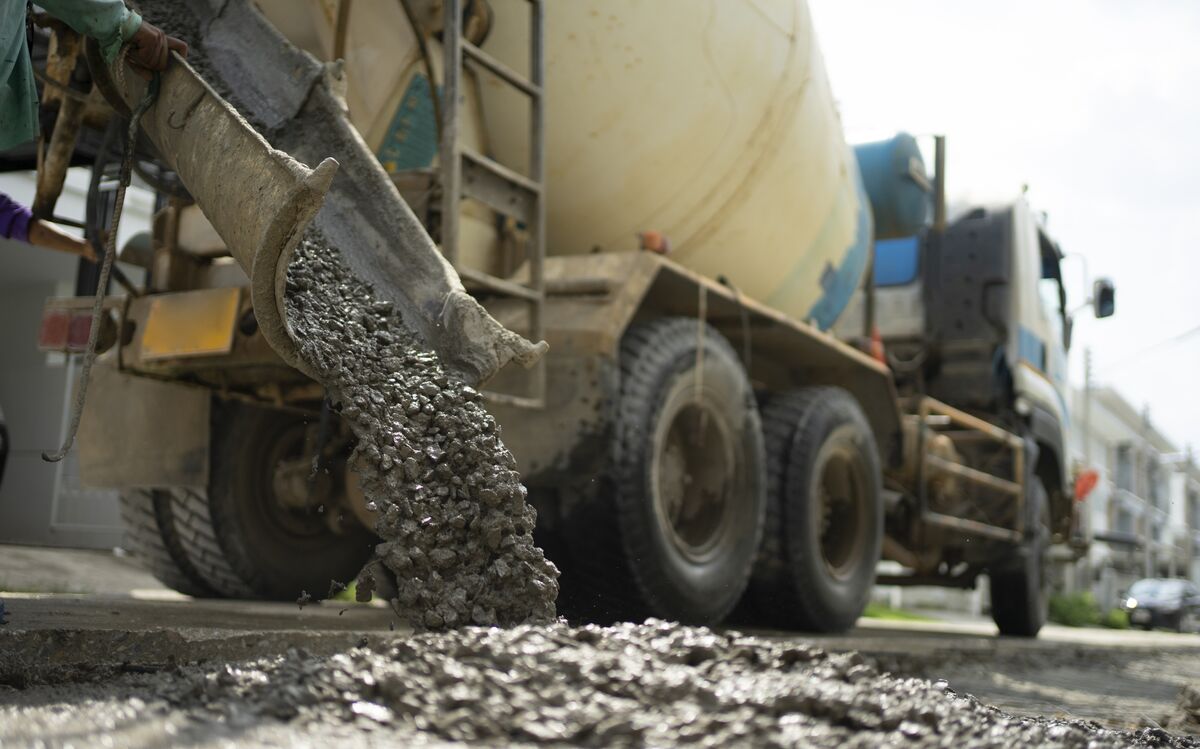
New Zealand's concrete production declined to a 10-year low of 3.7 million cubic meters in the 12 months through June, a 5.9% year-on-year decrease. This significant drop reflects the country's cooling economic growth and broader global uncertainties, which are notably curbing investment in both residential and commercial construction sectors.
New Zealand's concrete production, a key barometer for construction activity and broader economic health, has contracted to a ten-year low, signaling significant headwinds. Output fell 5.9% year-over-year to 3.7 million cubic meters for the 12 months ending in June, a level not seen since late 2014. This decline is attributed to a cooling domestic economy and pervasive global uncertainty, which are directly curtailing investment in both residential and commercial construction. For investors, this data point serves as a strong negative indicator for the New Zealand economy, implying a slowdown that could impact corporate earnings and asset valuations, particularly for instruments like the iShares MSCI New Zealand ETF (ENZL) which has a strongly negative sentiment score (-0.7) associated with this news.
AI-powered research, real-time alerts, and portfolio analytics for institutional investors.
Request DemoOverall Sentiment
strongly negative
Sentiment Score
-0.60
Ticker Sentiment
