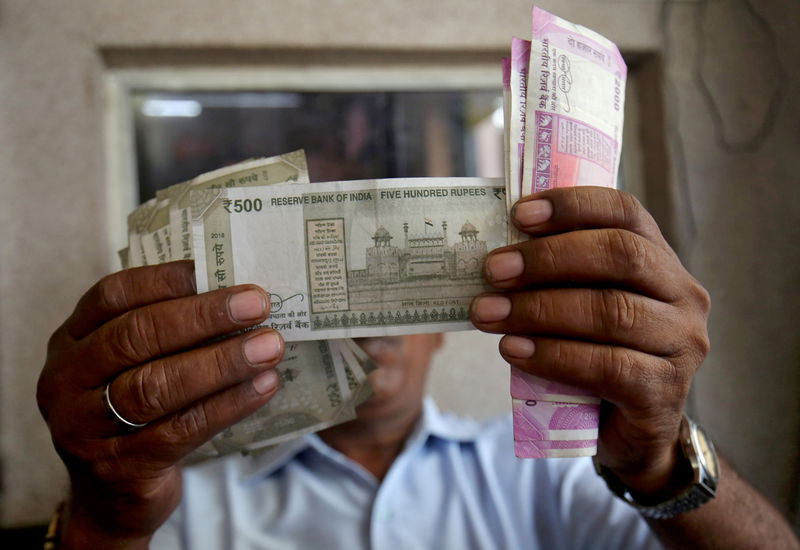
Brent crude remains above $100/bbl as Iran says it is reviewing a U.S. peace proposal but denies direct talks, producing mixed signals and keeping investors cautious. USD/INR rose 0.3% to 94.15 (just below the 94.20 record), USD/KRW ticked up ~0.1%, USD/SGD and AUD/USD gained ~0.1%, while USD Index traded flat after two sessions of gains. MUFG warns that without credible de‑escalation and normalized flows through the Strait of Hormuz, elevated oil and higher U.S. yields are likely to keep the dollar supported and leave oil‑importing Asian currencies vulnerable, implying upside inflation risk and defensive FX positioning.
Geopolitical risk that intermittently lifts energy and term premia is propagating into currency and rate markets via two mechanical channels: higher crude raises import bills for EM Asia, forcing earlier FX intervention and hedging demand, while elevated term premia widens swap spreads and funds reprice duration risk. The immediate P&L effect is a shift from carry to volatility — asset managers reduce net long EM FX and rotate into USD assets and rate-sensitive financials, compressing liquidity in local bond markets over weeks to quarters.
Financial intermediaries and FICC desks are the non-obvious beneficiaries: increased hedge flow, wider bid/offer on cross-currency swaps, and higher IM on derivatives generate fee and trading income that can persist even if the geopolitical move fades; the revenue tail is measured in quarters rather than days. Conversely, cyclically exposed hardware suppliers with large EM retail footprints are second-order losers because capital goods and consumer tech orders are the first discretionary items cut when import currency stress tightens corporate and household budgets.
Key catalysts that will flip these regimes are binary and time-bound: a credible diplomatic de‑escalation or a coordinated SPR/production response would drain the premium within 2–6 weeks, collapsing USD FX vol and pressuring financials; conversely, any escalation or supply shock that pushes Brent into a >$110 handle will likely keep USD supported and force Asian central banks to act, extending the trade window into quarters. Execution should therefore prefer instruments that cap theta loss while retaining convexity to directional moves—defined-risk option structures and pair trades that isolate exposure are preferred over outright directional exposure.
AI-powered research, real-time alerts, and portfolio analytics for institutional investors.
Request DemoOverall Sentiment
mixed
Sentiment Score
0.00
Ticker Sentiment
