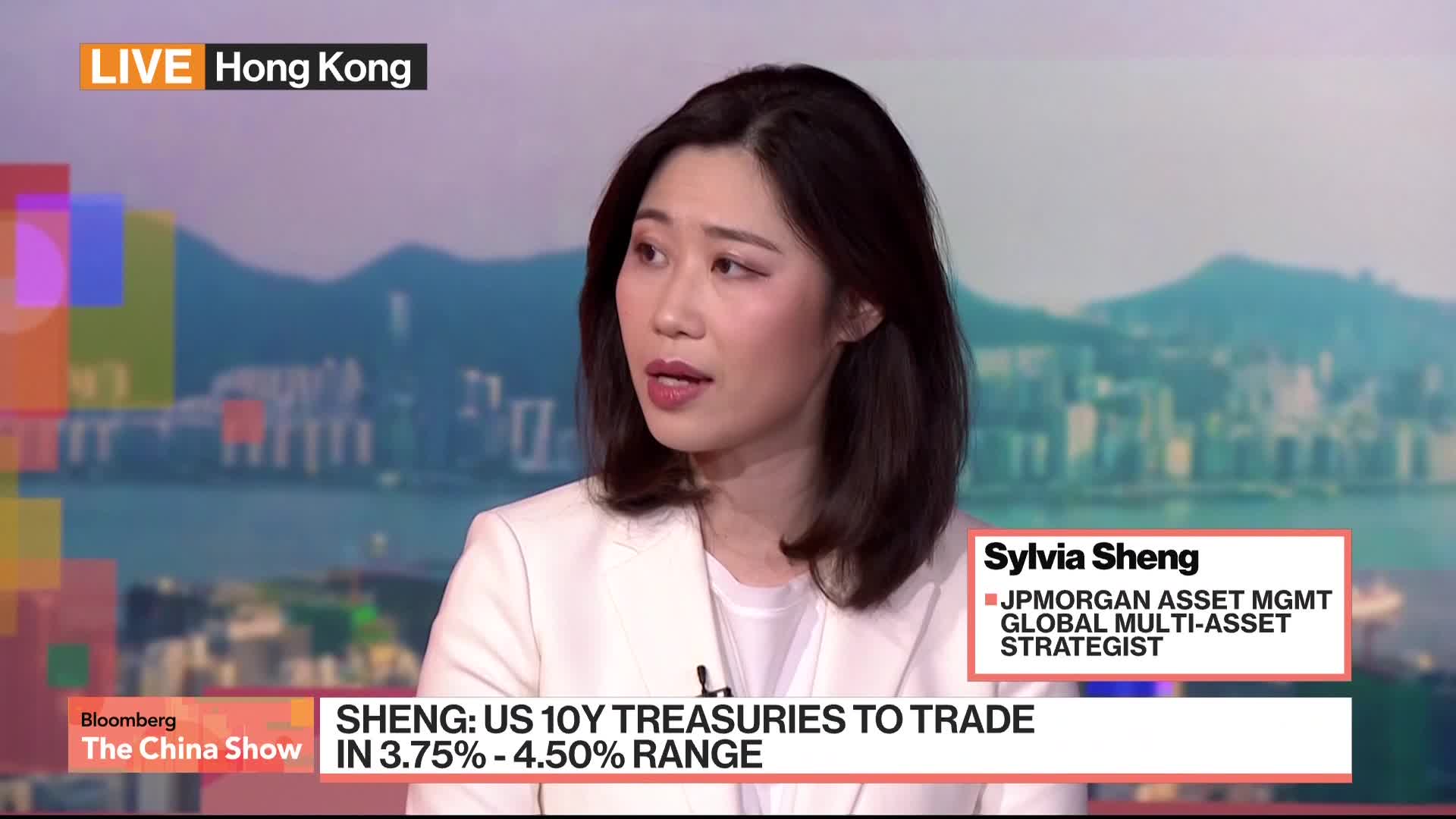
Recent reports from 'The China Show' indicate China's intent to rein in intense domestic competition, while also facing geopolitical pressure from Israel to impose economic sanctions on Iran. Concurrently, political instability in Thailand, marked by the Prime Minister's suspension, is dealing a fresh blow to its economy. These regional developments coincide with expectations that China and broader Asian emerging market stocks will face hurdles in the latter half of the year, following a blockbuster first half.
A confluence of negative factors is signaling potential headwinds for Chinese and broader Asian emerging market equities in the second half of the year, following a strong performance in the first half. Domestically, China has vowed to rein in intense competition, suggesting a continuation or expansion of regulatory oversight that could temper growth in key sectors. Externally, China faces new geopolitical complexities, with Israel urging it to apply economic pressure on Iran, adding a layer of risk to its foreign relations and trade. Compounding regional concerns, political instability in Thailand, highlighted by the Prime Minister's suspension, is creating a fresh drag on a significant Southeast Asian economy. This combination of internal regulatory shifts, external geopolitical pressures, and regional political instability supports a moderately negative and bearish outlook for the asset class.
AI-powered research, real-time alerts, and portfolio analytics for institutional investors.
Request DemoOverall Sentiment
moderately negative
Sentiment Score
-0.40
