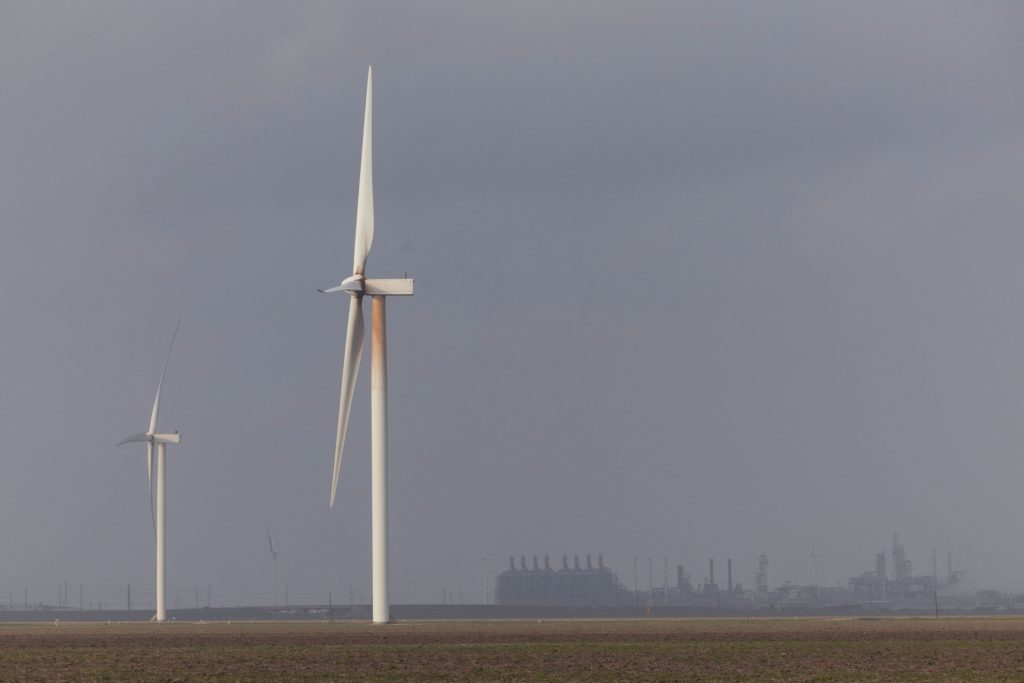
A federal judge has cleared the way for construction to resume on an offshore wind project in New York, the second court decision this week that has blocked the Trump administration's attempts to halt new wind facilities. With wind generating roughly 10% of U.S. electricity, the rulings reduce near-term regulatory risk for developers and utilities but leave broader political and legal uncertainty intact; investors should watch permitting timelines, developer capital deployment and any further policy challenges that could affect project cash flows and regional power supply.
Market structure: Court wins for offshore wind favor developers, utilities with contracted offshore assets, turbine/ocean-construction suppliers and ports; losers include merchant thermal generators and niche contractors banking on regulatory rollback. Expect modest market-share gains for incumbents with project-ready pipelines (EQNR, AGR, D) over challengers lacking permitting — pricing power for developers improves only after financing and supply-chain lock-ins, so near-term margins remain squeezed by input costs. In cross-assets, successful project restarts support longer-dated green bond issuance and reduce downside for utility credit spreads, while higher Treasury yields (>4.0%) would materially raise project IRRs and cap valuations.
Risk assessment: Tail risks include federal policy reversal or a decisive judicial loss (low probability but high impact) that could write-off sunk development costs, or a supply-chain shock (e.g., turbine lead times +30% or steel price +20%) that delays FID. Immediate (days) effects: knee-jerk moves in developer equities around court headlines; short-term (weeks–months): repricing around state solicitations and BOEM approvals; long-term (years): build-out constrained by financing costs and Jones Act logistics. Hidden dependencies: project economics hinge on tax credits, offtake contract tenor, and cost-of-capital — monitor 10y UST and BBB spreads as leading indicators.
Trade implications: Direct plays: buy selective utility/developer exposure (EQNR NYSE, AGR NYSE, D NYSE) via equities or 6–12m call spreads to capture regulatory tailwinds while limiting capital at risk. Relative-value: long EQNR/AGR vs short coal (BTU) or coal ETF (KOL) to express structural fuel-share shift; size 1–3% net. Options: use 6–12m bull-call spreads 10–20% OTM on developers to cap premium, and buy 12m puts on BTU as a hedge; if 10y UST >4.25% reduce duration on project equity exposure.
Contrarian angles: Markets often underprice the value of recurring O&M and transmission contracts — companies owning long-term service revenue (utilities with >15-year PPAs) can generate steady IRR even if capex slips. Conversely, optimism may be overdone: legal wins do not equal immediate turbines in water — expect 12–24 month lags from permitting to COD, so near-term rallies can be mean-reverted. Historical parallel: offshore wind in Europe saw multi-year build-ups where supply-chain bottlenecks & financing cycles produced 20–40% volatility before normalization; position sizing should anticipate similar swings.
AI-powered research, real-time alerts, and portfolio analytics for institutional investors.
Request DemoOverall Sentiment
mildly positive
Sentiment Score
0.30
