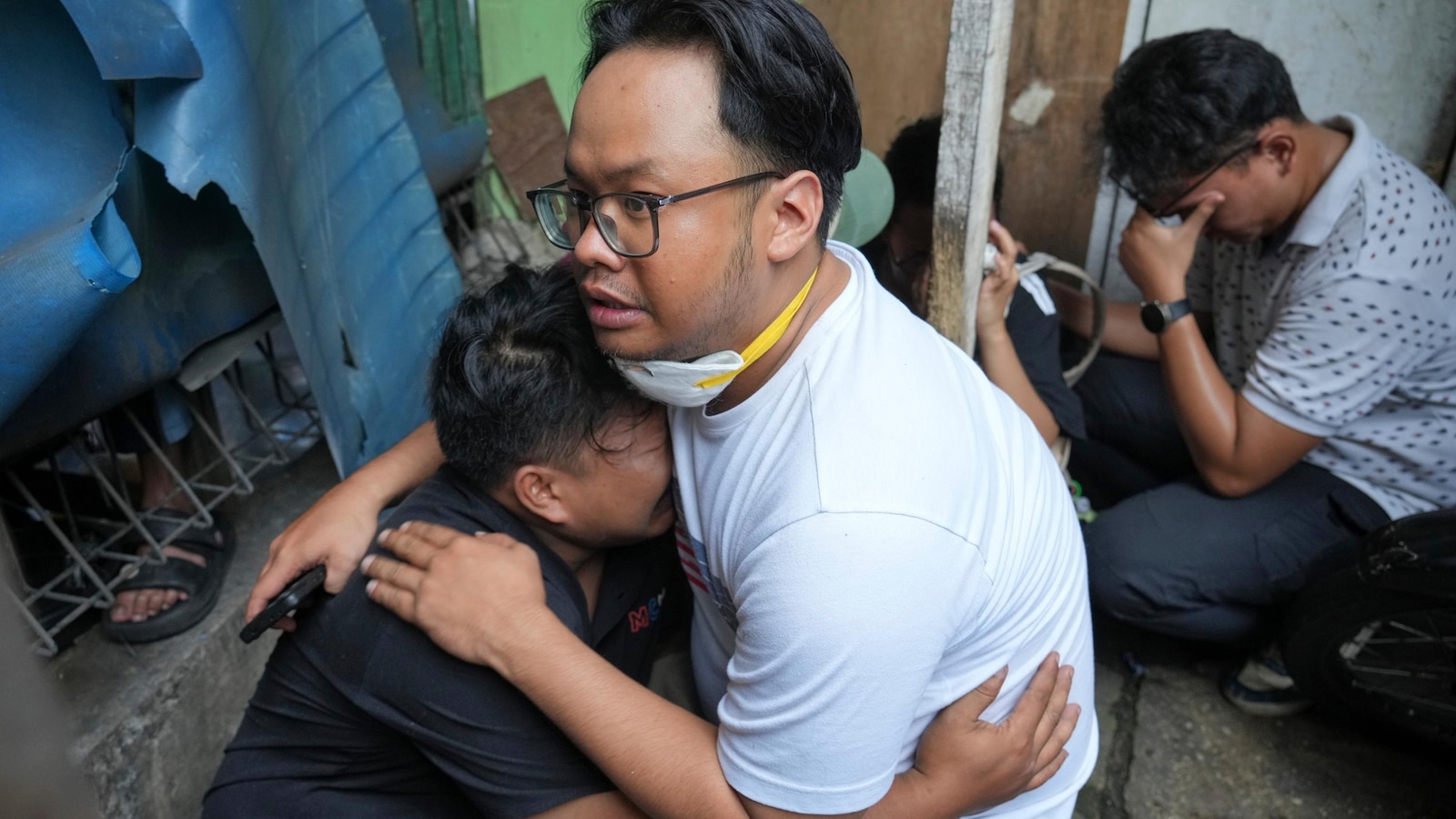
A fire ripped through a seven-story office and storage building used by PT Terra Drone Indonesia in central Jakarta around midday, killing at least 22 people (seven men, 15 women, including a pregnant woman) and injuring others after flames — believed to have started when a battery sparked during charging in a storage/testing area — spread quickly; firefighters deployed hundreds of personnel and 29 trucks and extinguished the blaze after about three hours while rescuing at least 19 people. Authorities said most victims died of smoke inhalation and the cause remains under investigation; Jakarta’s governor urged stronger workplace safety and emergency-access measures. For investors, the incident poses immediate operational and reputational risks for PT Terra Drone Indonesia, potential legal and regulatory scrutiny over battery-handling and fire-safety compliance, and a reminder of supply-chain and workplace-safety vulnerabilities in the UAV sector.
A fire ripped through a seven-story office and storage building used by PT Terra Drone Indonesia in central Jakarta around midday, killing at least 22 people (seven men and 15 women, including a pregnant woman) after a battery reportedly sparked in a storage/testing area; firefighters deployed hundreds of personnel and 29 trucks and extinguished the blaze after roughly three hours. Authorities said most victims died from smoke inhalation, at least 19 workers were rescued with some suffering minor injuries, and the cause remains under investigation with eyewitnesses and officials citing an alleged short circuit during charging.
Jakarta's governor publicly called for stronger workplace safety culture and emergency-access measures, and police warned the death toll could rise as crews re-enter the structure; this creates immediate operational, reputational and potential legal risk for PT Terra Drone Indonesia tied to battery-handling, storage protocols and emergency preparedness. The incident highlights a sector-level vulnerability for UAV-related firms that store and test batteries on-site and may prompt regulatory scrutiny or tighter compliance requirements in Indonesia.
Market signals attached to the report show a mildly negative sentiment score (-0.3) and low market-impact score (0.15), with no listed tickers identified; investors should therefore prioritize event-driven operational and liability information rather than expecting a broad market reaction. Key near-term indicators to monitor are the formal investigation findings, company and insurer disclosures on liabilities and downtime, regulatory actions or safety audits, and any customer contract disruptions.
AI-powered research, real-time alerts, and portfolio analytics for institutional investors.
Request DemoOverall Sentiment
mildly negative
Sentiment Score
-0.30
