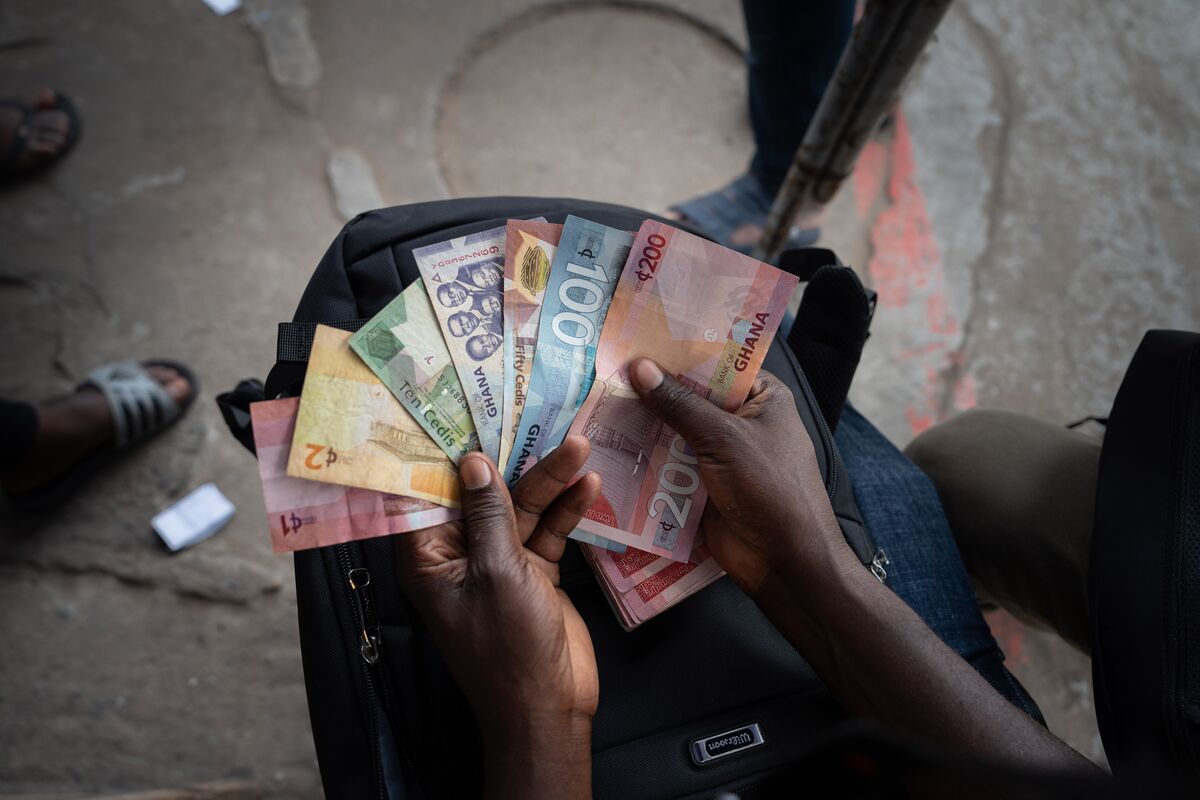
Ghana's domestic bond yields extended declines on Thursday, with the six-year cedi bond yield falling 131 basis points to a record low of 18.93%, following the nation's report of inflation dropping to a more than three-year low. This significant yield compression across maturities, including the 14-year notes, indicates increased demand for Ghanaian sovereign debt, likely reflecting improved investor sentiment on the country's macroeconomic outlook amidst easing inflationary pressures.
Ghana's domestic sovereign debt market is experiencing a significant rally, evidenced by a sharp compression in bond yields following the announcement of inflation dropping to a more than three-year low. Specifically, the yield on the six-year cedi bond due 2029 fell a substantial 131 basis points to 18.93%, a record low for the security. The longer-duration 14-year note maturing in 2037 also saw its yield decline by 7 basis points to 18.61%, marking its third consecutive day of easing. This downward movement in yields across the curve indicates a robust increase in investor demand for Ghanaian bonds, directly tied to the improved macroeconomic outlook. Easing inflationary pressure enhances the real return on these fixed-income instruments, making them more attractive and signaling growing confidence in the country's economic stability.
AI-powered research, real-time alerts, and portfolio analytics for institutional investors.
Request DemoOverall Sentiment
strongly positive
Sentiment Score
0.75
