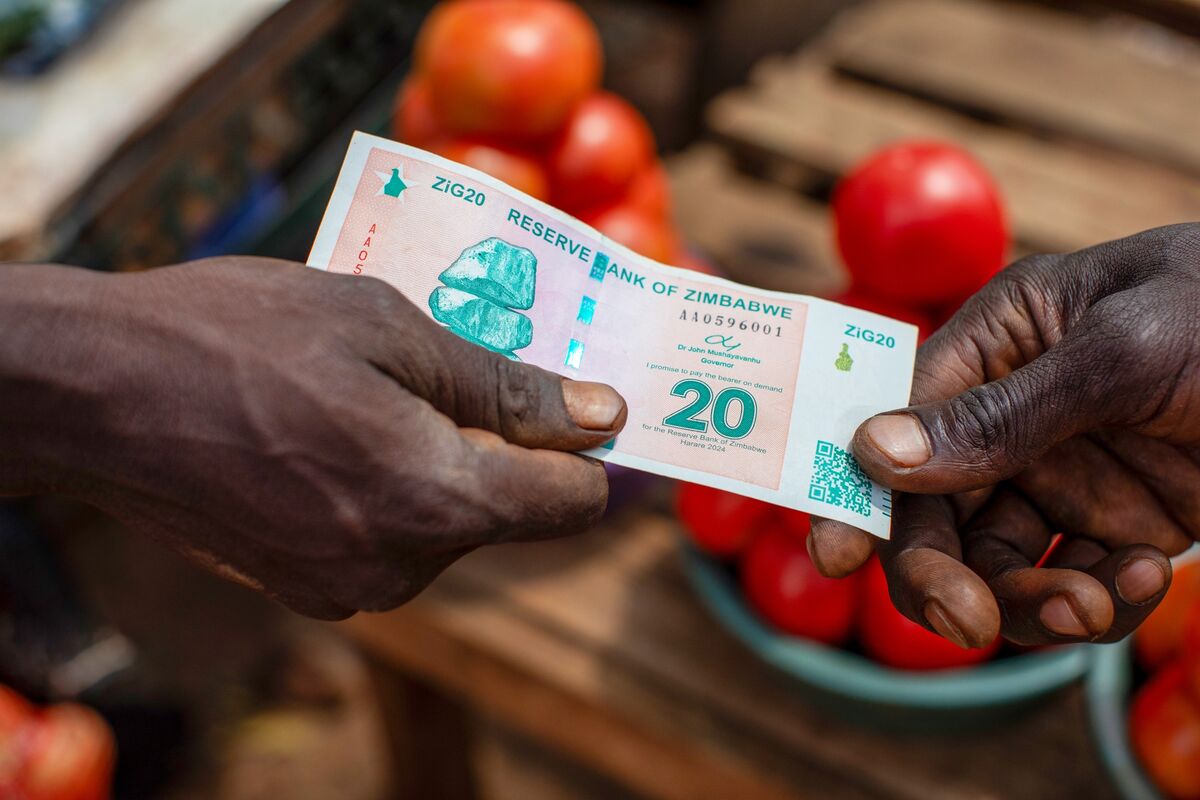
The IMF has expressed its desire for Zimbabwe's gold-backed ZiG to become the country's sole national currency as it considers a staff-monitored program for Zimbabwe. The ZiG, launched in April 2024 to replace the Zimbabwean dollar after multiple crashes, represents the country's sixth attempt since 2009 to establish a stable, local currency, though its success remains uncertain.
The International Monetary Fund (IMF) has expressed a preference for Zimbabwe's new gold-backed currency, the ZiG, to achieve full status as the nation's sole currency. This development is intertwined with the IMF's consideration of placing Zimbabwe on a staff-monitored program, which could imply future support contingent on policy adherence. The ZiG, introduced in April 2024, succeeded the hyperinflation-prone Zimbabwean dollar and represents the sixth attempt since 2009 to establish a stable domestic currency. The repeated failures to replace foreign currencies, primarily the US dollar, in local transactions highlight the deeply entrenched economic challenges and skepticism surrounding monetary reforms in Zimbabwe. The success of the ZiG is therefore uncertain, despite the IMF's conditional endorsement, reflecting a 'moderately negative' sentiment and an 'uncertain' tone regarding the currency's prospects. The low market impact score of 0.3 suggests limited immediate global market repercussions but significant local and regional implications.
AI-powered research, real-time alerts, and portfolio analytics for institutional investors.
Request DemoOverall Sentiment
moderately negative
Sentiment Score
-0.35
