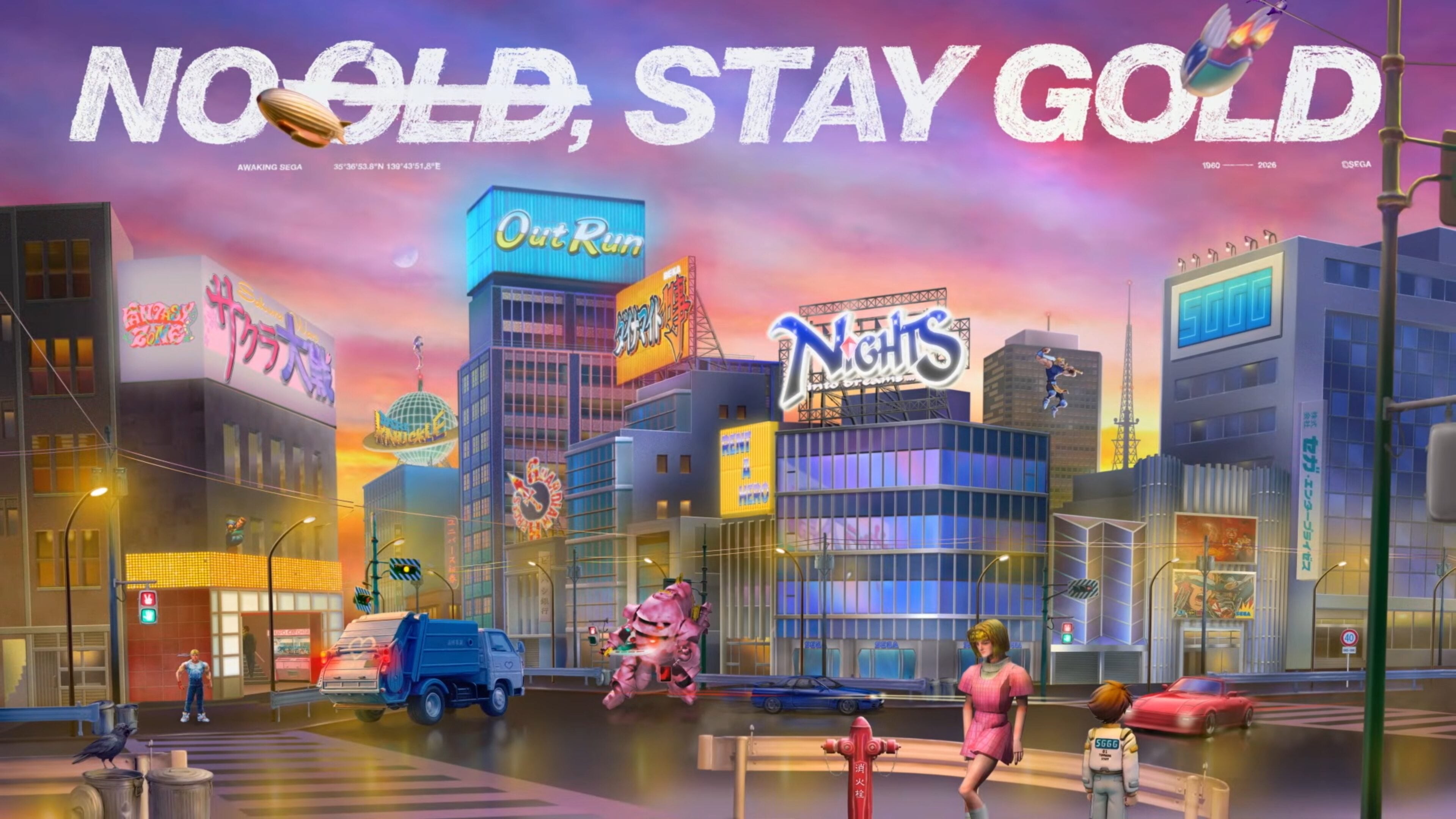
Sega launched Sega Universe, a new transmedia initiative to revive older IP across film, music, fashion, and other entertainment formats, with the first phase centered on 2026 anniversaries for nine legacy titles including Fantasy Zone, Out Run, and Streets of Rage. The strategy extends Sega’s existing transmedia push under global head of transmedia Justin Scarpone and supports monetization of dormant franchises beyond games. The news is strategically positive for Sega’s IP portfolio, but it is largely conceptual and does not yet include specific product announcements.
This is less a content announcement than a monetization reframing: Sega is trying to turn a long tail of dormant IP into an option on multiple revenue pools with far better margin structure than core game development. The most interesting second-order effect is portfolio re-rating risk: if the company proves it can attach transmedia dollars to legacy brands, investors may start valuing the catalog more like a licensing library and less like a cyclical publisher. That would be especially meaningful because nostalgia-driven demand can be manufactured faster than new game IP, creating a lower-capex growth vector with asymmetric upside.
The competitive set is broader than direct game peers. Disney, Warner, and other legacy-content owners are the real analogs because the playbook is franchise extraction across film, merch, live events, and music, not just game remakes. The constraint is execution: legacy IP often overindexes to a narrow age cohort, so the first wave can look like a revenue blip unless Sega converts awareness into recurring engagement across younger consumers. Failure would not just delay monetization; it could signal that the catalog is more emotionally valuable than commercially scalable.
For public-market setup, the catalyst window is months, not days: watch for partnership announcements, production slates, and evidence of capital-light licensing versus self-funded content. The upside case is a rerating if management shows high-ROI transmedia conversion, while the downside is that heavy spend on vanity projects depresses margins before any meaningful revenue lands. The contrarian read is that this may be underappreciated as an IP optionality story rather than a near-term earnings story, which argues for positioning around the companies best able to distribute or exploit nostalgia rather than the ones merely originating it.
AI-powered research, real-time alerts, and portfolio analytics for institutional investors.
Request TrialOverall Sentiment
mildly positive
Sentiment Score
0.25
Ticker Sentiment
