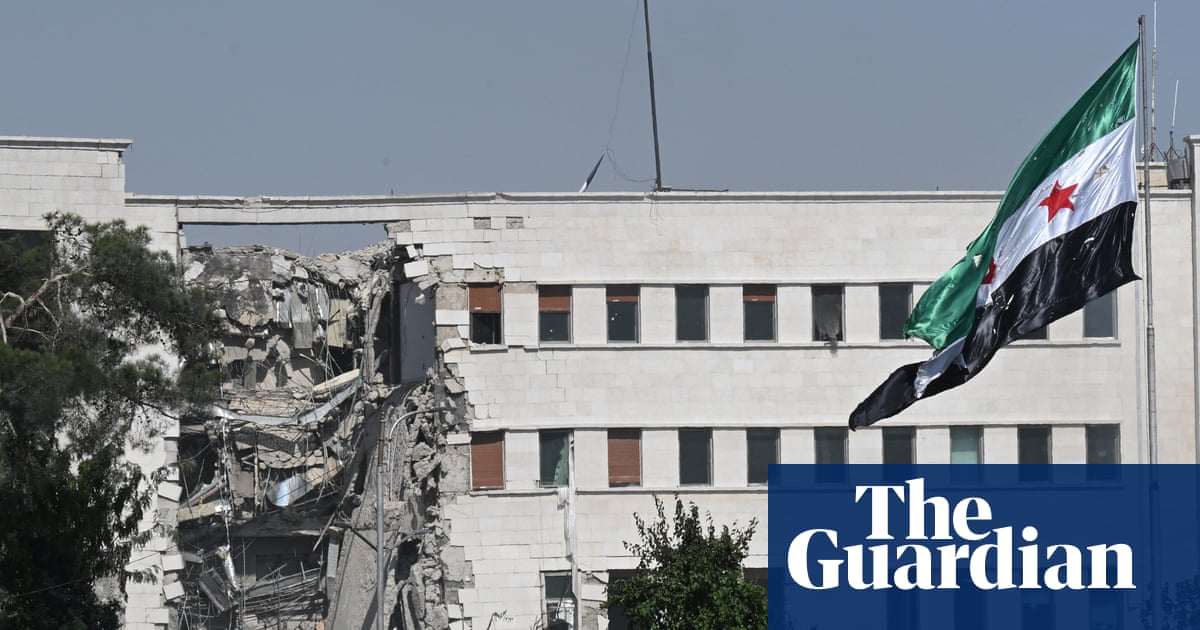
President Trump was reportedly "caught off guard" by recent Israeli strikes in Syria and Gaza, including a deadly attack on a Catholic church, prompting calls to Prime Minister Netanyahu to "rectify" the situations. While a US-brokered ceasefire between Israel and Syria is now largely holding after clashes killed over 1,260, the events underscore a complex and shifting US foreign policy in the region, particularly given the US's recent lifting of sanctions and support for Syria's interim President Ahmed al-Sharaa, a leader of a formerly al-Qaida-aligned group.
The White House's admission that President Trump was "caught off guard" by recent Israeli military strikes in Syria and Gaza introduces a significant element of unpredictability into US-Middle East policy. This lack of coordination occurred despite the administration's public emphasis on a strong and communicative relationship with Prime Minister Netanyahu, creating a notable disconnect between official rhetoric and operational reality. The events unfolded against a volatile backdrop, with a US-brokered ceasefire now tenuously holding after regional clashes killed over 1,260 people. This incident highlights the friction within the US's evolving regional strategy, which includes a major policy shift toward Syria through the lifting of sanctions and engagement with the new government under interim President Ahmed al-Sharaa, a figure who formerly led an al-Qaida-aligned group. While the US successfully brokered a ceasefire, demonstrating its continued influence, the initial intelligence gap signals a potential for miscalculation and rapid escalation among key allies in a highly sensitive region.
AI-powered research, real-time alerts, and portfolio analytics for institutional investors.
Overall Sentiment
neutral
Sentiment Score
0.00
