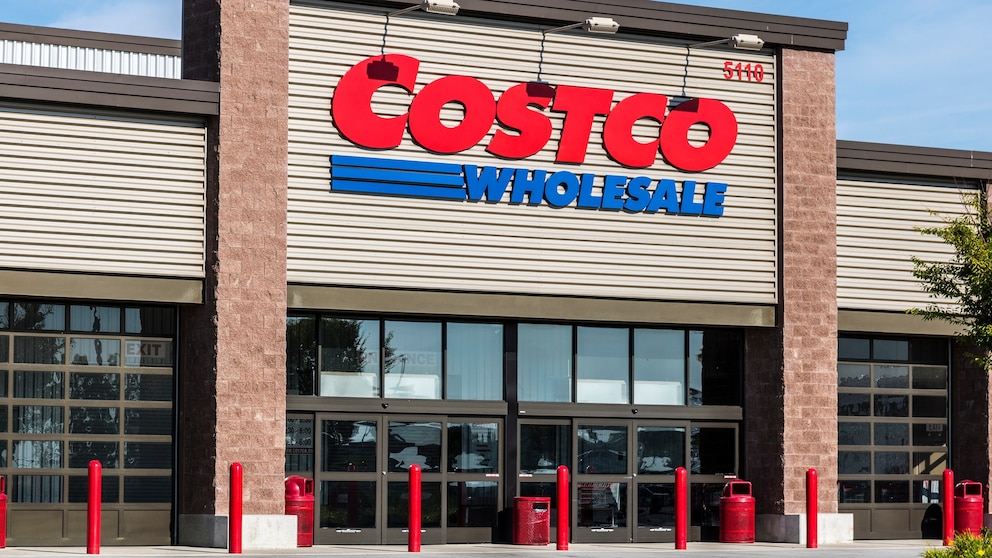
Major U.S. grocery and warehouse chains have published modified holiday hours: Costco is open Christmas Eve (10 a.m.–5 p.m.) and closed Christmas Day; most Kroger banner stores are open until about 8 p.m. on Christmas Eve and closed Christmas Day; Publix closes at 7 p.m. on Christmas Eve and is closed on Christmas Day. Sam's Club and Costco close on Christmas Day and New Year's Day, Trader Joe's and many Whole Foods locations close on Christmas Day (and Trader Joe's also closes New Year's Day), while Walmart, Target and many Kroger/Whole Foods locations operate with varied or shortened hours on the eves and differing New Year's Day policies—check local store pages for specifics.
Market structure: Holiday-hour announcements are operational minutiae, not demand shocks; winners are scale players that capture shifted traffic (WMT, KR, COST, Sam’s) while small grocers and convenience chains lose marginal share. Expect 0–3% holiday sales timing variance concentrated on adjacent days rather than net lost demand; membership models (COST) preserve basket size and pricing power versus promotional-dependent formats (TGT).
Risk assessment: Tail risks include weather-driven distribution interruptions, regional labor strikes or a sudden COVID-like wave that forces extended closures — each could create >5% short-term sales shocks for affected stores. Immediate effects (days) are noise; short-term (4–12 weeks) could show +/-1–3% comps; long-term (quarters) labor cost and inventory rebalancing drive margin compression of 50–200bp if wage inflation persists.
Trade implications: Favor defensive staples and high-turn warehouse models; pricing power and multi-banner scale (KR) are higher-probability winners. Options play: defined-risk call spreads on COST and covered-call overlays on TGT/WMT can exploit muted post-holiday vol; size positions small (1–3% portfolio) and use 6–12 week horizons around Jan comps.
Contrarian angle: The market may over-penalize retailers for single-day closures — consensus underweights loyalty-driven bulk replenishment after holidays. If weekly traffic data (Placer.ai/credit card flows) shows >2% upside vs. consensus for KR/WMT, re-rate multiples; conversely, persistent inventory destocking at TGT would validate a deeper markdown risk.
AI-powered research, real-time alerts, and portfolio analytics for institutional investors.
Request DemoOverall Sentiment
neutral
Sentiment Score
0.00
Ticker Sentiment
