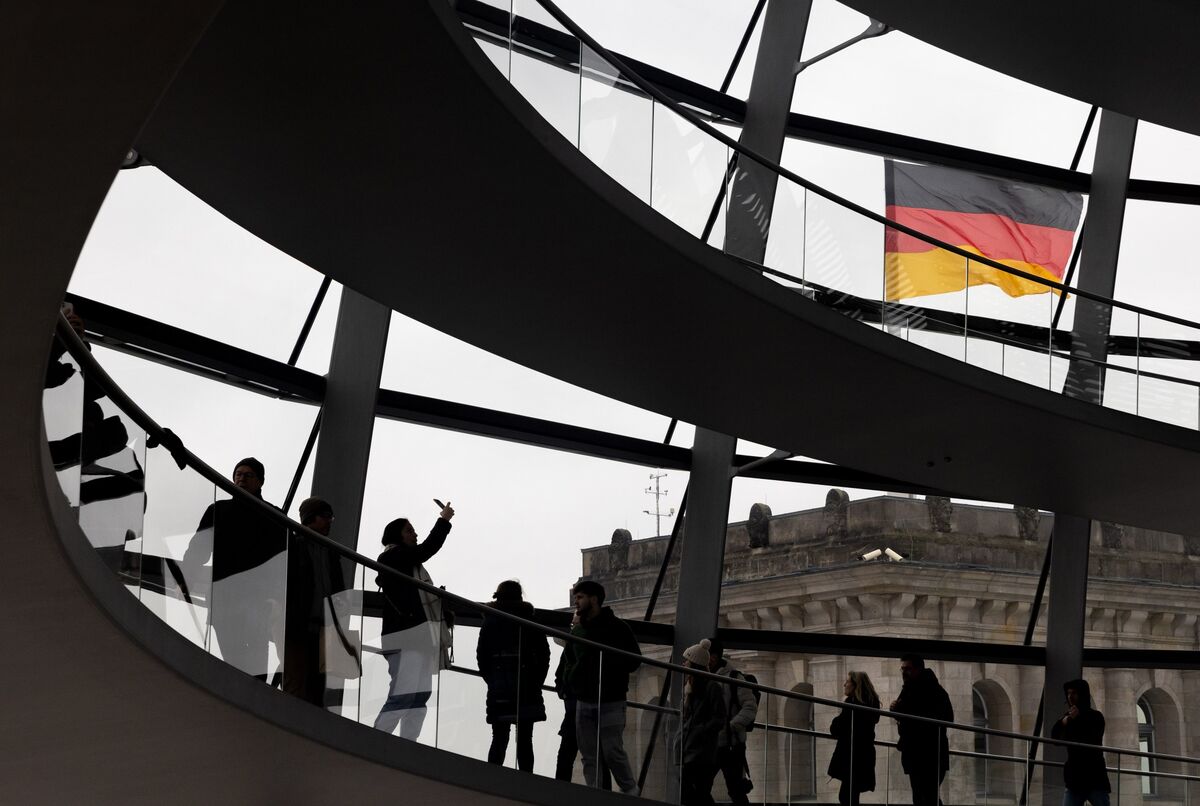
Germany could see 2026 GDP expansion of just 0.5% in a worst‑case scenario if the Iran war drags on, down from the most recent 1% projection (a 50% reduction in expected growth). The figure comes from internal German estimates and signals downside risks to eurozone growth and risk assets if the Middle East crisis persists.
A protracted geopolitical shock is likely to transmit to Germany through demand-channel and real-economy feedback loops rather than a single headline move. Expect discretionary spending (autos, white goods, travel) to reprice quickly as consumers delay big-ticket purchases; that in turn forces OEMs and suppliers into inventory destocking and pushes procurement back into shorter, more volatile order books over 3–9 months.
On the cost side, energy and shipping volatility will create asymmetric pressure: firms with low pricing power see margins squeezed while large exporters with global pricing can be insulated — but only if FX moves help. A weaker euro would mechanically boost foreign-currency revenues, yet the cushion is limited if external demand collapses; simultaneous safe‑haven flows into Bunds can tighten financing conditions for domestic banks and Mittelstand borrowers even as yields fall, creating a mixed credit picture.
Market positioning and catalysts: headline-driven rallies/falls will dominate near-term (days–weeks), but the more consequential moves play out over quarters as orders, capex plans and bank lending standards adjust. Key reversal points are (1) any credible de-escalation diplomatic breakthrough, (2) large German fiscal backstops targeted at consumers or SMEs, or (3) a clear ECB forward-guidance pivot if inflation trends dislocate. Tail risk is escalation triggering energy/commodity spikes that feed into a deeper industrial contraction across Europe.
AI-powered research, real-time alerts, and portfolio analytics for institutional investors.
Request DemoOverall Sentiment
mildly negative
Sentiment Score
-0.30
