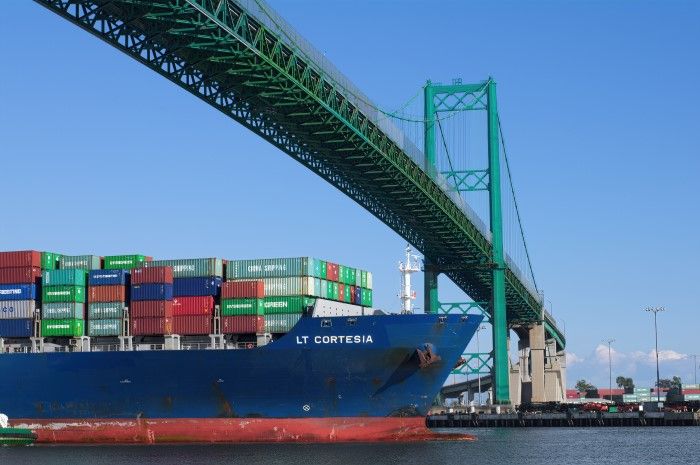
US containerized imports reached an all-time high of 2.609 million TEUs in July, a 17.5% increase from June, primarily driven by tariff-related frontloading. This unprecedented volume, as recorded by PIERS, indicates shippers are accelerating freight movement to pre-emptively beat impending tariffs, with notable frontloading not only from China but also from other targeted regions in Southern Europe and Southeast Asia.
US containerized imports surged to an all-time high of 2.609 million TEUs in July, a substantial 17.5% increase from the previous month. This record volume is not an indicator of organic economic strength but rather a direct consequence of tariff-driven frontloading by US shippers. The strategy to preemptively import goods is broad-based, extending beyond China to include other tariff targets in Southern Europe and Southeast Asia, signaling a widespread, reactive adjustment in global supply chains to US trade policy. While this has created a short-term boom for ports and logistics providers, with most reporting double-digit growth, the trend is likely unsustainable as it represents demand pulled forward from future periods, creating significant uncertainty for import volumes in the coming quarters.
AI-powered research, real-time alerts, and portfolio analytics for institutional investors.
Request DemoOverall Sentiment
moderately positive
Sentiment Score
0.50
Ticker Sentiment
