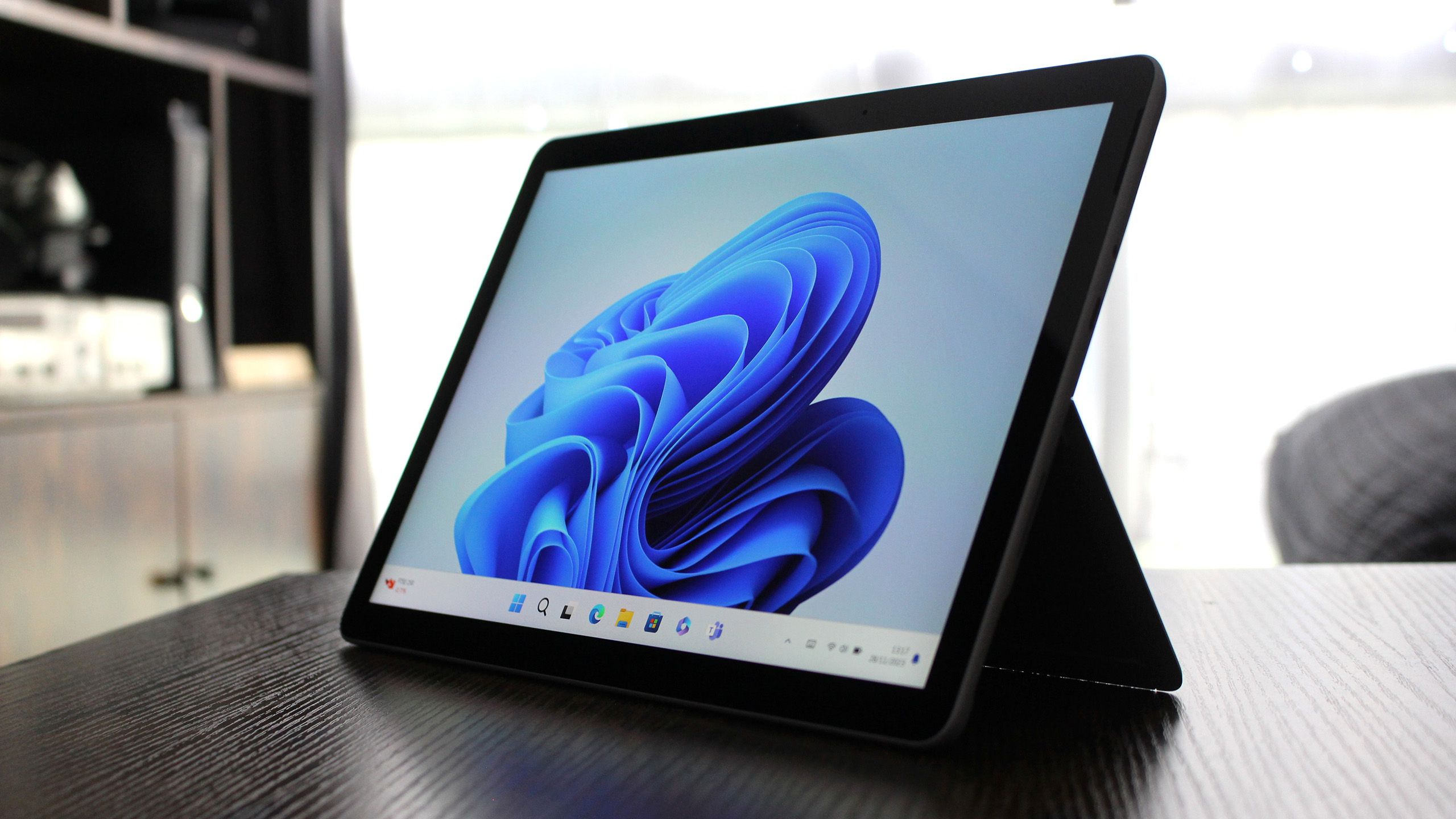
Microsoft will ship Windows 11 version 26H1 exclusively on Qualcomm Snapdragon X2-powered PCs this spring; the build is based on a new platform codenamed Bromine and is intended to deliver under-the-hood performance and stability improvements while remaining feature-par with 25H2. ASUS expects ZenBook A14 and A16 models with Snapdragon X2 to ship with 26H1 preinstalled while Intel/AMD ZenBook S14/S16 will ship with 25H2, and Microsoft says feature development will continue on 25H2 with changes forwarded to 26H1—26H1 is likely to remain an ARM-focused, out-of-cycle release with a broader 26H2 expected in the fall.
Market structure: Qualcomm (QCOM) is the clear near-term beneficiary — exclusive Windows 11 26H1 on Snapdragon X2 plus OEM pre-installs (ASUS ZenBook A14/A16) should lift ASPs and incremental unit share in premium thin-and-light notebooks in spring 2026. Microsoft (MSFT) gets modest upside from enabling the ecosystem but limited pricing power; Intel (INTC) and AMD (AMD) face localized share pressure in designs where OEMs prioritize Arm differentiation. Expect modest uplift to QCOM revenue growth in 1H26 (single-digit percentage points of notebook revenue share) with limited commodity impact and small positive USD/tech equity flows; options IV on QCOM may reprice higher into shipments.
Risk assessment: Tail risks include platform fragmentation (developer/enterprise pushback) that reduces consumer adoption, a Qualcomm supply shortfall or driver/compatibility issues that delay wins, and regulatory scrutiny around exclusive platform bundling. Immediate (days) impact is low; short-term (weeks–months) hinges on QCOM shipment cadence and MSFT/ASUS messaging; long-term (quarters–years) the key is whether Arm notebook share reaches >5–10% in major markets by 2027. Hidden dependencies: OEM pricing incentives, battery life/thermals vs x86 benchmarks, and enterprise image management tooling adoption.
Trade implications: Tactical long QCOM exposure (2–3% portfolio) ahead of spring 2026 shipments is favored, paired with a small hedge in MSFT (1%) or short INTC (1–2%) to express relative platform wins; target a 3–6 month horizon. Options: buy QCOM 3-month near-the-money calls sized to 0.5–1% notional, or call spreads to cap premium; sell OTM INTC calls or buy puts as low-cost hedge if data center weakness continues. Enter within 2–6 weeks; take profits on +20–30% moves or cut at -12% loss.
Contrarian angles: Market consensus may overstate MSFT upside and understate adoption friction — historical mobile-Arm transitions (smartphones) showed fast device wins but slow enterprise conversion. If enterprise imaging and legacy app support lag, QCOM upside caps and Intel/AMD retain pricing power in corporate fleets. Watch for OEM inventory build or aggressive pricing that could compress margins — if ARM notebook share fails to clear 3% by end-2026, rethink longs.
AI-powered research, real-time alerts, and portfolio analytics for institutional investors.
Request DemoOverall Sentiment
neutral
Sentiment Score
0.05
Ticker Sentiment
