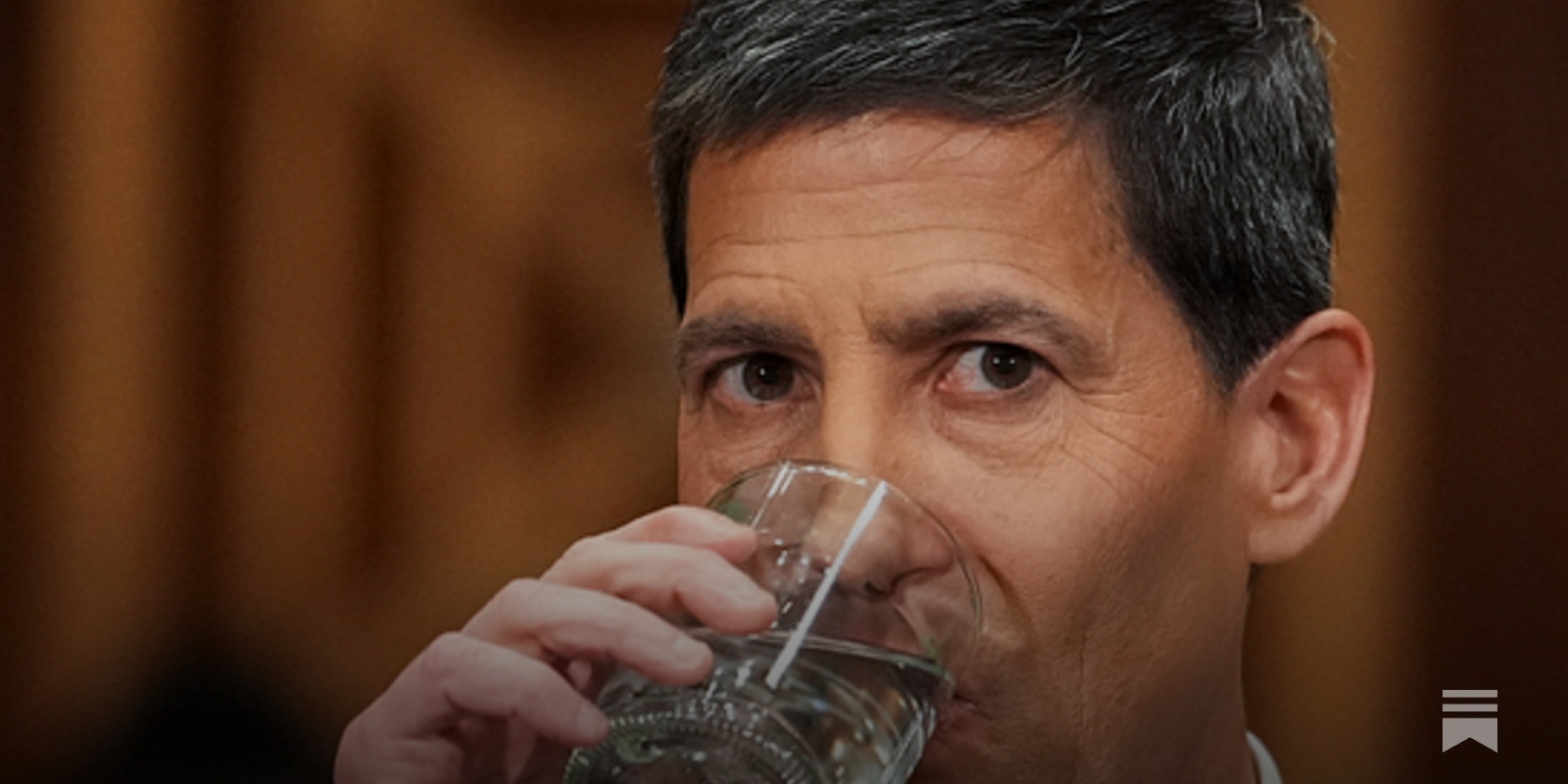
New 30-year Treasury yields rose above 5% for the first time since 2007 as tariffs, war-related shocks, and reaccelerating inflation pressure long-term borrowing costs higher. The article argues this leaves the newly installed Fed chair Kevin Warsh unable to deliver Trump’s expected rate cuts, with markets not pricing additional cuts through at least end-2027 and rate hikes becoming more likely. Higher yields raise U.S. debt-service costs, tighten financial conditions across mortgages and consumer credit, and increase the risk of political conflict with the White House.
The market message is not just “higher for longer,” but a growing probability of a policy error regime where inflation expectations become less anchored while political pressure suppresses the Fed’s ability to react credibly. That combination is toxic for duration: the front end may eventually price more cuts if growth weakens, but the back end can stay stubbornly heavy because term premium is re-rating upward on both inflation risk and institutional risk. The second-order winner is not banks per se, but businesses with real pricing power and short-duration cash flows. Long-duration assets — housing, leveraged cyclicals, and unprofitable growth — face a double hit: higher discount rates and tighter consumer credit as mortgages, auto loans, and revolvers reprice off a more expensive sovereign curve. The more important spillover is fiscal: every sustained 50-75 bps increase in long-end funding costs compounds deficits mechanically, crowding out any future countercyclical response and reinforcing the bearish bond loop. Catalyst path matters. In the next 1-3 months, the risk is another inflation print or auction result that forces the curve to re-test the upper end of recent ranges; over 6-12 months, the decisive risk is whether the labor market softens fast enough to let the Fed cut without losing credibility. If not, the market can migrate toward a stagflation pricing regime where both equities and duration underperform while cash and short bills regain appeal. The consensus is likely underestimating how quickly political interference can add a risk premium to Treasuries even absent a formal default scare. The contrarian angle: the move in long bonds may be less about imminent runaway inflation than about compensation for institutional degradation, which is harder to reverse than macro data. That argues for respecting the trend in yields even if headline CPI stabilizes. But if growth rolls over sharply, the first reaction may still be a violent rally in the long end before inflation worries reassert themselves — so this is not a blind short-bond story, but a volatility story around a regime shift.
AI-powered research, real-time alerts, and portfolio analytics for institutional investors.
Request DemoOverall Sentiment
strongly negative
Sentiment Score
-0.65
