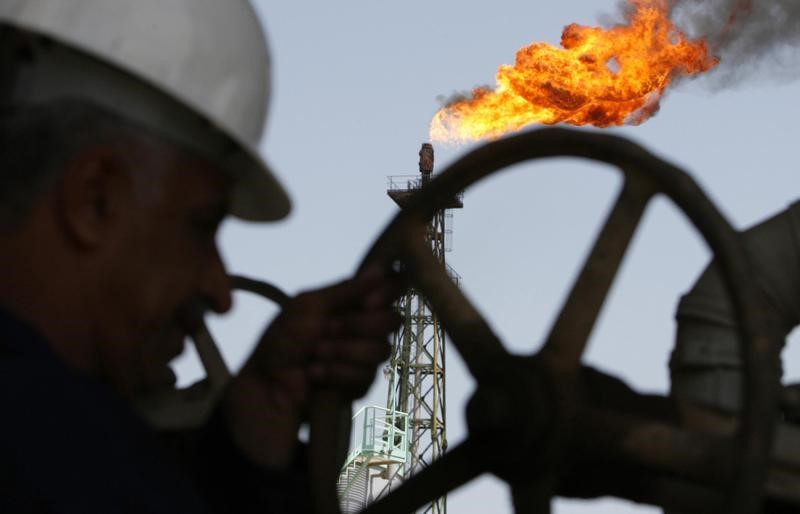
Brent crude rose 0.3% to $104.52 a barrel and WTI gained 0.3% to $98.33 as U.S.-Iran tensions intensified and ceasefire hopes faded. Trump called the truce with Iran "on life support" and described Tehran’s response to a peace proposal as "totally unacceptable," renewing concerns over Strait of Hormuz shipping and global oil supply. The article also notes investors are watching upcoming inflation data and Trump’s meeting with Xi Jinping for additional market direction.
The market is pricing a higher geopolitical risk premium, but the more important second-order effect is not just higher spot oil — it is the widening gap between immediate headline risk and physical supply normalization. Even if shooting stops, the bottleneck through the transit corridor means inventories, freight rates, and regional crude differentials can stay dislocated for weeks to months, which supports refiners with secured feedstock while penalizing end-users facing spot replacement costs. Energy producers with low lifting costs and export flexibility should outperform integrated names that are more exposed to downstream margin compression and any policy-driven backlash. The winners are also likely to be non-obvious logistics beneficiaries: tanker owners, marine insurers, and select LNG/shipping names if rerouting and security costs persist. Conversely, airlines, chemicals, trucking, and discretionary consumer names face a delayed but sharper input-cost squeeze if crude holds above current levels for even 2-4 weeks. The main catalyst path is binary and fast-moving: a diplomatic headline could unwind the premium in days, while any disruption to shipping lanes would create a multi-month pricing shock. The consensus underestimates how quickly futures can fade if physical flows remain intact; in that case, speculative length is vulnerable to a sharp liquidation. But the market is likely underestimating the probability that even a "resolved" conflict still leaves freight, insurance, and regional crude benchmarks structurally tighter into the next quarter. The best risk/reward is to own convexity around the headline window rather than chase spot direction outright. Short-dated oil upside hedges make sense if the tape is still complacent, while duration exposure to oil-sensitive equities should be reduced because their earnings multiple compression can lag the first price move and then accelerate once fuel costs feed through. The cleaner expression is relative value: long energy and logistics beneficiaries versus transport and industrial fuel consumers.
AI-powered research, real-time alerts, and portfolio analytics for institutional investors.
Request DemoOverall Sentiment
neutral
Sentiment Score
-0.10
