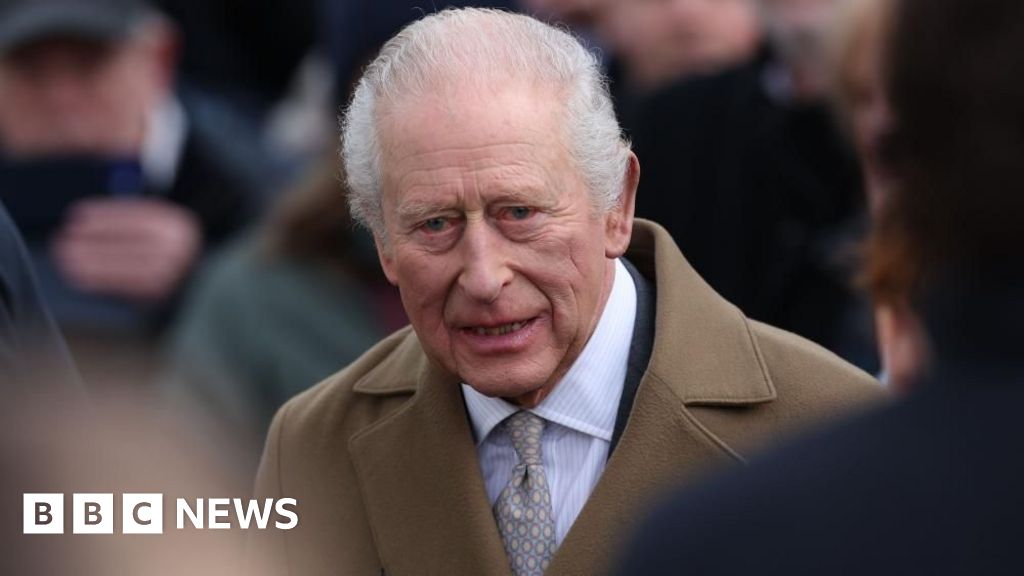
King Charles has publicly expressed 'profound concern' and Buckingham Palace said it will support Thames Valley Police as they assess a complaint by the anti‑monarchy group Republic alleging Prince Andrew passed confidential official material to Jeffrey Epstein. Newly released emails suggest Andrew forwarded official trip reports and purportedly confidential investment details to Epstein in 2010; Andrew denies wrongdoing and was previously stripped of titles. The development heightens reputational and political risk around the royal household and could prompt legal scrutiny, but it carries minimal direct market impact.
Market structure: The immediate winners are UK and global media outlets, legal advisers, and crisis-PR firms — they capture traffic, fees and short-term ad spend; losers are monarchy-linked tourism/heritage operators and high-profile hospitality brands exposed to reputational spillover. Pricing power shifts briefly to publishers (CPMs can rise 10–40% in days) while demand for forensic legal/PR services increases fixed-fee work and short-term billings.
Risk assessment: Tail risks include a formal criminal probe or parliamentary inquiry that triggers sustained political instability and a 100–200bp risk-premium on UK assets; low probability but high impact within 1–6 months. Hidden dependencies include election timing and regulatory scrutiny of envoy conduct that could raise compliance costs for FTSE 350 firms; catalysts are police confirmation, further document releases, or high-profile legal filings within 30–90 days.
Trade implications: Expect a short-duration volatility window (days–weeks) in media and consumer-exposure names and modest FX/gilt moves; tactically favor short GBP skew and hedged exposure to UK domestic cyclicals while picking up media names on momentum. Options can efficiently express 1–3 month directional risk: buy puts if police open formal investigation or if Cable breaches technical levels.
Contrarian angles: Consensus may overstate long-term damage to UK macro/tourism — historical royal scandals (eg 1990s) caused sharp but transient tourism and sentiment hits; if no formal charges within 60–90 days, anticipate mean reversion and a 5–12% rebound in overly sold UK domestic names. Unintended consequence: increased spend on compliance and reputational insurance, creating a multi-quarter revenue stream for niche professional services.
AI-powered research, real-time alerts, and portfolio analytics for institutional investors.
Request DemoOverall Sentiment
moderately negative
Sentiment Score
-0.35
