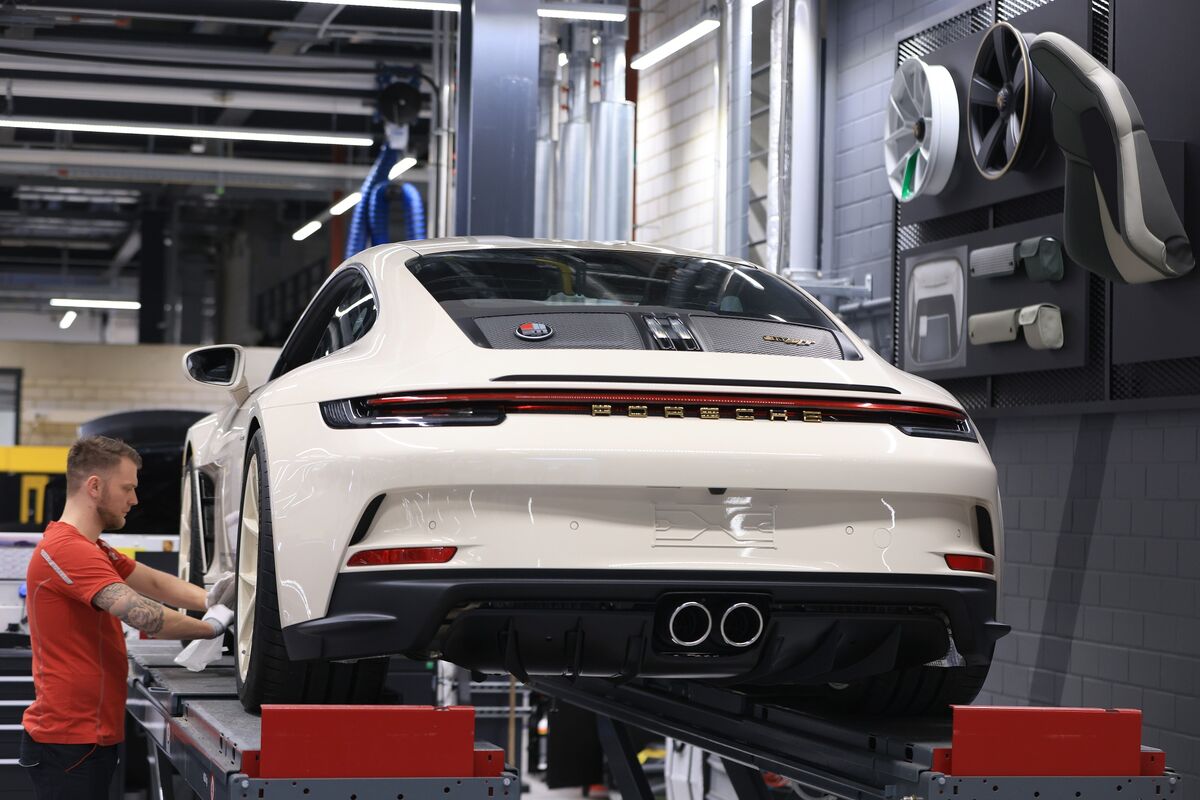
The U.S. has lowered tariffs on European Union auto imports to 15%, retroactive to August 1, officially cementing the terms of a framework trade agreement established this summer. This action, detailed in a document published by the Department of Commerce and USTR, reduces duties on a range of goods, signaling progress in U.S.-EU trade relations and potentially benefiting EU automakers exporting to the U.S. market.
The United States has formalized a key component of its summer trade agreement framework with the European Union by lowering tariffs on auto imports to 15%, with the change made retroactive to August 1. This action, officially published by the Department of Commerce and the USTR, represents a tangible de-escalation in transatlantic trade friction and provides immediate, concrete relief for affected supply chains. While the primary focus is on the automotive sector, the published document also indicates a reduction in duties on a broader range of goods, suggesting a wider scope of beneficiaries than initially apparent. The moderately positive market sentiment (score: 0.6) underscores this as a constructive development, though the low market impact score (0.35) implies that the event, while favorable, is not considered a transformative catalyst and was likely partially priced in by the market.
AI-powered research, real-time alerts, and portfolio analytics for institutional investors.
Request DemoOverall Sentiment
moderately positive
Sentiment Score
0.60
