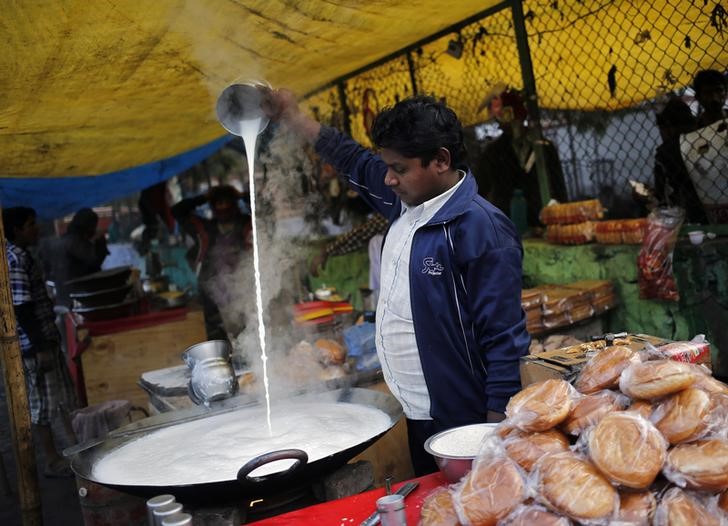
Closure of the Strait of Hormuz amid a month-long Persian Gulf conflict has triggered an acute LPG shortage in India, forcing vendors to switch to kerosene/coal and pushing roadside meal prices up ~25% while black‑market LPG prices have reportedly risen up to 4x for some low-income households. New Delhi has invoked emergency powers to prioritize domestic LPG, is adding ~10,000 PNG connections per day (currently covering ~60% of national demand) and has carried out over 3,000 anti-hoarding raids, but commercial users remain largely sidelined. The supply shock risks curbing consumer spending, spurring possible urban-to-rural migration and weighing on Indian manufacturing and service-sector growth as regional energy market instability persists.
The immediate macro transmission is through energy substitution and logistics cost, not just headline fuel shortages. Expect freight and tanker insurance spreads to remain elevated for weeks and add a structural surcharge to imported commodities; every additional 7–10 days of voyage time or 20–30% higher insurance pushes marginal landed cost of imported feedstocks into input-cost-driven margin compression for mid-cap manufacturers. Municipal and utility balance sheets will be the pressure point: faster-than-planned switching to piped gas boosts capex and receivable cycles for local distributors, while concentrated government procurement/subsidy interventions increase contingent fiscal exposure and politicize pricing for refiners.
At the sector level, the convexity is asymmetric. Upstream and midstream players with optionality to reallocate LPG/propane to domestic markets can capture outsized near-term margin uplift, but that comes at the cost of export revenue and inventory depletion — if supply normalizes quickly the reversion can be sharp. Consumer-facing micro and small enterprises are highest beta to this shock; an outsized urban-to-rural migration would structurally reduce metro-centric discretionary demand for 6–18 months, compressing valuations for listed restaurant and catering chains. Policy and diplomatic catalysts are binary: a rapid de-escalation or insurance market normalization would reverse price shocks within weeks, whereas prolonged disruption forces multi-quarter demand reallocation and permanent capex shifts into alternative fuels and logistics.
AI-powered research, real-time alerts, and portfolio analytics for institutional investors.
Request DemoOverall Sentiment
strongly negative
Sentiment Score
-0.60
