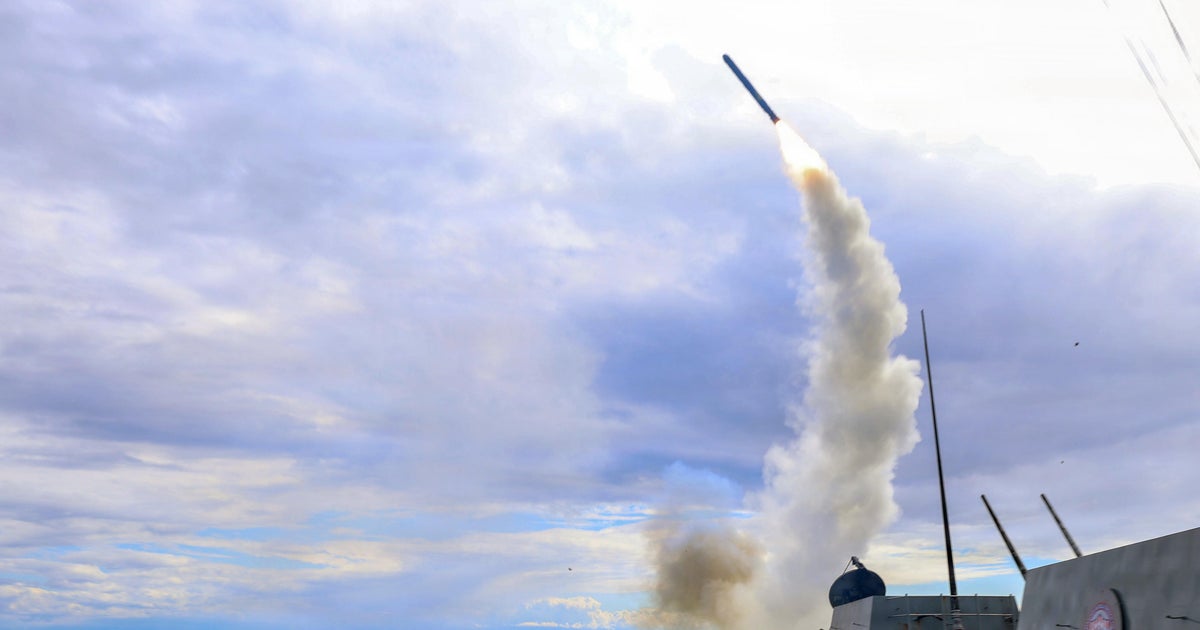
U.S. forces have used over 850 Tomahawk missiles in the Iran conflict (roughly 9x the Pentagon's average annual procurement of ~90), contributing to an estimated inventory of ~3,100 and reports that nearly 1,000 have been expended since June 2025. Industrial maximum capacity is estimated at ~2,330 missiles/year (contracts: three @600 and one @530), but current procurement and Navy requests are far lower (actual procurement ~90/yr; Navy requested 57 for FY2026); RTX announced a framework to scale production toward ~1,000/yr over several years. At ~$2.2M–$4M per missile, continued high usage creates near-term supply and budgetary pressures for defense contractors and U.S. long-range strike readiness.
The immediate operational drawdown of long‑range stockpiles is exposing a multi-year mismatch between wartime demand and an industrial base built for steady-state procurement. Building capacity is capital‑ and time‑intensive: expect meaningful revenue recognition and margin improvement for prime contractors only after multi‑quarter capacity investments, supplier qualification, and wet‑fire testing are complete, which pushes most upside into the 12–36 month window rather than the next quarter.
Second‑order winners will be firms that supply high‑value, hard‑to‑requalify subassemblies (guidance electronics, seekers, composite airframes and test labs). Those vendors will get pricing power and longer lead orders, but also bear execution risk — missed deliveries or quality issues create substitution opportunities for rivals and political scrutiny that can reprice contract terms mid‑cycle.
Key catalysts to watch are (1) tranche timing and structure of multi‑year framework awards, (2) congressional supplemental funding and how it allocates to urgent vs. sustainment line items, and (3) quarterly backlog disclosures that show real vs. aspirational build rates. Tail risks: rapid escalation that forces inventory rationing and changes mix toward cheaper munitions, or supply‑chain bottlenecks that trigger cost‑share renegotiations and margin compression for primes.
Consensus misses the tempo problem: the headline of ‘capacity expansion’ understates the lag between contract award and usable missile output. For investors that horizon matters — downside is concentrated in the near term, while upside compounds for firms that snag long lead supplier positions or locked pricing across several years.
AI-powered research, real-time alerts, and portfolio analytics for institutional investors.
Request DemoOverall Sentiment
mildly negative
Sentiment Score
-0.25
Ticker Sentiment
