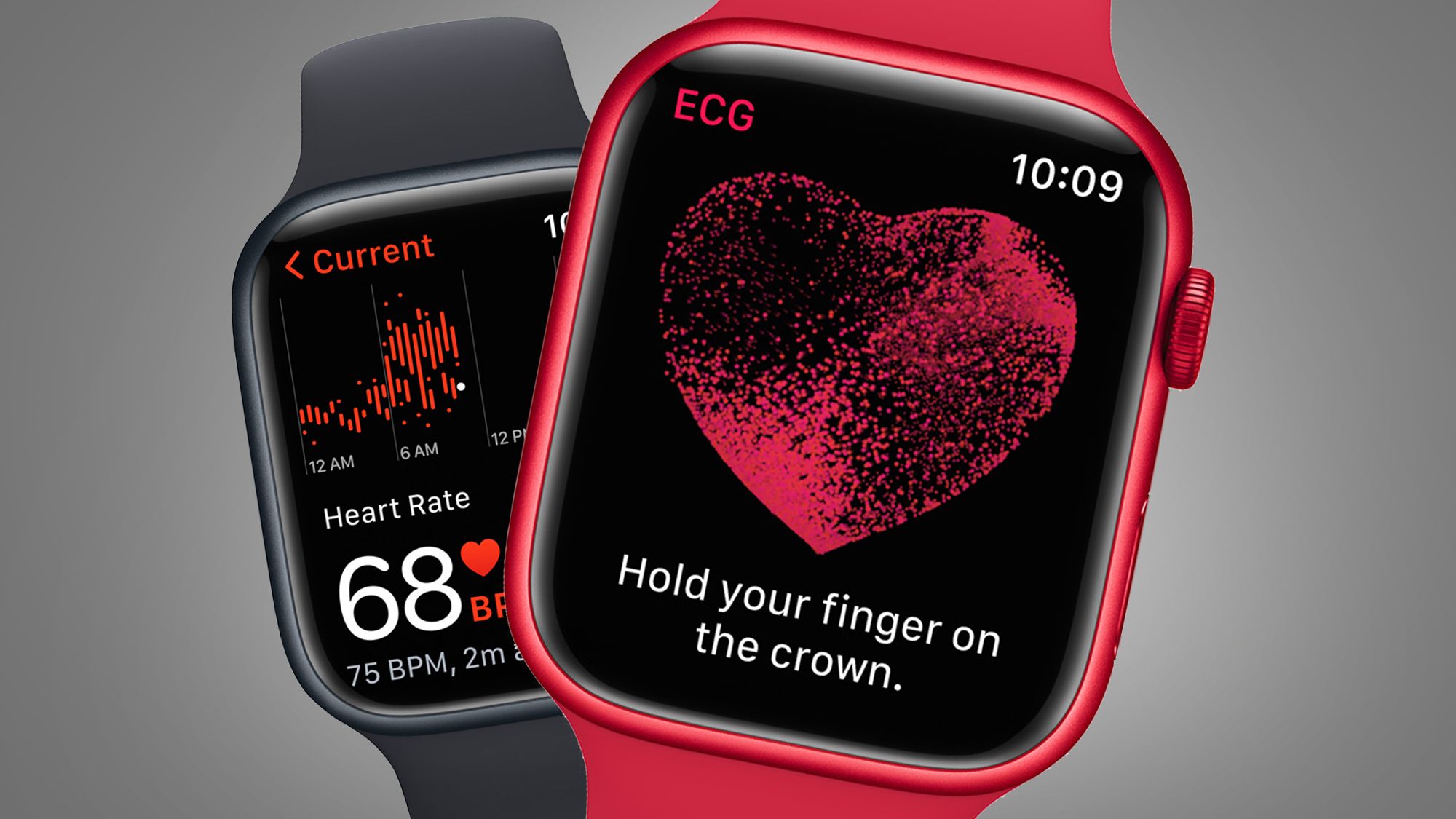
A study published in the Journal of the American College of Cardiology by Amsterdam UMC found that among patients over 65 at elevated stroke risk, 21 of 219 using an Apple Watch were diagnosed with atrial fibrillation (57% asymptomatic) versus 5 diagnoses in 218 control patients, a roughly fourfold increase in detection. Researchers argue that smartwatch detection could expedite diagnosis, reduce stroke risk and lower healthcare costs—potentially offsetting device costs—while noting Apple Watch features are FDA-cleared for consumer alerting but not certified for formal medical use, implying opportunities for device adoption and healthcare partnerships rather than immediate regulatory clearance.
Market structure: The Amsterdam UMC study (n≈437; 4x detection in Apple Watch cohort) accelerates a shift where consumer wearables become front-line diagnostic gates. Immediate winners are AAPL (hardware + services upside), large insurers/hospital systems that can cut stroke treatment costs; losers are niche ambulatory-ECG vendors and legacy remote-monitoring hardware whose unit demand may shrink by mid-to-long term. Adoption that reaches even 5–10% of the 65+ at‑risk cohort within 2–3 years implies low‑single-digit percentage growth to Apple’s wearables revenue and higher lifetime services ARPU.
Risk assessment: Tail risks include regulatory pushback (liability, FDA/CE restrictions), large-scale false‑positive litigation, and privacy regulations that could curb data monetization — any of which could erase gains in 6–24 months. Short-term market moves (days–weeks) will be driven by news of insurer pilots; medium/long-term (12–36 months) hinges on CMS/insurer reimbursement decisions and peer‑review replication of the study. Hidden dependencies: clinician acceptance, interoperability with EHRs, and supply‑chain capacity for incremental watch volumes.
Trade implications: Direct play is AAPL equity or 12–24 month LEAPS call exposure sized conservatively (0.5–2% portfolio) ahead of insurer/CMS catalysts; pair trades favor long AAPL / short small-cap ambulatory‑ECG vendors (or trim pure-play device exposure). Options-wise, use limited‑risk call spreads to capture adoption upside while selling short-dated puts to finance premium if volatility is muted. Rotate modest capital from cyclical med‑device names into tech wearables and large insurers (UNH) over 1–6 months.
Contrarian angle: Consensus undervalues adoption friction — reimbursement and medico‑legal pushback could delay scale for 12–36 months, so immediate price reaction may be overdone. Historical parallel: CGM reimbursed adoption took years despite clear clinical benefit; expect staged rollout and selective wins for AAPL. Trade accordingly: stage buys, increase on concrete insurer/CMS moves, and guard downside with defined-risk options.
AI-powered research, real-time alerts, and portfolio analytics for institutional investors.
Request DemoOverall Sentiment
mildly positive
Sentiment Score
0.35
Ticker Sentiment
