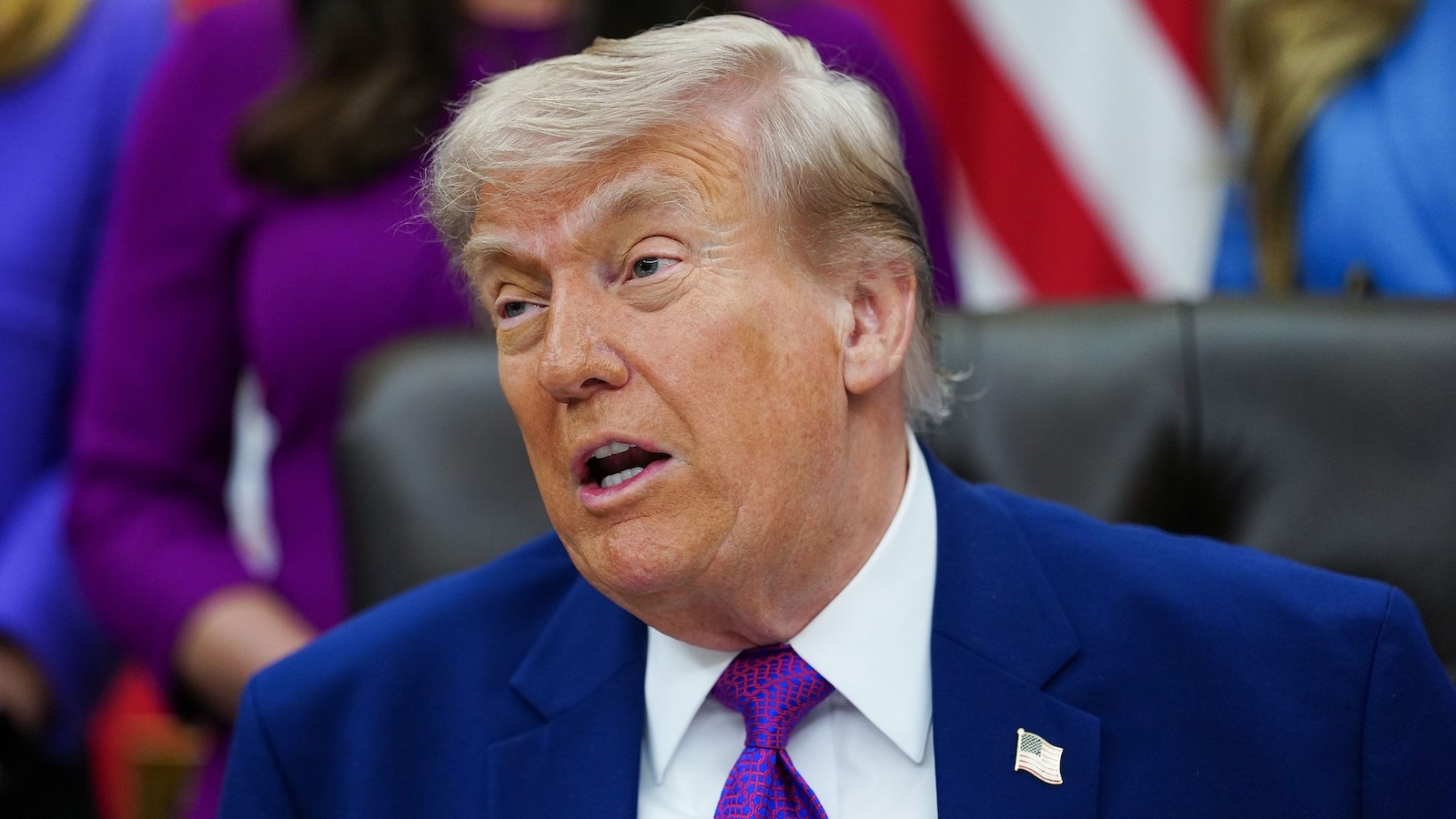
Trump said he wants to temporarily suspend the 18.4-cent federal gas tax on regular gasoline and the 24.4-cent diesel tax, with the national U.S. average gas price at $4.52 per gallon, up more than $1.50 since the Iran war began. The move would require congressional approval, and Trump acknowledged the tax cut would only modestly reduce costs. The article also points to elevated oil and gas prices driven by the shutdown of the Strait of Hormuz, making this a market-wide energy and inflation story.
The immediate market reaction should be less about the penny-sized tax cut itself and more about what it signals: Washington is preparing a visible consumer-relief response to an energy shock that is still fundamentally supply-driven. That tends to support the politically sensitive end of the curve first — gasoline-linked refiners and retail fuels margins may stay firm near-term if retail prices remain sticky while headline policy rhetoric caps expectations for further upside. The bigger second-order effect is that any federal tax holiday debate increases the odds of state-level offsets, SPR release talk, and pressure on downstream firms to “share” relief, which can compress margins even if crude stays elevated.
For equities, the more durable beneficiary is not the integrateds but the group exposed to sustained crack spreads and constrained throughput: refiners with large domestic distribution footprints and low leverage to crude direction can keep outperforming if product prices lag crude. Conversely, transport, airlines, and consumer discretionary face a lagged margin hit over the next 1-2 quarters because fuel hedges roll off and consumers do not fully offset the higher cost of commuting with a small tax adjustment. If this policy chatter persists while crude remains elevated, the market may begin to price a higher probability of demand destruction rather than a pure supply shortage, which would eventually flatten the curve and punish front-month energy exposure.
The key contrarian point is that a gas-tax suspension is a poor macro tool but an effective political signal; that means the move is more likely to change expectations than actual economics. If lawmakers seriously engage, the market may infer that the administration is willing to absorb short-term fiscal cost to protect consumer sentiment, which can be bearish for inflation breakevens and supportive of rate-sensitive assets even before any policy passes. The real risk is a quick de-escalation in the Middle East: if shipping lanes reopen, gasoline could gap lower faster than policy can be enacted, leaving “policy winners” crowded and unwound.
In short, the trade is a tactical hedge against persistent retail fuel inflation, not a structural energy bull case. The best setup is to own downstream cash generators and own optionality on a reversal in crude once political resolution risk rises, while avoiding consumer-facing sectors with weak pass-through. Watch for legislative movement over days, but the meaningful P&L impact on inflation-sensitive sectors plays out over weeks to months as retail prices and consumer behavior adjust.
AI-powered research, real-time alerts, and portfolio analytics for institutional investors.
Request DemoOverall Sentiment
mildly negative
Sentiment Score
-0.15
