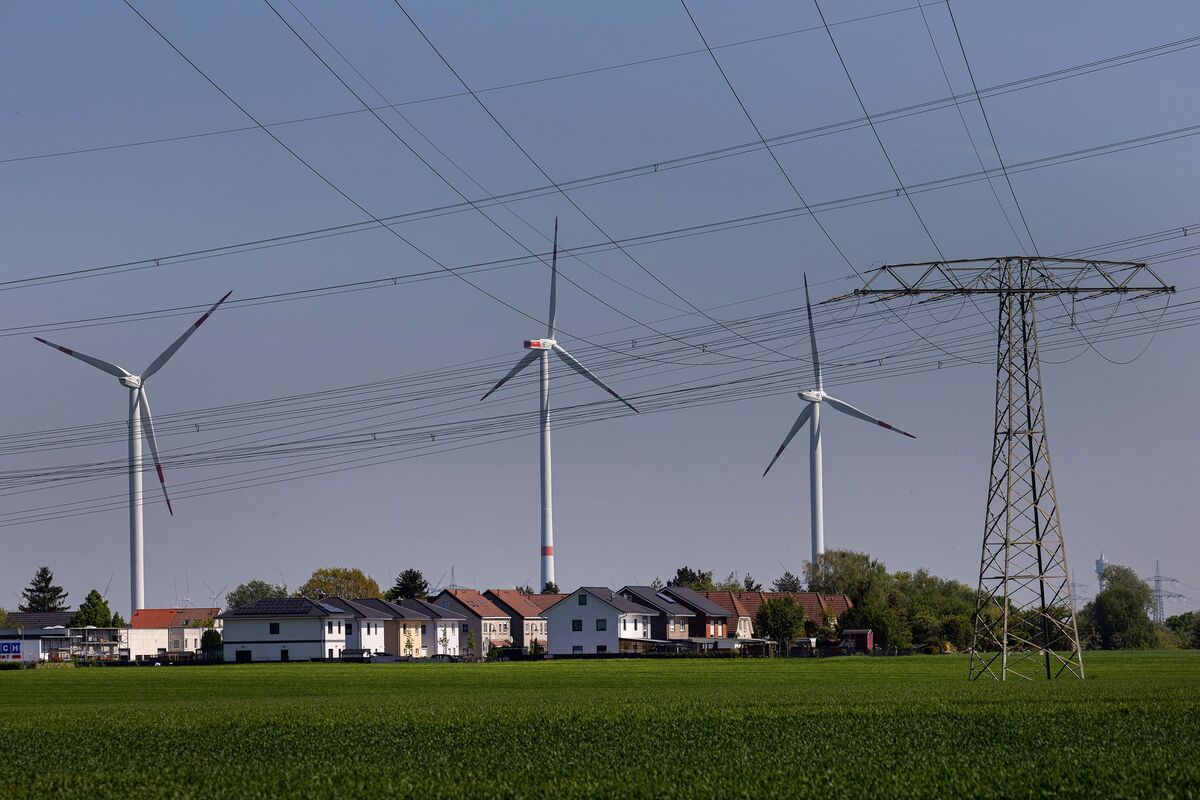
Europe is implementing its most significant power market reform in years by introducing 15-minute day-ahead trading blocks via the Epex Spot SE exchange, replacing the traditional hourly system, effective this Tuesday. This change is designed to better integrate the increasing reliance on intermittent renewable energy sources, potentially leading to more granular price discovery and requiring adjustments to trading strategies and risk management for institutional investors in the volatile European power market.
The European power market is undergoing a significant structural reform with the introduction of 15-minute trading blocks for day-ahead pricing, a shift from the traditional hourly system. This change, implemented by the Epex Spot SE exchange in Paris, is a direct response to the increasing reliance on renewable energy sources. The previous hourly model was designed for predictable demand shifts, but the new 15-minute auction system provides more granular price discovery necessary to manage the intermittency of solar and wind power. This evolution is expected to increase intra-day price volatility but also create new arbitrage opportunities for sophisticated market participants who can adapt to more rapid price fluctuations. The moderately positive sentiment and market impact signals suggest that this is viewed as a necessary and progressive step toward creating a more efficient and responsive grid capable of integrating a higher share of renewables.
AI-powered research, real-time alerts, and portfolio analytics for institutional investors.
Request DemoOverall Sentiment
moderately positive
Sentiment Score
0.60
