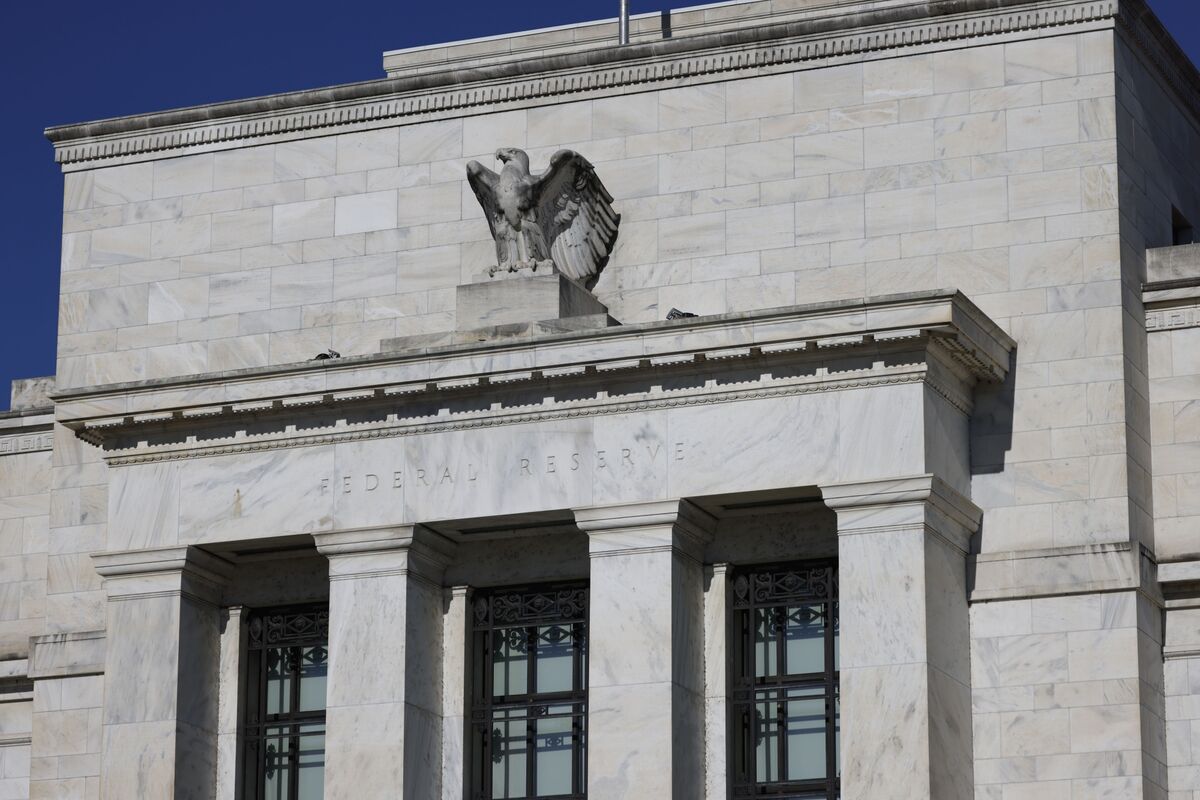
President Trump is scheduled to visit the Federal Reserve on Thursday, an unusual engagement occurring amidst his persistent public criticism of Fed Chair Jerome Powell for not lowering interest rates and escalating concerns over the central bank's renovation costs. This direct interaction highlights the ongoing political pressure on the independent institution regarding monetary policy.
The scheduled visit of President Trump to the Federal Reserve marks a significant and unusual escalation of political pressure on the central bank's independence. This direct engagement occurs against a backdrop of the President's sustained public criticism of Chairman Jerome Powell's monetary policy, specifically the lack of interest rate cuts, and rising scrutiny over the Fed's renovation expenditures. The event's mildly negative sentiment score of -0.35 and uncertain tone reflect market apprehension regarding the potential for political influence to sway monetary policy decisions. With a moderate market impact score of 0.55, investors are clearly attentive to any developments that could alter the future path of interest rates, highlighting the tangible risk that this intersection of domestic politics and central banking poses to policy predictability.
AI-powered research, real-time alerts, and portfolio analytics for institutional investors.
Request DemoOverall Sentiment
mildly negative
Sentiment Score
-0.35
