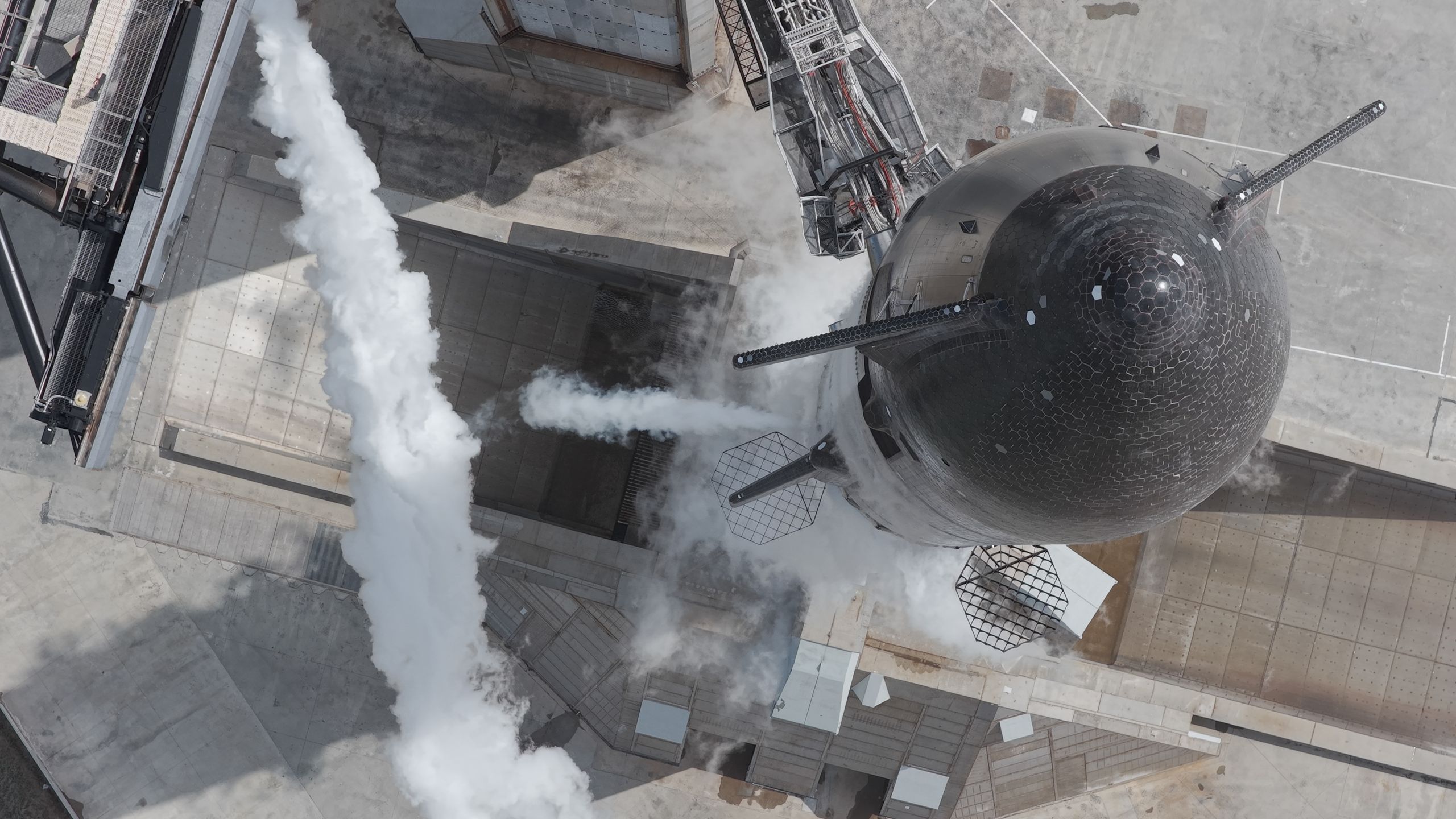
SpaceX is preparing for the May 19 debut of Starship V3, a redesigned vehicle that is about 5 feet taller, uses new Raptor 3 engines, and is intended to support full reusability and orbital refueling. The new version adds larger grid fins, a redesigned hot stage ring, upgraded fuel transfer and cryogenic propellant systems, and a more capable Ship upper stage to support NASA Artemis missions. The launch is an important technical milestone, but the article is mainly a product and development update rather than a direct financial catalyst.
The market should treat this less as a “successful test launch” story and more as a manufacturing-rate and systems-integration inflection. If V3 works, the economic value is not the one-off mission itself; it is proof that SpaceX can move from bespoke experimental hardware to a repeatable flight cadence, which is the precondition for any credible in-space refueling network and for monetizing heavy-lift at scale. That shifts the narrative from headline risk to optionality creation, because the long-dated prize is not launch revenue but dominance in orbital logistics and lunar infrastructure. The bigger second-order effect is competitive pressure on the entire launch supply chain. A cleaner, more reusable architecture with fewer parts and higher engine commonality should compress component demand per flight over time, which is bearish for legacy aerospace suppliers tied to expendable-stage content, but bullish for vendors exposed to SpaceX’s internal buildout and rate ramp. The real bottleneck is now likely to be software, cryogenic handling, and pad turnaround rather than raw propulsion, so any delay in propellant transfer or reentry validation would push the timeline out by quarters, not days. NASA timing creates a sharp binary around the next 12-24 months. The near-term catalyst is whether V3 can demonstrate the subsystems that matter for crewed lunar architecture; failure would not just slow Starship, it could force NASA to lean harder on backup lander paths and reduce confidence in the Artemis schedule. Conversely, a clean V3 execution would likely re-rate expectations for SpaceX-adjacent private markets and strengthen the case for additional capital to scale launch infrastructure. Consensus is probably underestimating how much of this is an execution-quality trade, not a pure technology trade. The upside case is large, but the stock market implication is that the first visible bottleneck will be schedule credibility rather than engineering feasibility; the sharpest reaction will come if SpaceX strings together two or three clean milestones, not from a single launch. That creates a classic asymmetric setup: limited near-term monetization, but a meaningful reduction in terminal risk if refueling and recovery tests start to compound successfully.
AI-powered research, real-time alerts, and portfolio analytics for institutional investors.
Request DemoOverall Sentiment
mildly positive
Sentiment Score
0.25
