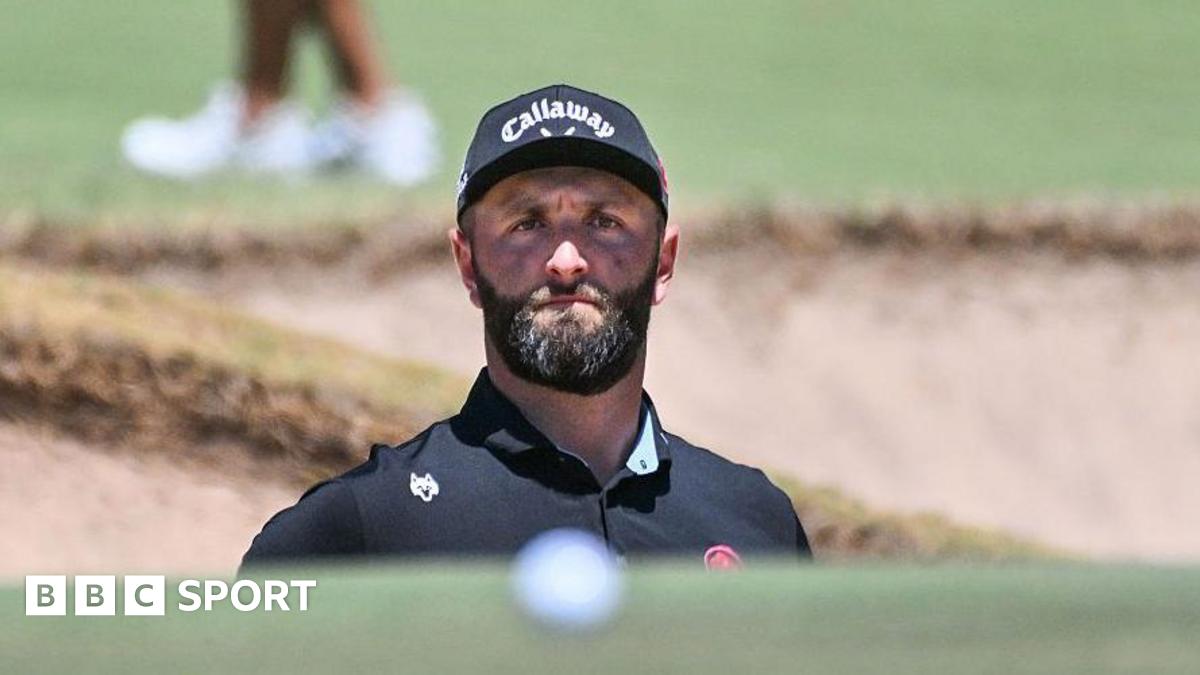
Jon Rahm publicly accused the DP World Tour of 'extorting players' after eight golfers were granted releases to play in LIV Golf events conditional on waivers that reportedly include payment of outstanding fines (around £2.5m), withdrawal of appeals and commitments to play specified DP World Tour tournaments. Rahm refused to sign because he objects to a requirement to play six DP events, offering to sign if reduced to four, and warned the dispute could imperil his Ryder Cup eligibility; the DP World Tour declined to comment.
Market structure: This is a battle for scarcity of marquee players — winners are large global broadcasters and betting operators that can aggregate fragmented inventory ( Comcast CMCSA, Disney DIS, DraftKings DKNG); losers are smaller regional promoters and any medium‑sized rights buyers who rely on exclusive lineups. For supply/demand, high‑impact players are a constrained supply while fan demand for star-driven events remains inelastic, putting upward pressure on appearance fees and selective event pricing over 6–24 months.
Risk assessment: Tail risks include an antitrust/legal escalation (class actions or government intervention) or a rapid settlement that creates exclusive leagues; probability low (<15%) but impact high (media rights repricing, sponsor contract resets). Immediate (days) volatility in ticketing/odds; short term (30–180 days) legal/settlement catalysts; long term (1–3 years) structural consolidation of tours and rights. Hidden dependencies include sponsor contract clauses and Ryder Cup selection rules that can shift cash flows quickly.
Trade implications: Favor large-cap, diversified sports media/betting and premium apparel names that monetize star visibility (CMCSA, DKNG, NKE) via defined-option structures; avoid small European niche promoters and long‑dated exposure to boutique leisure plays. Options are useful to buy convexity around settlement windows (30–90 days) and Ryder Cup lineup announcements (next 12 months).
Contrarian angle: Consensus treats this as PR; misses that DP World Tour’s leverage to demand six events signals they can extract recurring fees or guaranteed appearances, which could raise top‑tier player compensation by 10–30% and benefit sponsors/rights holders. Historical parallels: league wars (NFL/AFL) ended in consolidation that revalued rights substantially; unintended consequence — fan fragmentation could temporarily depress per‑event ratings while aggregate monetization rises.
AI-powered research, real-time alerts, and portfolio analytics for institutional investors.
Request TrialOverall Sentiment
moderately negative
Sentiment Score
-0.30
