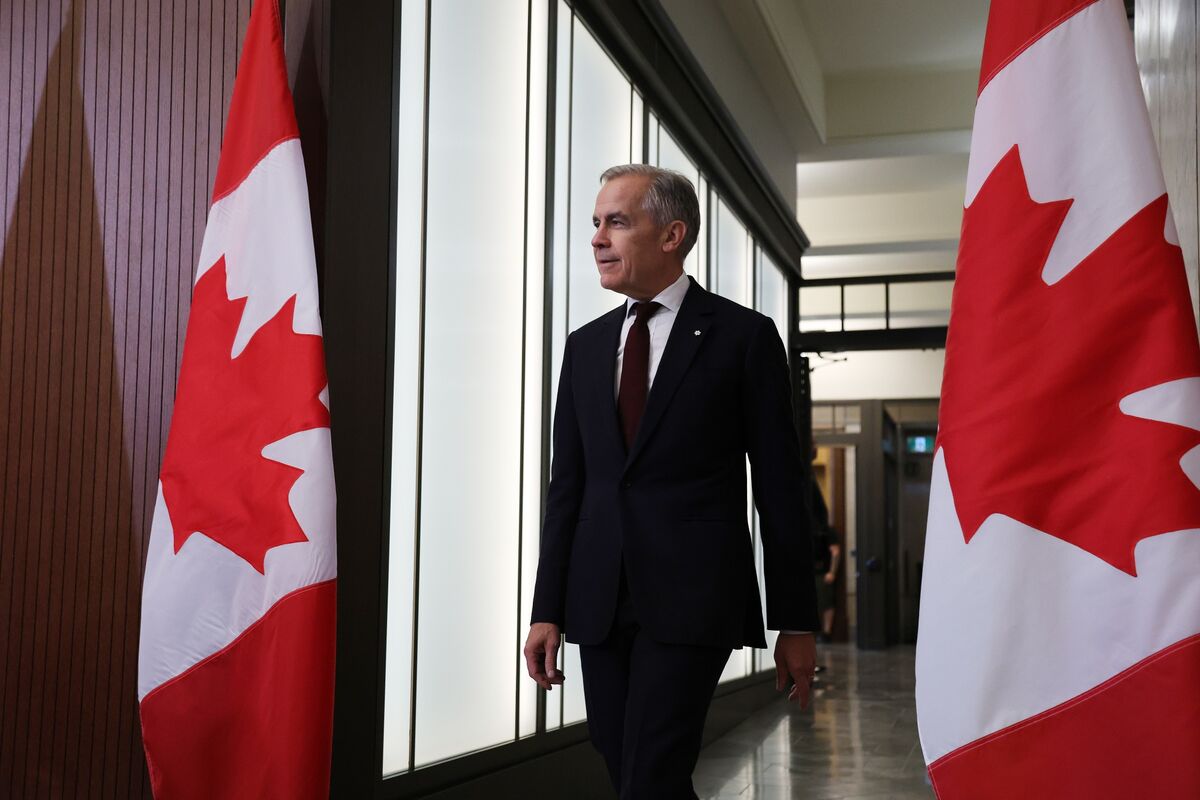
President Trump has threatened a 35% tariff on Canada, a major U.S. trading partner, despite recent efforts to restart trade talks with Prime Minister Mark Carney. This aggressive stance, coming shortly after negotiations resumed with a July 21 agreement target, underscores the persistent trade tensions and the significant challenges Canada faces in navigating U.S. protectionist policies.
The U.S.-Canada trade relationship has entered a period of heightened uncertainty following President Trump's threat to impose a 35% tariff. This development is particularly concerning as it comes just one week after the resumption of trade negotiations with Prime Minister Mark Carney, which had established a target for an agreement by July 21. The timing of this new threat undermines the recent diplomatic progress and signals a highly volatile negotiating strategy from the U.S. administration. The high market impact score of 0.75 underscores the significant economic risk, as a tariff of this magnitude would severely disrupt one of the world's largest and most integrated trading partnerships, directly challenging the efficacy of Canada's current diplomatic approach.
AI-powered research, real-time alerts, and portfolio analytics for institutional investors.
Request DemoOverall Sentiment
strongly negative
Sentiment Score
-0.75
