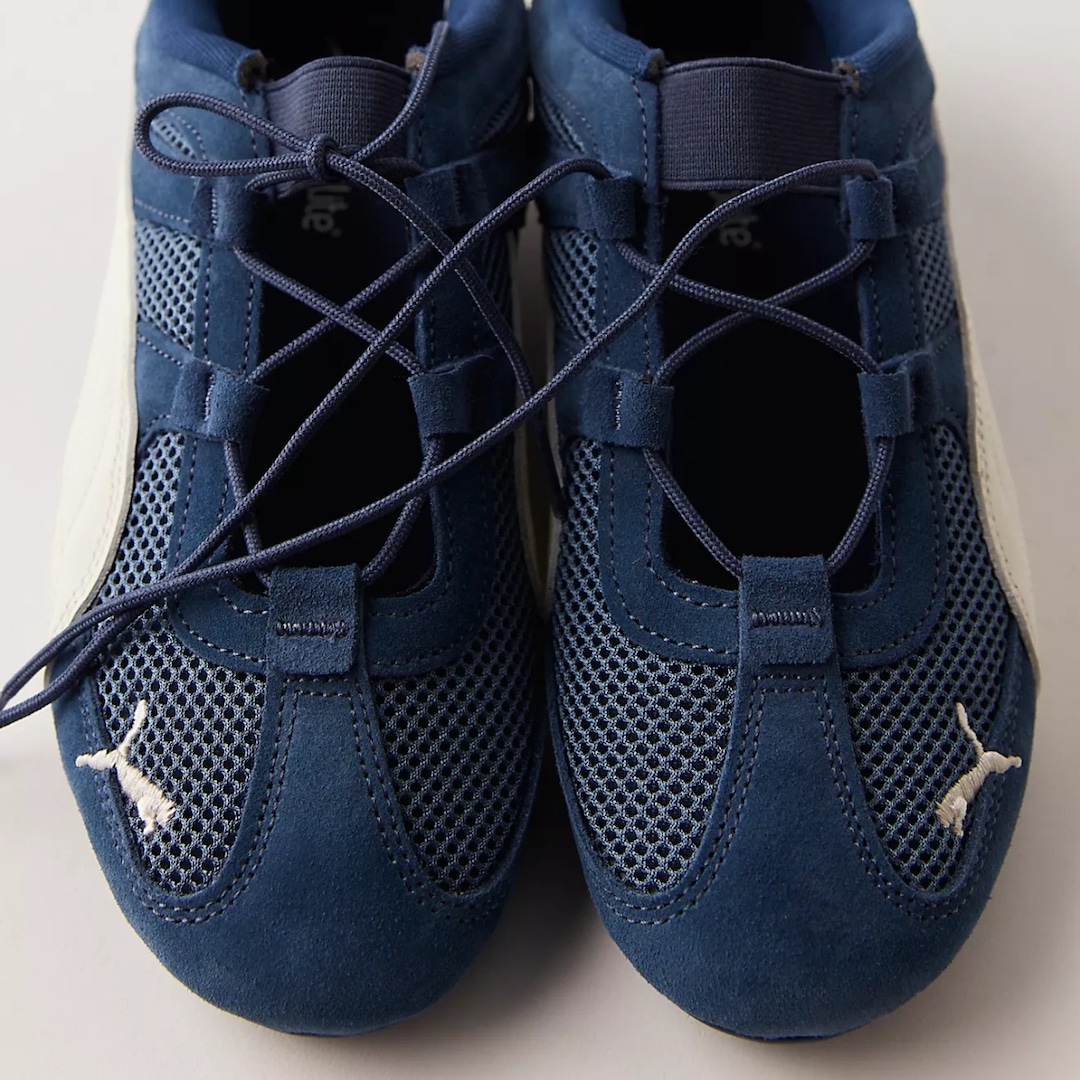
The ballet-sneaker trend has broadened into a mainstream 2026 retail movement, with major players — adidas, Puma, Naturalizer, JW PEI, Keds and several niche brands — releasing high-demand styles that are selling quickly in NYC (adidas models repeatedly sell out; Naturalizer noted at 30% off). For investors, the development suggests near-term sell-through and promotional dynamics to monitor across footwear and athleisure categories, with potential upside to top-line volumes for brands executing popular drops and risk to margins if discounting intensifies. Key signals to watch: inventory levels, sell-through rates, pricing/markdown trends, and whether sustained demand spreads beyond urban fashion hubs.
Market Structure: The immediate winners are branded athletic and heritage footwear makers with broad wholesale and DTC reach—Adidas (ADS.DE), Puma (PUM.DE), and Caleres (CAL) via Naturalizer—able to monetize a sudden “ballet sneaker” premium and replenish sell-outs quickly. Specialty retailers and fast-fashion platforms that can turn inventory in 4–8 weeks will capture share; legacy department stores with slower turns face markdown risk. Pricing power accrues to vertically integrated players; commoditized suppliers/manufacturers may see margin pressure as orders concentrate.
Risk Assessment: Tail risks include rapid trend decay (social cycle 3–6 months) and a consumer-spend pullback that would turn reorders into excess inventory; supply shocks in rubber/leather could raise COGS 3–8% over a quarter. Near-term (days–weeks) risk centers on social-media-driven volatility and sellouts; medium-term (1–3 quarters) on reorder execution and return rates; long-term (1–2 years) on category commoditization. Hidden dependency: outsized reliance on influencer channels and wholesale partners creates single-point demand risk.
Trade Implications: Direct plays: favor ADS.DE and CAL equity exposure for 3–9 months with tactical option overlays to define risk; prefer call spreads 3–6 months to capture the spring seasonality. Pair trade: long niche/well-executing branded names (CAL/ADS.DE) vs short slower-turn retailers (FL/DKS) to exploit inventory/turn differences; trim on 15–25% rallies or after public reorder announcements.
Contrarian Angles: Consensus assumes persistence; it may be a 2–3 quarter fad—buying small brands with weak distribution is a value trap if returns/quality degrade. Historical parallels (micro-fashion sneaker fads) show rapid oversupply and markdowns after initial hype; monitor return rates >8% and wholesale sell-in growth >10% as early signs of commoditization.
AI-powered research, real-time alerts, and portfolio analytics for institutional investors.
Request DemoOverall Sentiment
mildly positive
Sentiment Score
0.30
