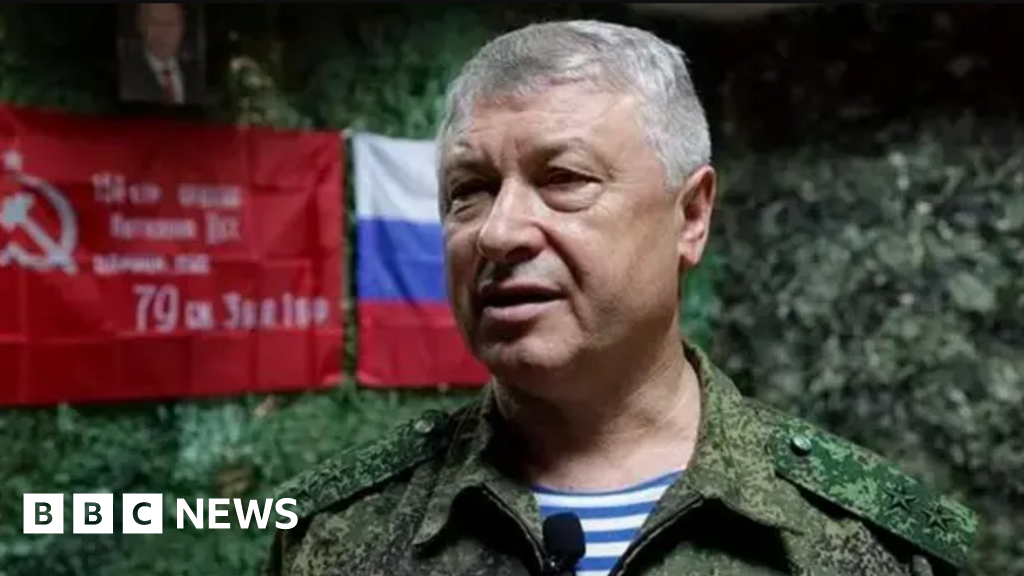
Lt Gen Vladimir Alexeyev, Russia's deputy head of military intelligence (GRU), was shot multiple times in Moscow, underwent successful surgery, has regained consciousness, and is the subject of an attempted-murder criminal case with two suspects detained. Russian officials have blamed Kyiv—denied by Ukraine—while Alexeyev, a sanctioned and high-profile military figure involved in prior negotiations and operations, highlights elevated internal security risks that could complicate Russia-Ukraine talks and sustain geopolitical risk premia. Investors should monitor potential retaliatory actions, shifts in negotiation prospects, and any spillovers to Russian political stability and sanctions-related developments.
Market structure: Immediate winners are defense primes and aerospace ETFs (Lockheed LMT, RTX, Northrop NOC, ITA) which gain pricing power from renewed European/NATO demand; safe-haven assets (GLD, US Treasuries) also benefit. Direct losers are Russian assets (RSX, RUB), Moscow real estate and travel names; energy prices are the key swing factor — a limited Moscow strike/retaliation could push Brent +3–7% within 7–14 days, larger supply disruptions could push it >$120 in 1–3 months.
Risk assessment: Tail risks include full-scale escalation or expanded sanctions that block Russian exports or freeze instruments (low-probability, high-impact) — model stress: Brent shock to $120–140 and a 300–500bp widening in EM sovereign spreads over 3–6 months. Immediate horizon (days): volatility spikes in equities, FX, oil; short-term (weeks): repricing of defense contracts and energy curves; long-term (6–24 months): higher baseline defense budgets and persistent supply-chain reorientation. Hidden dependencies: winter demand, European gas storage, and US diplomatic moves (Miami talks) that can rapidly defuse or amplify market moves.
Trade implications: Tactical plays include small, liquid defense longs (ITA, LMT) sized 1–3% NAV, energy call spreads via XLE or Brent futures for 1–3 month convexity, and 1–2% GLD as risk hedge. Use options to manage tail risk: buy 1-month VIX calls or VXX calls if VIX >20; add to energy exposure if Brent moves >+5% in 48h. Exit/trimming rules: take profit on defense longs at +15% or cut at -8%; close energy calls if Brent fails to sustain >$95 for 10 trading days.
Contrarian angles: Consensus may overestimate sustained escalation — past Moscow-targeted attacks (2018–2023) produced sharp but short-lived commodity/FX moves that mean-reverted in 2–6 weeks absent supply shocks. Mispricings: defense equities can gap down on profit-taking despite fundamentals; opportunistic buys on dips (control risk with options) are preferable to large cash buys. Unintended consequence: market-imposed sanction risk can make Russian short instruments illiquid — size positions accordingly.
AI-powered research, real-time alerts, and portfolio analytics for institutional investors.
Request DemoOverall Sentiment
moderately negative
Sentiment Score
-0.40
