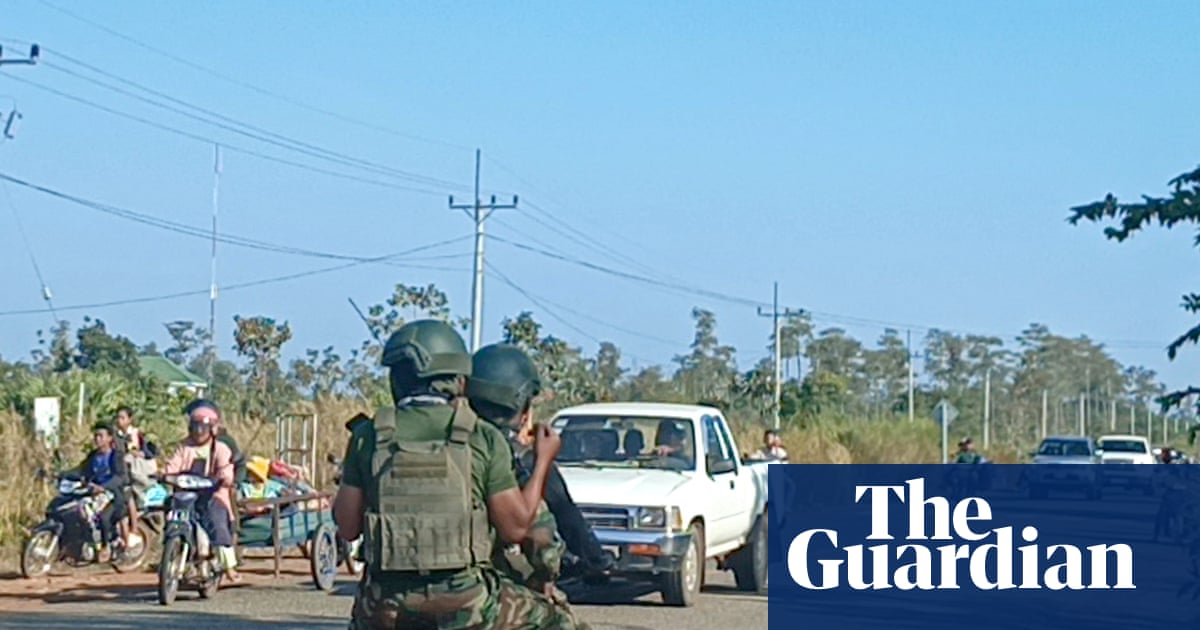
Thai forces launched airstrikes along the disputed Cambodia border after clashes that killed one Thai soldier and wounded four (a second Thai soldier was later declared dead), with Thailand saying it was striking military targets following attacks; Cambodia says Thai forces initiated the assault. Thailand has evacuated villages across four border provinces, with about 35,000 people registered at shelters, and the episode re-ignites tensions after a July five-day war that killed at least 48 and displaced roughly 300,000; both sides blame each other despite a recent ceasefire brokered by Donald Trump. The incident increases regional political and security risk, with potential near-term impacts on local markets, tourism, and defense-related flows.
Market structure: Immediate winners are defense contractors and regional hard-currency safe havens; losers are Thailand/Cambodia border-exposed tourism, local real estate and short-term sovereign debt. Expect Thailand equity-risk premium to rise by 150–300bp in implied local volatility over 2–6 weeks and tourist revenue contraction of 5–15% if hostilities persist beyond a week.
Risk assessment: Tail risks include a multi-day conventional clash (repeat of July scale) causing 200k–300k+ displacements and broader ASEAN risk-off, or diplomatic de-escalation within 7–14 days. Watchlines: THB weakening >2–3% in 7 days or Thai 2–5y yields widening 20–50bp — both would force active hedging; second-order effects include re-routing of freight/insurance costs and tourism bookings collapsing into H1 next quarter.
Trade implications: Short-term (days–weeks) favor USD/THB long vs THB and long gold (safe haven) while buying credit protection on EM sovereigns (EMB hedges) if spreads widen >10bp. Medium-term (1–3 months) allocate to selected large-cap defense names (Lockheed LMT, Northrop NOC, RTX) for a 3–6 month reflation of defense budgets; cut discretionary travel/tourism exposure to Southeast Asia by 20–50% if evacuations rise above 50k.
Contrarian angles: Consensus underestimates rapid diplomatic de-escalation risk — if Hun Sen/Hun Manet signal restraint and US/EU mediation steps in 1–2 weeks, THB and Thai equities may rebound 8–12% from oversold levels. Conversely, markets may over-penalize global travel names; prefer idiosyncratic shorts in Thailand-specific operators rather than broad airline ETF JETS which already prices in global demand recovery.
AI-powered research, real-time alerts, and portfolio analytics for institutional investors.
Request DemoOverall Sentiment
moderately negative
Sentiment Score
-0.60
